


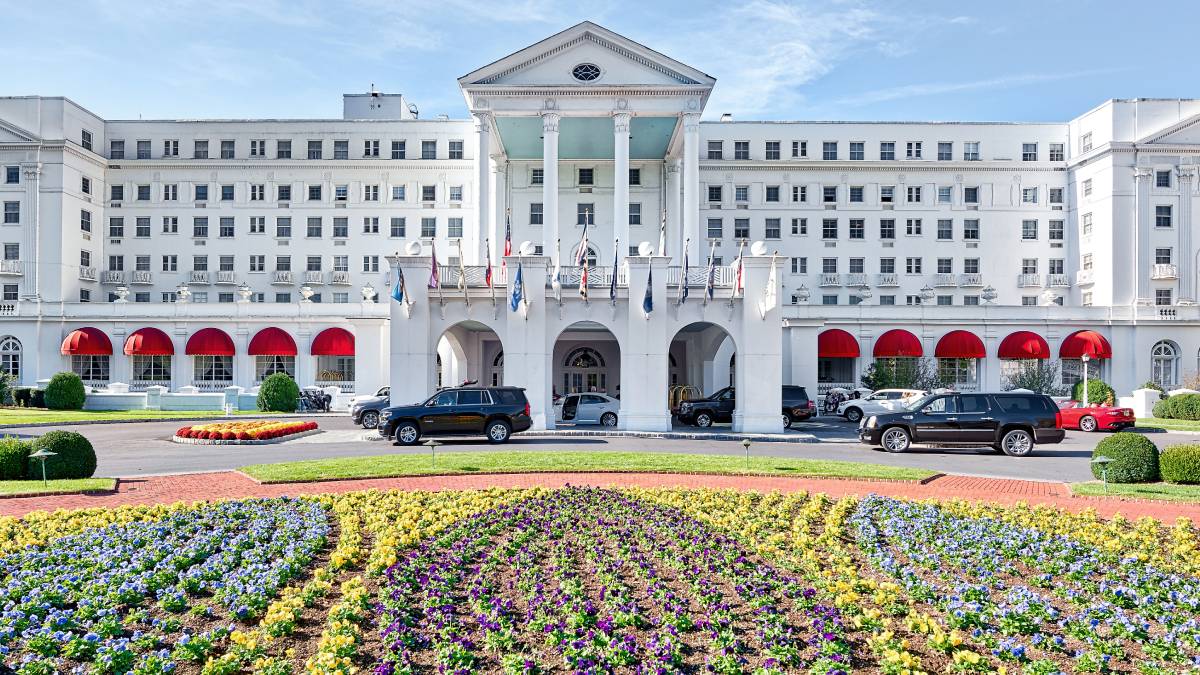
The Greenbrier Resort’s Casino Club in White Sulphur Springs, West Virginia, secured a renewal of its limited gaming facility license just days before it was set to expire. The West Virginia Lottery Commission approved the renewal following an emergency meeting on June 29, after initially holding off due to missing financial documents.
The delay stemmed from a late independent audit, which is required under state law every five years. Regulators briefly voted on June 27 not to renew the license until the audit was submitted, putting the casino’s status in question as the June 30 deadline approached.
Once the audit was delivered, the commission moved quickly to approve the renewal—keeping the casino fully operational without interruption. West Virginia online casinos were not affected.
Increased Oversight Follows Financial Concerns
While the license was ultimately renewed, it comes with new conditions. Regulators now require quarterly financial reporting and ongoing reviews due to concerns flagged in the audit.
Independent auditors identified several issues tied to the broader financial health of The Greenbrier Resort. These included:
- A sharp rise in current liabilities, increasing from about $90 million in 2024 to roughly $260 million in 2025
- Negative working capital estimated at around $240 million
- Delays in financial reporting and turnover within the finance department
espite these concerns, the casino itself remains profitable. In 2025, it generated approximately $15 million in revenue against $7.8 million in expenses, resulting in about $6.9 million in net income.
Broader Resort Finances Raise Red Flags
The financial pressure appears more pronounced at the resort level. The Greenbrier reported around $158 million in total revenue for 2025, with just over $9 million in net income—a decline from previous years.
Auditors and regulators also pointed to a complex debt structure tied to entities owned by West Virginia Governor Jim Justice and his family. Intercompany loans between related entities have grown, adding another layer of financial risk.
Key concerns include:
- Heavy reliance on large private loans rather than diversified financing
- Repeated loan extensions and forbearance agreements
- Ongoing litigation tied to debt obligations and asset valuations
Debt Disputes and Refinancing Efforts
Much of the resort’s recent financial strain is linked to a large debt package—valued at roughly $289 million to $300 million—that was originally held by Carter Bank & Trust. In early 2026, that debt was sold to White Sulphur Springs Holdings, an affiliate of Omni Hotels & Resorts’ parent company.
The new lender has taken legal action to recover funds, including attempts to place the property into receivership. Meanwhile, the Justice family has challenged those claims and is pursuing a $500 million refinancing deal aimed at stabilizing operations and funding upgrades.
That refinancing effort remains ongoing and could play a major role in the resort’s financial future.

What This Means for Casino Operations
For players and visitors, the key takeaway is simple: the Greenbrier Casino Club remains open and operating as usual.
The property offers table games, slot machines, and sports betting through FanDuel, though access is limited to overnight guests and select members.
The license renewal is part of a standard five-year cycle required by the West Virginia Lottery. However, the added reporting requirements show that regulators are taking a closer look at the resort’s financial position.
Outlook: Stable for Now, But Under Watch
Although the resort faces financial challenges, it still holds significant assets—reportedly exceeding $500 million across related entities. That asset base helped support the license renewal, even with liquidity concerns.
The new quarterly reporting requirement signals a cautious approach from regulators rather than an immediate threat to operations. However, the outcome of ongoing litigation and refinancing efforts will likely shape the long-term outlook.
For now, the Greenbrier Casino Club continues business as usual—just with more eyes on its financials.


