


We told you this might happen.
The 2026 World Cup did more than crown a champion—it changed how people bet on sports.
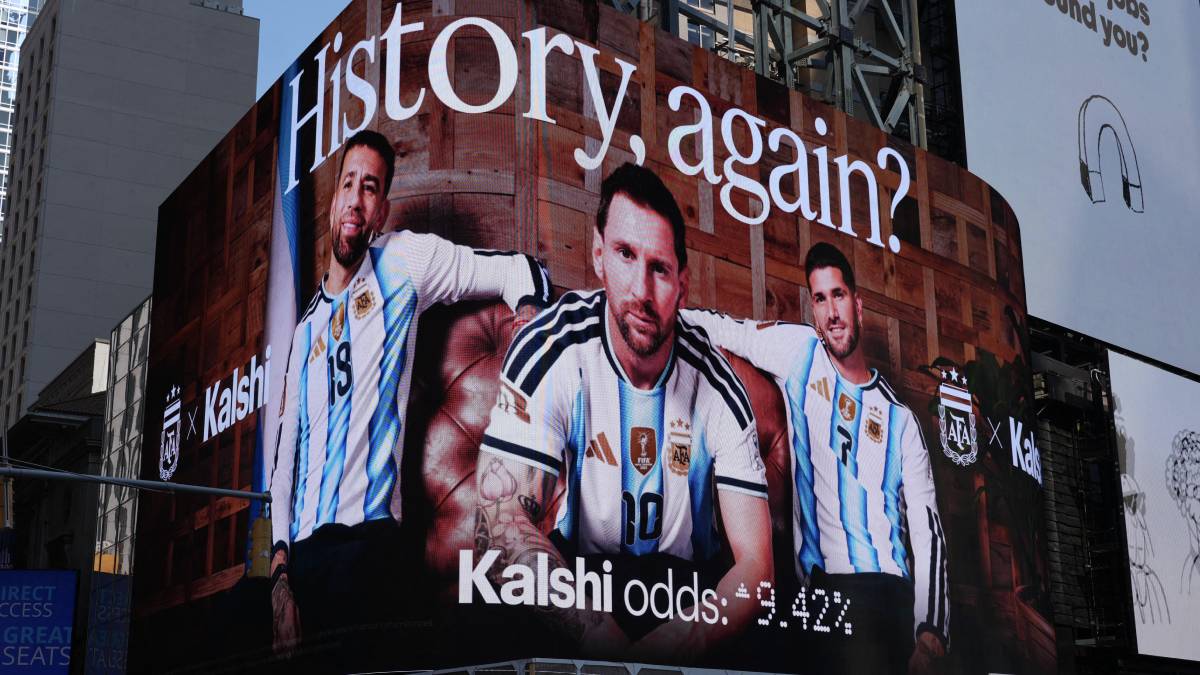
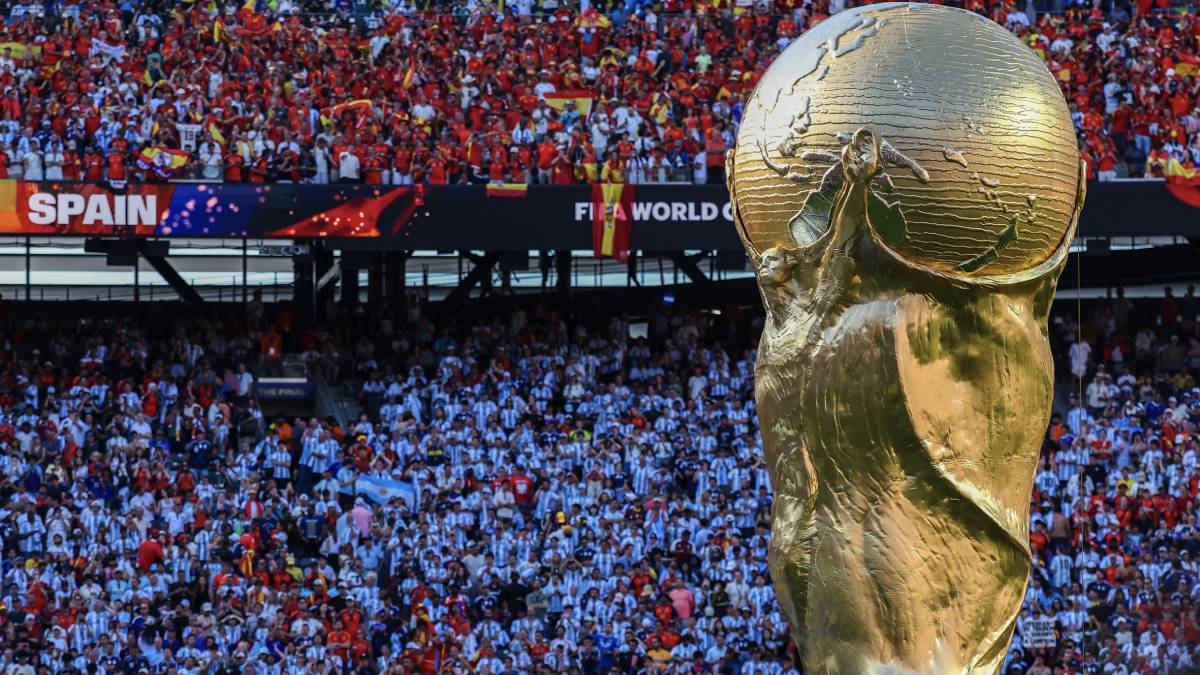
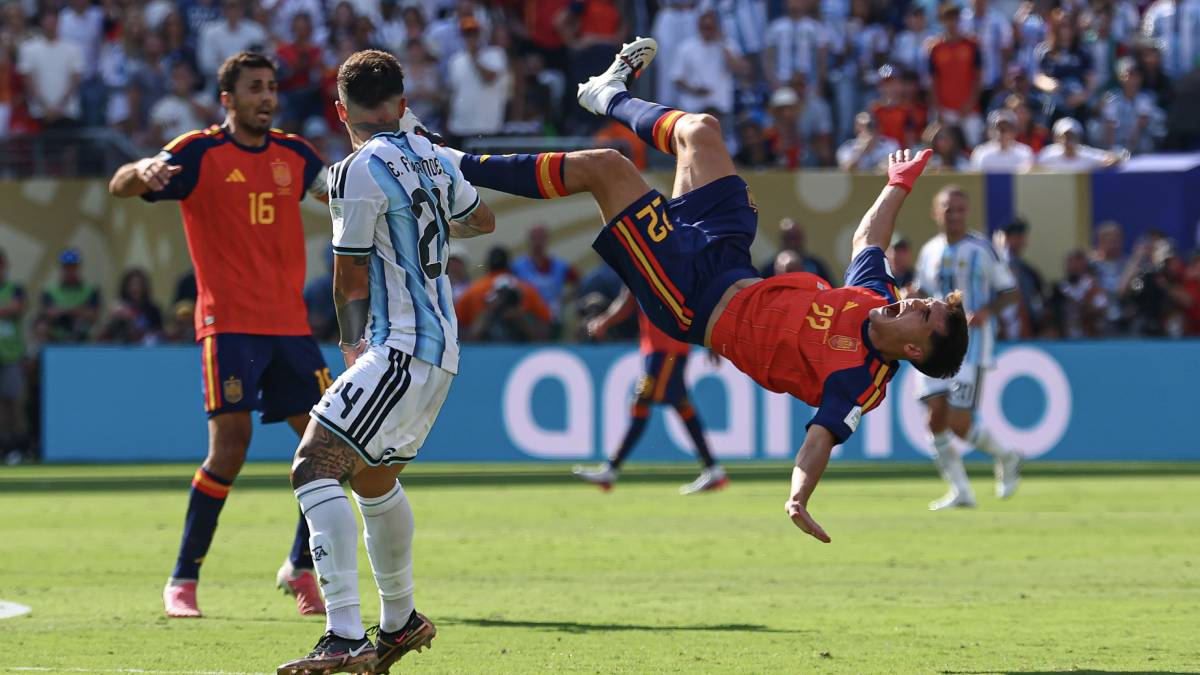
Spain’s 1-0 win over Argentina in extra time closed out one of the most-watched tournaments ever. But behind the scenes, a new kind of betting platform was making headlines. Prediction markets like Kalshi and Polymarket saw explosive growth, challenging traditional sportsbooks during the World Cup.
In fact, it blew some projections out of the water.

Prediction Markets Surge During the World Cup
During the World Cup, prediction markets quickly gained ground in the U.S. betting space. According to H2 Gambling Capital, these platforms handled about 27% of U.S. legal betting tied to the tournament. That number jumped from just 9% earlier in 2026.
Platforms like Fanatics and ADI Predictstreet joined forces during the matches to make it easier for fans in the U.S. to access the markets. Meanwhile, Caesars expanded its betting menu to include World Cup options.
This shift shows how fast the industry is changing. While sportsbooks like DraftKings and FanDuel still dominate, prediction markets are no longer a small niche.
Record-Breaking Betting Volume
The World Cup helped drive huge activity across prediction platforms:
- Kalshi recorded over $12 billion in total World Cup trading volume.
- Its “World Cup winner” market alone passed $1.2 billion.
- The platform added around 3 million new users during the tournament.
- Polymarket saw billions in trading volume, with some estimates placing its World Cup markets above $4 billion.
- The Spain vs. Argentina final generated more than $5.6 billion in bets across major platforms.
These numbers highlight how global events like the World Cup can drive massive engagement across new betting models.
Why the World Cup Boosted Prediction Markets
Several factors made the World Cup the perfect event for growth:
- A larger 48-team format increased global interest and betting options.
- Prediction markets offered more flexible contracts, including player props and awards.
- Availability in more regions gave them an edge over restricted sportsbooks.
Real-time pricing attracted users looking for fast-moving odds.
For example, instead of placing a traditional bet, users could trade contracts on outcomes like “Will a player win the Golden Boot?” or “Will a team reach the semifinals?”
Sportsbooks Still Hold Strong
Even with the rise of prediction markets, traditional sportsbooks remain a major force.
Early estimates suggest U.S. sportsbooks handled between $2.8 billion and $4.3 billion during the World Cup. Globally, legal betting could reach around $60 billion.
However, final numbers are still being reported. Sportsbooks usually take longer to release full data after major events like the World Cup.
Why the Numbers Are Hard to Compare
One key issue is how betting activity is measured.
Prediction markets report trading volume, which includes buying and selling contracts. Sportsbooks report handle, which is the total amount wagered.
These systems track different things, so direct comparisons are not always exact.
What This Means for the Future
The 2026 World Cup may be remembered as a turning point for sports betting.
Prediction markets proved they can handle large-scale events and attract millions of users. Analysts now see them as a serious competitor in the U.S. market, especially for major events like the World Cup, NFL season, and elections.
At the same time, sportsbooks are unlikely to stand still. Many could adapt by adding similar features or expanding their own betting options.
For now, one thing is clear: the World Cup didn’t just deliver action on the field—it reshaped how fans engage with sports betting.


