


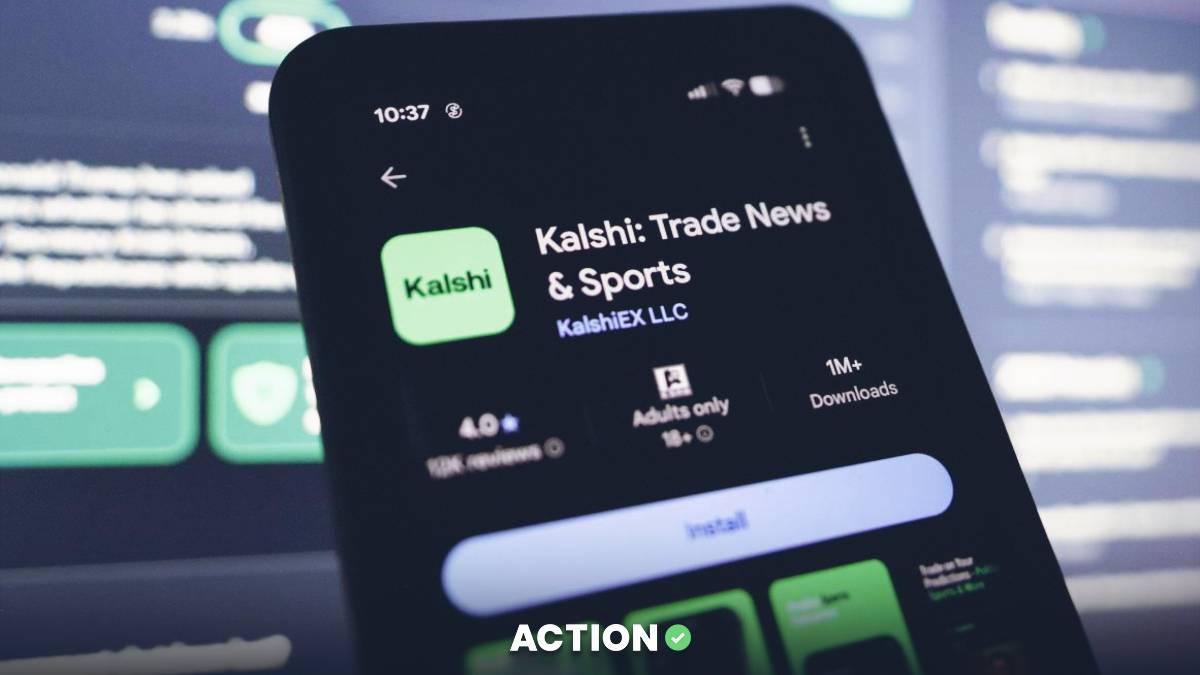
Kalshi trading volume reached new heights in June (2026).
The company is setting records, as the FIFA World Cup is driving massive interest in prediction markets. The surge highlights how platforms like Kalshi are becoming a major force in both financial trading and sports-related speculation.
Recent Kalshi news shows that the platform recorded nearly $9.4 billion in trading volume in June, up sharply from $5.3 billion in May. Even more notable, total notional volume exceeded $31 billion, with daily activity consistently topping $1 billion during the World Cup.
This marks the highest monthly performance in Kalshi’s history and signals growing demand for event-based trading. The news also comes in the wake of the company's announcement that it was joining forces with ADI Predictstreet to strengthen its presence during the World Cup.
World Cup Drives Kalshi Betting Boom
The 2026 FIFA World Cup has been the main driver behind this surge in Kalshi betting volume. Hosted across the United States, Canada, and Mexico, the tournament began on June 11 and introduced a new 48-team format.
Even before the tournament started, it was shaping up to be one of the biggest betting events in U.S. history.
This expansion increased the total number of matches to 104, creating more betting opportunities and attracting a wider audience.
Knockout rounds, especially the Round of 16, generated the most activity. For example:
- Canada vs. Morocco drew over $48 million in volume on Kalshi.
- The same match saw $26.8 million traded on Polymarket.
- U.S. advancement markets also generated millions in trades.
In addition to having more matches to bet on, some online sportsbooks like Caesars Palace have been offering expanded menus for bettors. These numbers show how major sporting events can rapidly increase liquidity in prediction markets.

What is Kalshi?
Kalshi operates as a CFTC-regulated exchange in the United States, known as a prediction market, offering users the ability to trade event contracts. These contracts are simple:
- Traders buy “yes” or “no” positions on real-world outcomes.
- Prices reflect the probability of an event happening.
- Users can exit positions before the event concludes.
This structure makes Kalshi betting similar to trading binary options or derivatives, rather than traditional sports betting.
One key advantage is flexibility. Unlike standard sportsbooks, users can trade in and out of positions as odds change in real time.
Polymarket Also Sees Big Growth
At the same time, Polymarket International also saw strong growth, climbing to about $4.3 billion in monthly volume. The company was recently caught in a scandal. A Wall Street Journal investigation revealed the company was using misleading information in its advertisements.
Dozens of social media influencers were paid to promote fake betting wins using lookalike websites.
Regulatory Challenges in the U.S. and Europe
Despite its growth, Kalshi betting remains at the center of ongoing regulatory debates. Some question whether prediction markets are beginning to resemble online gambling more than legitimate financial tools.
In the United States, several states have attempted to restrict or ban prediction markets. However, the Commodity Futures Trading Commission (CFTC) argues that these platforms fall under federal jurisdiction.
CFTC Chair Michael Selig has stated that state-level actions may be illegal and confirmed that the agency is prepared to defend its authority in court.
Meanwhile, industry groups—including casinos and tribal operators—are pushing for new laws that would place sports-related contracts under state gambling control.
In Europe, regulators are also taking a closer look. The European Securities and Markets Authority (ESMA) has warned that many event contracts resemble binary options, which are restricted for retail investors in several countries.

What This Means for the Future of Prediction Markets
The recent surge in Kalshi betting shows how prediction markets are evolving into a hybrid of finance and sports betting. Combined, prediction markets reached an estimated $44.8 billion in total trading activity across major platforms.
Key benefits include:
- Efficient price discovery based on crowd sentiment.
- Opportunities for hedging and speculation.
- High liquidity during major global events.

However, risks remain:
- Ongoing regulatory uncertainty.
- Potential concerns around market manipulation.
- High volatility tied to live events.
It is also important to note that large volume figures often include notional trading, which reflects turnover rather than new capital entering the market.
Why This Kalshi News Matters Right Now
This wave of strong Kalshi news signals a turning point for prediction markets. The combination of World Cup excitement, rising user participation, and regulatory battles is shaping the future of the industry.
If current trends continue, platforms like Kalshi could become a mainstream alternative to traditional sports betting—especially if clear regulatory frameworks are established.


