


There is a renewed push to make sure the Big Beautiful Bill gambling tax never comes to fruition.
The One Big Beautiful Bill Act (OBBBA) is a new law set to start on January 1, 2026, that will change how the gambling industry works. This law is not about luck or skill in games, but it will affect how much money gamblers take home.
The OBBBA says gamblers can only subtract 90% of their losses from their winnings when paying taxes. This could mean people pay taxes on money they didn't actually win, making their finances look better than they are, even if they don’t make a profit. It could also cost casino operators, too.
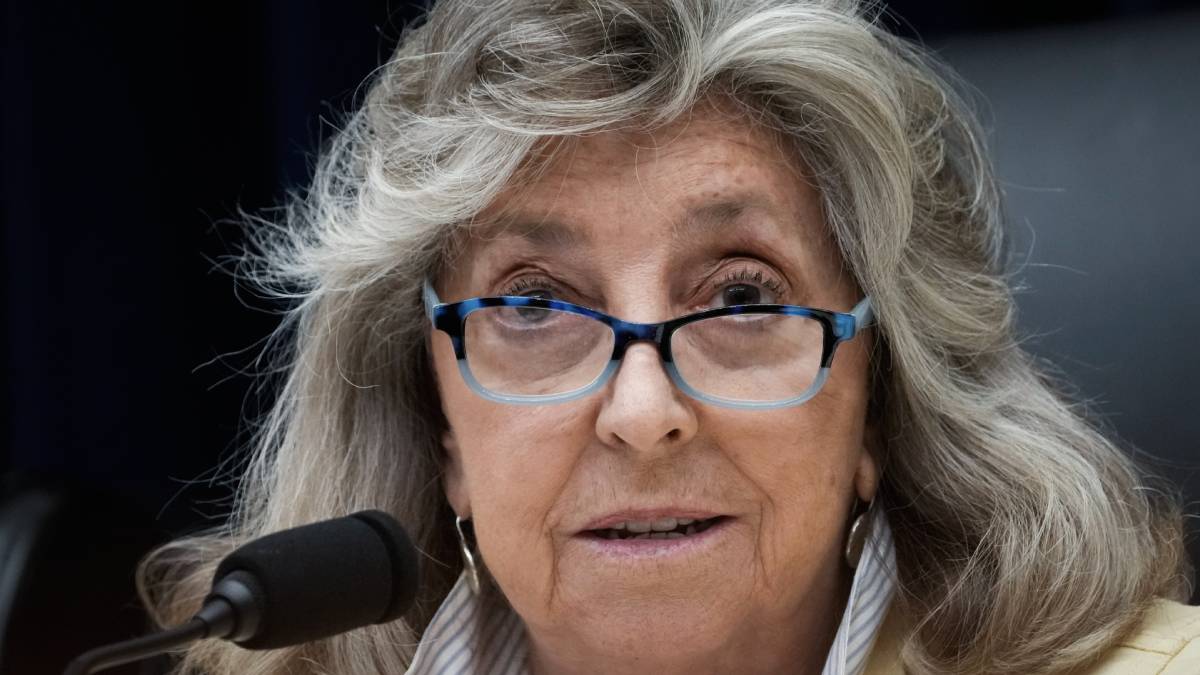
To address these issues, Nevada Representative Dina Titus is supporting the FAIR BET Act.
The FAIR BET Act aims to allow gamblers to deduct all their losses up to the amount they win, removing the issue of paying taxes on “phantom income”. However, this act is still waiting for approval in the House Ways and Means Committee.
If no action is taken, the OBBBA rules will stay, making tax bills higher for gamblers.

Reversing the Big Beautiful Bill Gambling Tax Rule
Introduced by Representative Titus in July, the FAIR BET Act, also known as H.R. 4304, was swiftly sent to the House Committee on Ways and Means, which oversees tax legislation. This bill proposes to revert the deduction of gambling losses to 100%, as was previously allowed before the OBBBA changed the rules in 2025.
As of the latest update on Congress.gov, the bill remains in the “Introduced” stage, with no committee discussions or votes in the House or Senate.
The Winnings And Gains Expense Restoration Act of 2025 (WAGER Act), sponsored by Kentucky Congressman Andy Barr, would also reverse the Big Beautiful Bill gambling tax change.
The FULL HOUSE Act, which was introduced by Sen. Catherine Cortez Masto (D-NV), likewise proposes reversing the cap.
Despite these efforts, the bills have yet to gain significant traction.
The Importance of Changing the Gambling Tax Rule
The OBBBA’s rule that only lets gamblers deduct 90% of their losses is a big problem for those who gamble frequently, especially professional gamblers. They might end up paying taxes even when they don’t turn a profit, which can make gambling far more challenging financially.
This rule is particularly tough for professionals who handle large volumes of money, since they could be taxed on income they never actually won. As a result, some gamblers might consider taking their play outside the U.S. or turning to unregulated markets where U.S. tax laws don’t apply.
The American Gaming Association and other industry groups support the FAIR BET Act because they believe the current rules are unfair. They argue that restoring the full deduction of gambling losses would create a more reasonable and equitable system.
Several professional gamblers have also publicly opposed the Big Beautiful Bill gambling tax change.
Will the Big Beautiful Bill Gambling Tax Be Amended?
Those in the gambling sector are closely monitoring the situation, hopeful for legislative changes before they file their 2026 taxes. The outcome of the Big Beautiful Bill gambling tax could significantly influence how gamblers approach their activities and manage their tax responsibilities moving forward.
Lawmakers are under growing pressure to act before year-end to ease the tax burden on players. For now, the 90% rule remains in place, with all eyes on the House Ways and Means Committee for any movement.
Representative Titus’s efforts highlight the complexities embedded in tax laws that determine gamblers’ true earnings. The resolution of this legislative debate will be pivotal, watched closely not only by those within the gambling industry but also by broader financial and regulatory circles.


