


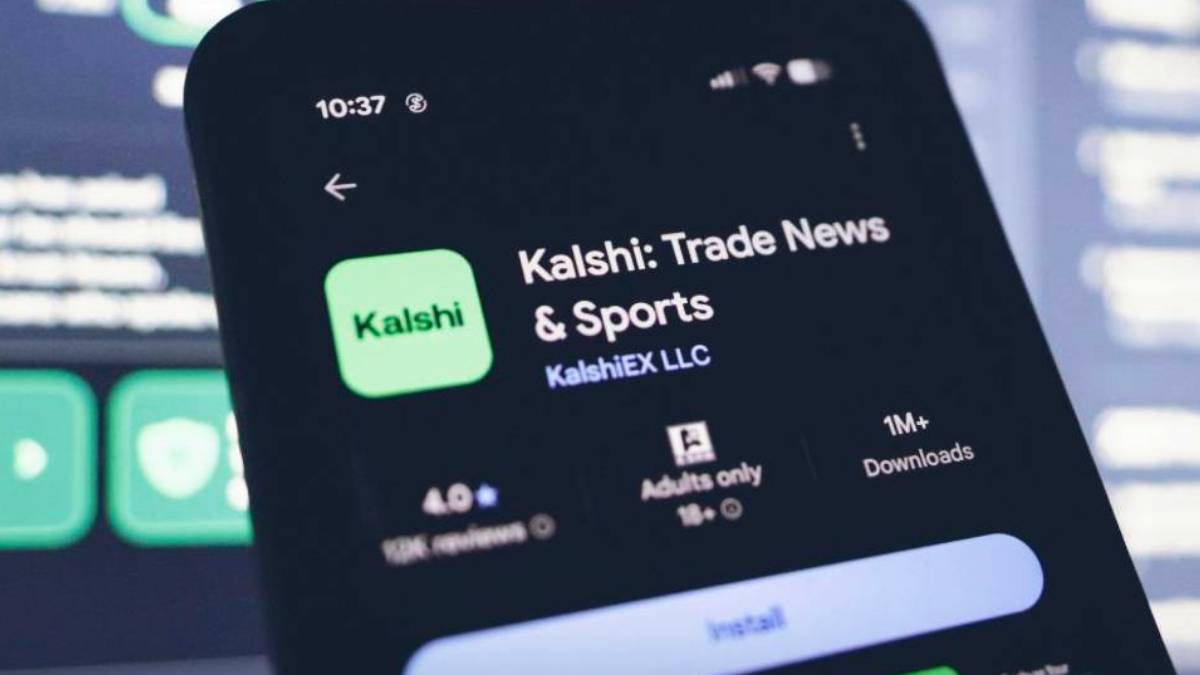
Kalshi’s bid to pause Utah’s gambling enforcement while its appeal continues has been denied.
The U.S. Court of Appeals for the 10th Circuit turned down the prediction market operator’s emergency motion for an injunction pending appeal, leaving Utah free to pursue civil or criminal action against Kalshi as the underlying preemption appeal moves forward.
The announcement comes on the heels of the news that the prediction market app has partnered with five MLB teams.
What Happened in The Kalshi Utah Case?
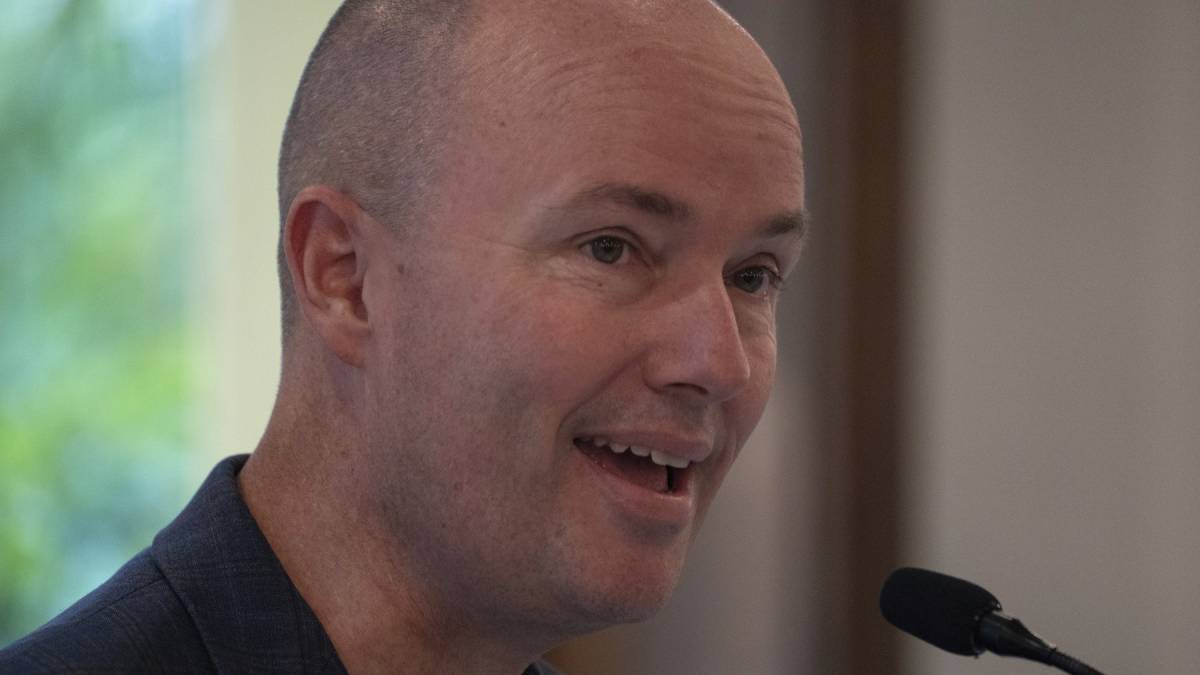
Kalshi is a CFTC-regulated designated contract market offering event contracts (including sports-related “yes/no” contracts), filed a preemptive federal lawsuit in February 2026 against Utah officials, including Governor Spencer J. Cox and Attorney General Derek Brown. The company asked a federal judge to declare that the Commodity Exchange Act (CEA) preempts Utah’s anti-gambling laws as applied to its sports event contracts and to block state enforcement.
Last month, U.S. District Judge Robert J. Shelby granted Utah’s motion for summary judgment, denied Kalshi’s preliminary injunction as moot, and closed the case.
Shelby held that the CEA does not preempt Utah from enforcing its gambling prohibitions against Kalshi’s sports contracts, reasoning that gambling is a traditional area of state regulation and that it would be implausible to read the CEA as forcing states to allow access to contracts that constitute gambling under state law.
Kalshi immediately appealed to the 10th Circuit and then sought emergency relief to stop enforcement during the appeal. The 10th Circuit’s September 8 denial means Utah can proceed with enforcement under its gambling laws while the merits appeal continues.
Why The 10th Circuit Denied Kalshi’s Emergency Motion
To win an injunction pending appeal, Kalshi needed to show several things, including:
- That it was likely to succeed on the merits
- That it would suffer irreparable harm without the injunction
- That Utah would not be significantly harmed if the injunction were granted
- That the public interest favored a stay
The 10th Circuit concluded Kalshi had not met that burden.
In its order, the court wrote: “Kalshi has not shown these factors weigh in its favor. Accordingly, we deny its motion.” The decision is procedural; it does not resolve the core legal question of whether federal law preempts Utah’s gambling statutes, but it removes the temporary shield Kalshi sought against state action.

What This Means for Kalshi Users in Utah
Utah maintains one of the strictest anti-gambling regimes in the country.
The Beehive State enforces a constitutional and statutory ban that can make offering online gambling a third-degree felony. In 2026, the state also passed H.B. 243 to clarify that certain proposition-style betting falls under its gambling prohibitions.
With the emergency injunction denied, Utah officials may now bring civil or criminal enforcement actions against Kalshi and its sports event contracts if they choose. For Utah residents, that increases the risk that Kalshi could be forced to geolocate and block access to sports event contracts in the state, depending on how aggressively the state moves during the appeal.
Kalshi, Utah and the Broader Prediction Market Legal Fight
The Utah setback is part of a wider wave of litigation pitting prediction market operators—especially Kalshi—against multiple states over who gets to regulate sports-related event contracts.
States (like Michigan) argue these products are unlicensed gambling subject to state law; Kalshi argues that, as a CFTC-regulated exchange offering swaps/event contracts under the CEA, it falls under exclusive or preemptive federal jurisdiction. New Mexico tribes also filed a lawsuit.
Outcomes have varied by court and circuit:
- Ninth Circuit (Nevada): On August 28, a unanimous panel ruled against Kalshi, holding its sports event contracts are sports gambling, not “swaps,” and that the CEA does not likely preempt Nevada gaming regulation.
- Third Circuit (New Jersey): In April 2026, the Third Circuit ruled for Kalshi on preemption, creating a split with the Ninth Circuit that New Jersey has asked the Supreme Court to resolve.
- District courts: Judges in Utah, the Southern District of New York, and Washington have sided with regulators at the district level, while other courts have been more favorable to Kalshi’s preemption arguments.
Utah Attorney General Derek Brown has framed the district court win as rejecting any attempt to “rebrand illegal gambling as a federal commodity,” and the 10th Circuit’s denial reinforces the state’s leverage while the appeal continues.


