


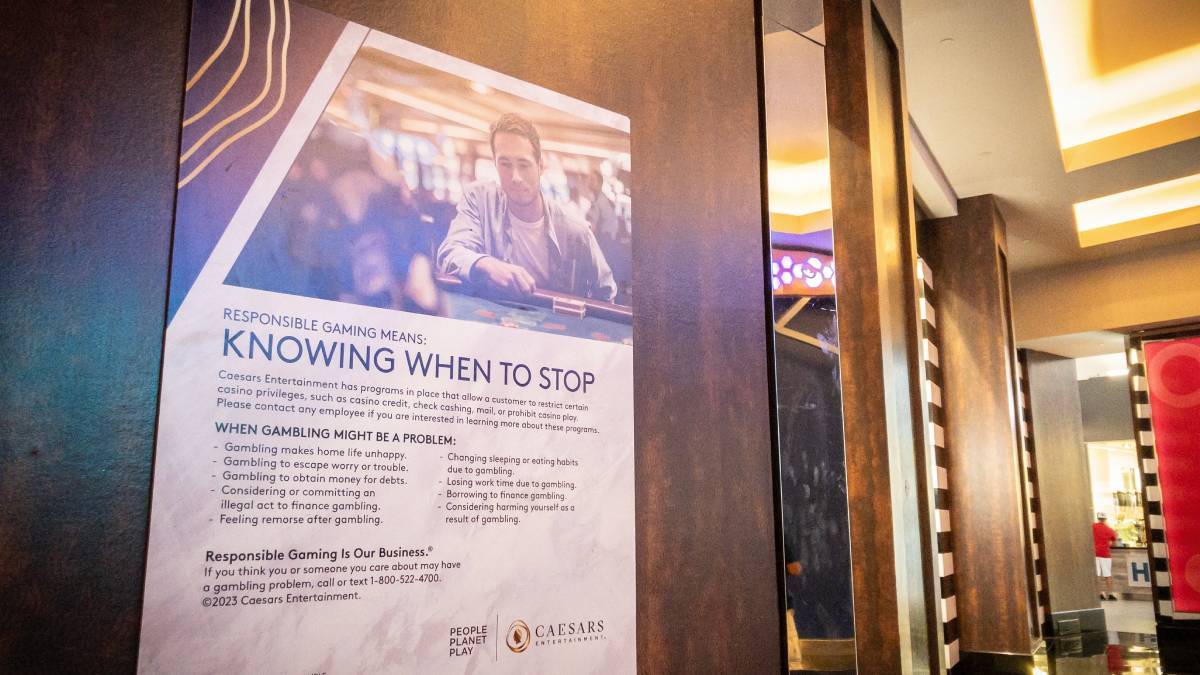
September is Responsible Gambling Education Month.
And a new U.S. News & World Report survey of 1,200 Americans who had placed a sports bet in the prior year found that 51% had bet in an attempt to pay household expenses. Even more concerning, 21% said they had placed wagers hoping to cover rent or mortgage payments.
Those numbers point to a troubling reality. When someone turns to betting to solve a cash-flow problem, the result can be more financial stress, not less. It's one of the biggest sports betting mistakes to avoid.
Why? Because sports wagering is uncertain by design. It is not a dependable source of income, and losses can quickly create or worsen gambling debt.

Why Sports Betting Debt Can Escalate Quickly
Sports betting debt does not always start with a large loss. It may begin with a few small wagers, a credit-card charge, or money borrowed from a friend. But the pressure can increase when a person believes the next bet will make up for previous losses.
This pattern is often called “chasing losses.” A bettor loses money, feels pressure to recover it, and places another wager. If that wager also loses, the person may feel even more desperate to keep betting. Over time, this can lead to missed bills, borrowed money, high-interest loans, and strained relationships.
The U.S. News survey found that 19% of respondents reported having debt connected to sports betting. While that figure was lower than the previous year’s survey, the problem remained especially serious among people who bet every day. Forty percent of daily bettors said they had sports-betting-related debt.
For many households, even debt below $1,000 can be difficult to manage. A few hundred dollars may represent groceries, a utility payment, a car repair, medication, or part of the month’s rent. When money set aside for essentials is used for gambling, the financial consequences can spread quickly.

Borrowing to Gamble Raises the Stakes
One of the strongest warning signs in the survey was the number of people who said they had borrowed money in order to bet. Nearly 45% of respondents said they had borrowed funds for sports wagering.
That borrowing took several forms:
- Thirteen percent said they had taken out personal loans to place bets.
- Eleven percent said they had used payday loans, which often carry very high interest rates.
- Others may have used credit cards, cash advances, money from family members, or money intended for other expenses.
Using borrowed money to gamble can turn a losing wager into a larger financial problem. A bet may be over in a few hours, but the loan payment, interest, and late fees can last for months or longer.
Payday loans can be especially risky because their costs can add up quickly. If a person cannot repay the balance on time, they may roll over the loan or take out another one. That can create a cycle where gambling debt and loan debt feed into each other.
Betting to Pay Bills Is a High-Risk Strategy
It is understandable that people under financial pressure may look for a fast solution. Rising costs, housing payments, credit-card balances, and other household expenses can make quick money seem appealing.
Still, betting to pay bills is not a financial plan. Sportsbooks build their business around odds that give the operator an advantage over time. While an individual bettor can win a single wager or have a short winning streak, regular gambling is statistically unfavorable as a way to earn money.
The survey results show that many bettors recognize some risk. About 22% said they worried they could not control their gambling. Among that group, nearly half said they had sports-betting-related debt.
That connection matters. Feeling unable to stop, betting more often than planned, hiding wagers, or using money meant for necessities can all be signs that gambling is no longer simply entertainment.

Frequent Betting May Increase Financial Pressure
The U.S. News survey found that sports betting was a regular habit for many participants:
- 57% said they placed bets at least once a week.
- 17% said they bet every day.
- About 50% said their typical wager was less than $25.
A $10 or $20 bet may seem harmless by itself. However, frequent wagers can add up. For example, someone who bets $20 per day spends roughly $600 in wagers over a 30-day month. The actual amount lost will vary, but repeated betting creates repeated exposure to losses.
Daily bettors may also be more likely to make impulsive decisions. In-play betting, same-game parlays, promotional offers, and constant access through mobile apps can make it easy to place another wager within minutes. That convenience can make it harder for a person who is already struggling to pause and reassess.
Higher-income bettors in the survey generally reported betting more frequently and placing larger wagers. But gambling debt can affect people at any income level. A person’s financial risk depends not only on income, but also on savings, fixed bills, existing debt, betting frequency, and whether gambling money is being borrowed.
The Personal Cost of Gambling Debt
The impact of gambling debt is not limited to bank accounts. Financial stress can affect sleep, mental health, work performance, and family relationships.
Some survey participants described regret after losing money that had been intended for family needs. Others reported tension with partners or relatives. In some cases, people may hide betting activity because they are embarrassed or afraid of conflict. That secrecy can make the problem harder to address.
Not every bettor experiences negative consequences. Some people view occasional wagering as a social activity and keep it within a set entertainment budget. The key difference is control. Gambling becomes more dangerous when it starts replacing savings, taking money from necessities, or becoming a way to escape financial problems.
What to Do If Gambling Debt Is Building
If sports betting or gambling debt is starting to feel unmanageable, taking action early can help limit the damage. Consider these practical steps:
- Stop using credit cards, loans, or borrowed money for gambling.
- Review bank and betting-account activity to understand the full amount spent.
- Create a basic list of bills, income, debts, and due dates.
- Remove saved payment methods from betting apps.
- Set deposit, spending, time, or wager limits where those tools are available.
- Consider self-exclusion or account cooling-off options if stepping back feels difficult.
- Speak honestly with a trusted family member, friend, financial counselor, or mental-health professional.
- Contact creditors early if you expect to miss a payment; many may offer hardship options or payment arrangements.
- Seek specialized gambling-support services if gambling feels difficult to control.
The goal is not shame. Gambling debt can be stressful and isolating, but it is a financial and behavioral problem that can be addressed with support, boundaries, and a realistic repayment plan.

A Better Way to Think About Sports Betting
Sports betting should never be treated as a solution for rent, mortgage payments, groceries, debt, or other essential expenses. If someone chooses to wager, it is safest to view it as entertainment only and to use money they can afford to lose without affecting their household budget.
Before placing a bet, it can help to ask a simple question: “If I lose this money today, will it affect my ability to pay for something important?” If the answer is yes, the safest choice is not to bet.
The findings from the 2026 U.S. News survey show that sports betting debt remains a meaningful issue even as the reported rate of betting-related debt declined from the prior year. The fact that many respondents said they had gambled to pay bills or borrowed money to wager suggests that financial pressure is pushing some people toward a risky form of problem-solving.
For people facing gambling debt, the most important step is to stop looking for one big win to fix the problem. Lasting improvement usually comes from reducing access to betting, protecting essential income, confronting the debt directly, and asking for help.
Responsible Gambling Resources from Action Network
Action Network provides responsible gambling resources and tools intended to help users keep betting within personal limits.
These may include educational information about responsible play, reminders to treat betting as entertainment rather than income, and guidance on using sportsbook tools such as deposit limits, time limits, cooling-off periods, and self-exclusion. Anyone who feels that sports betting is affecting their finances, relationships, or well-being should consider taking a break from wagering and seeking support from a qualified gambling-help resource.


