


September is recognized across the United States as Responsible Gambling Education Month, an annual awareness initiative focused on helping people make informed decisions about gambling.
Led by the American Gaming Association (AGA), the campaign encourages operators, regulators, employees and consumers to treat gambling as entertainment, understand available safeguards and know where to seek support when needed.
The 2026 observance marks the 28th year of the initiative, which began in 1998 as Responsible Gaming Education Week. It expanded into a month-long campaign in 2022, giving the industry more time to address consumer education, employee training, sports betting, technology and player-protection practices.

Why Responsible Gambling Education Matters
According to the AGA, 9 out of 10 Americans find casino gambling acceptable for themselves or others.
Not only that, but legal gambling options have expanded significantly in the United States, especially since the Supreme Court’s 2018 decision opened the door for states to authorize sports betting. That expansion has made education and practical safeguards more important for people who bet on sports, play casino games or participate in other forms of legal gambling.
Responsible Gambling Education Month is designed to reinforce a simple idea: gambling should remain a form of recreation, not a financial strategy. Players can make more informed choices by learning game rules and odds, deciding how much they are comfortable spending before they play, and avoiding the urge to recover prior losses through additional bets.
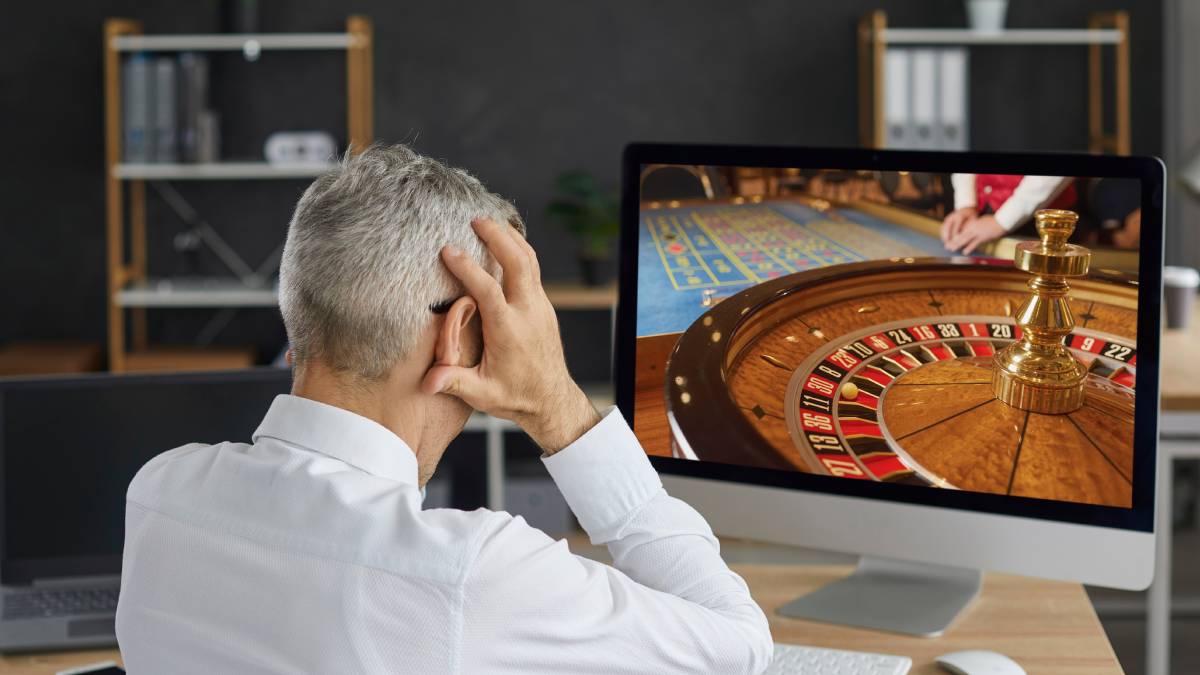
Responsible Gambling Guidelines for Sports Bettors and Casino Players
Several responsible gambling guidelines apply across sports betting, online casinos, retail casinos and lottery-style games:
- Set a gambling budget using money that will not affect rent, bills, savings or other necessities.
- Decide on time and spending limits before opening an app, visiting a casino or placing a wager.
- Treat wins as entertainment outcomes, not income or proof that future bets will win.
- Do not chase losses by increasing a wager or making unplanned bets to recover money.
- Understand the odds, rules and payout structure before participating in a game or market.
- Take breaks when gambling stops feeling enjoyable, becomes stressful or distracts from work, relationships or daily responsibilities.
- Avoid gambling while upset, intoxicated or under pressure to solve a financial problem.
You can also talk with a trusted person or seek professional support if gambling feels difficult to control.

Action Network Responsible Gambling Tools and Resources
Licensed sportsbooks and casino operators commonly offer controls that let customers manage their play.
Depending on the state and platform, these may include deposit limits, spending or wagering limits, session reminders, cooling-off periods and self-exclusion options. These tools are most effective when a player activates them early and follows the limits they set.
Action Network maintains a Responsible Gambling Resources & Tools page that collects educational articles and links related to bankroll management, betting limits, common mistakes, self-exclusion and problem-gambling support. The site also links to Gamalyze, a behavioral self-assessment tool, and provides state-specific information about voluntary self-exclusion programs.

Finding Help and Support
People who are concerned about their gambling can contact the National Problem Gambling Helpline at 1-800-GAMBLER for confidential support and connections to local services. Additional resources may be available through state gambling regulators, self-exclusion programs, Gamblers Anonymous and the National Council on Problem Gambling.
Responsible Gambling Education Month brings added attention to these resources each September, but responsible gambling is a year-round commitment. Knowing personal limits, using available account controls and asking for help early can help keep gambling in its proper place: entertainment.


