


It looks like the road to legalizing online casinos in Virginia just got a little shorter.
Old Dominion is making headlines with House Bill 161, a new proposal aimed at legalizing online casino gaming in the Commonwealth.
This structured initiative positions Virginia as a frontrunner in the online casino arena by 2026.
House Bill 161 isn’t just about bringing poker, slots, and other casino games online; it sets up the framework for licensed operators to offer these games under the "Virginia online casino" banner, and reshape the entire casino landscape in Virginia.
What Would House Bill 161 Change in Virginia?
The bill proposes using online platforms, or "skins," to expand real-money internet casino gaming across Virginia.
The Virginia Lottery Board will regulate this new gaming venture, similar to its oversight of sports betting. This ensures that all Virginia online casino operations are safe, regulated, and accessible only to eligible players.
For those eager to join the Virginia online casino scene, the bill outlines specific criteria.
Only existing brick-and-mortar casinos and select authorized operators will be able to launch these online platforms.
This strategic approach limits the state to about 15 Virginia online casino sites, maintaining a competitive market.

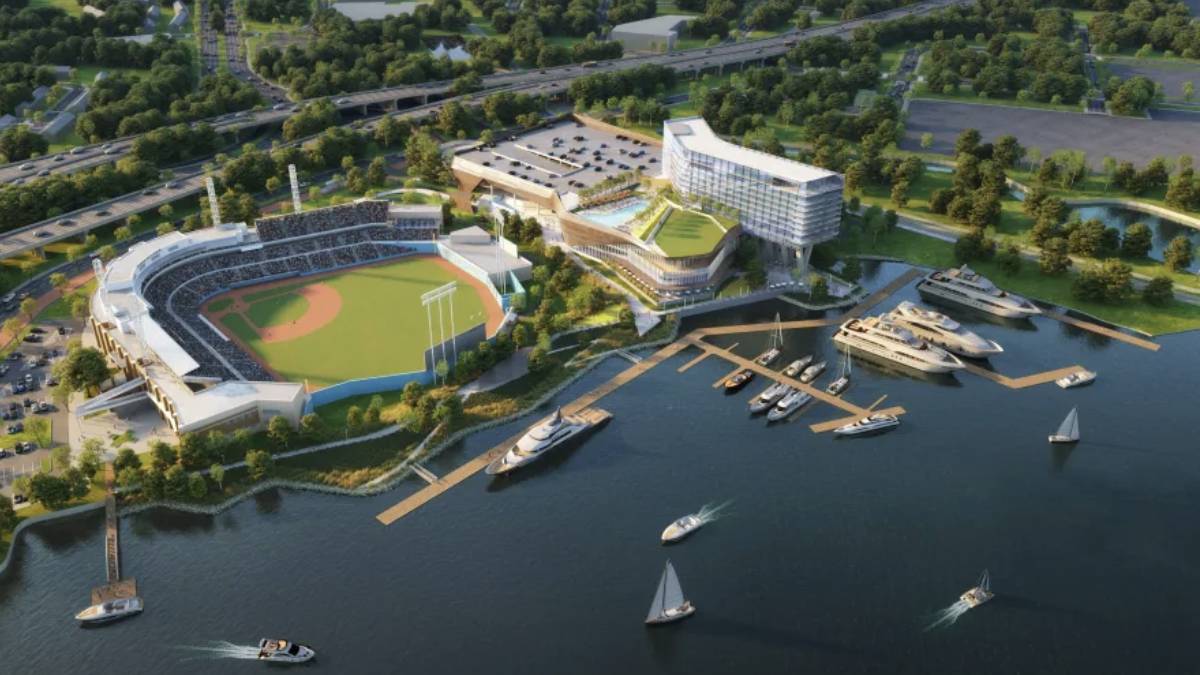
Virginia currently has five authorized commercial casino projects, with three permanent brick‑and‑mortar casinos open and one temporary plus one more about to open. All five are tied to specific host cities that were approved by local referendums.
Open brick-and-mortar casinos
Rivers Casino Portsmouth – Portsmouth
First permanent casino to open in Virginia (January 23, 2023), developed by Rush Street Gaming along the Elizabeth River. Now, a new hotel is being built.
Hard Rock Hotel & Casino Bristol – Bristol
Permanent Hard Rock casino at the former Bristol Mall site, opened November 14, 2024, after operating a temporary “Bristol Casino – Future Home of Hard Rock.” Now lawmakers are in a battle over the revenue split.
Caesars Virginia – Danville
Caesars‑branded resort in Danville, opened December 12, 2024, after running the temporary Danville Casino since May 2023.
Norfolk and Petersburg projects
Norfolk Casino (Interim Gaming Hall) – Norfolk
Temporary casino operated by the Pamunkey Indian Tribe with Boyd Gaming, opened in November; a smaller permanent Norfolk Casino & Hotel is under construction for a late‑2027 opening.
Live! Casino & Hotel Virginia – Petersburg
Cordish/Live! project in Petersburg, holding the fifth license reassigned from Richmond; a temporary casino is scheduled to open January 22, 2026, with a full resort to follow in 2027.
Taxes and Financial Aspects of Virginia Online Casinos
The Virginia online casino industry isn’t just about entertainment—it's a significant revenue stream for the state.
The proposed tax rate is about 15% of adjusted gross internet gaming revenue, lower than New Jersey and Pennsylvania, but it still provides crucial funds for Virginia. This revenue is set to bridge an anticipated $1 billion budget gap in 2027.
However, entering the Virginia online casino market comes with hefty costs. Operators must invest millions to express their intent and up to $500,000 for a five-year license, ensuring only serious players participate.
Beyond financial considerations, the bill emphasizes player protection within Virginia online casinos. It includes responsible gambling measures such as self-exclusion options, spending limits, and time-out features, mirroring existing sports betting protections.
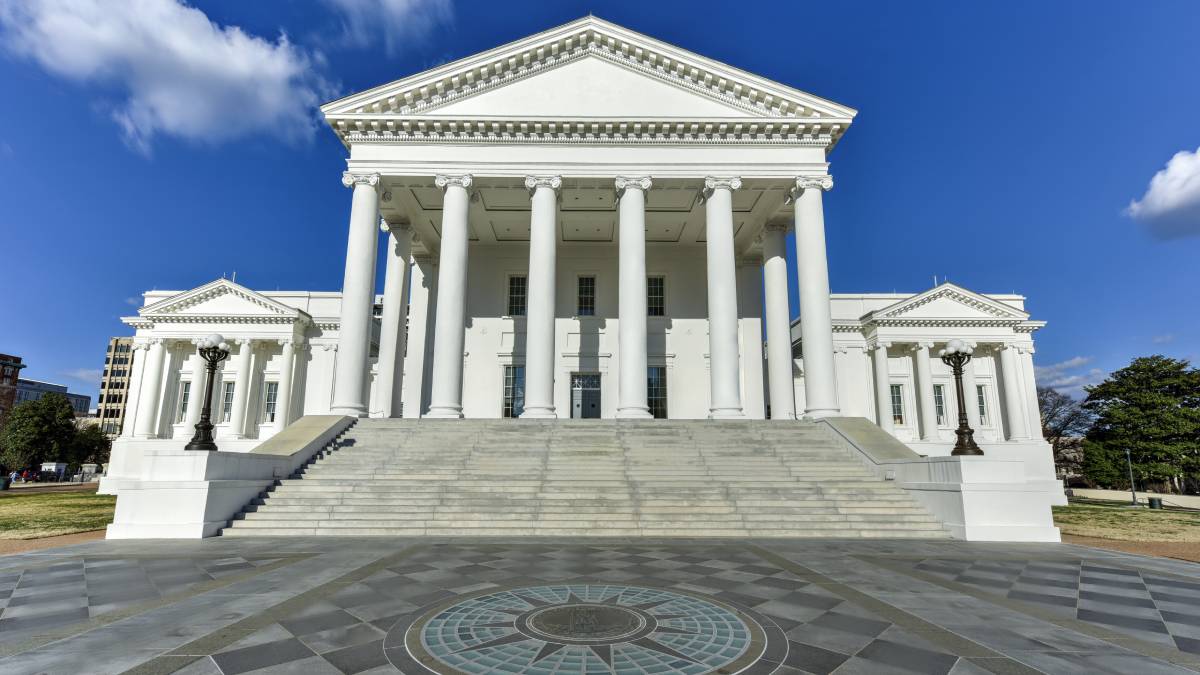
Virginia's Position in the National iGaming Landscape
Virginia is in discussions with states such as New York and Illinois regarding the legalization of online gaming.
With supportive political alignment, Virginia has strong prospects of becoming a leader in online gaming by 2026. Unlike Maine's tribal-exclusive model, the Virginia online casino framework is commercially attractive to a broader range of operators.
| Feature | Virginia HB 161 | Maine LD 1164 | Rhode Island iCasino |
|---|---|---|---|
| Ownership model | Commercial casinos + partners | Tribal‑exclusive Wabanaki Nations | Single commercial operator (Bally’s) |
| Max online brands/skins | Up to 15 skins statewide | Up to 4 (one per tribe) | Effectively 1 consumer brand |
| Tax structure | 15% of adjusted GGR | Tribal revenue model; state cut via compact terms | ~62% slots, 15% tables to state |
| Regulator | Virginia Lottery Board | Maine Gambling Control Board + tribal role | RI Lottery & state agencies |
| Access route for brands | License with land‑based casino partner | Secure tribal partnership | None (must work under Bally’s/IGT) |
| Competitive intensity | Moderate: few skins but multi‑operator | Very low: up to four tribal brands | None: full monopoly |
A Promising Future for Virginia Online Casinos
For major operators like FanDuel and DraftKings, Virginia's House Bill 161 makes the state's demographic of over 9 million a lucrative opportunity, despite the limited number of potential Virginia online casino platforms. For vendors offering slots and gaming technologies, the bill creates opportunities to thrive compared to states with tighter restrictions.
All in all, House Bill 161 signifies a monumental step towards modernizing the Virginia online casino industry. While challenges exist, the legislation could transform the state into an online gaming hub, boosting both the economy and the opportunities for gaming enthusiasts.


