


Pennsylvania lawmakers have introduced new legislation that could keep thousands of skill-game machines operating—but under a regulated and taxed system.
State Rep. Russ Diamond, R-Lebanon, introduced House Bills 2801 and 2802, a two-bill package aimed at regulating Pennsylvania skill games, taxing their revenue, and using some of the money to support property-tax relief. The proposals arrive just weeks before a major enforcement deadline that could force businesses across the state to remove tens of thousands of unlicensed machines.
The timing is critical. The Pennsylvania Supreme Court ruled in June that the devices commonly known as skill games are legally considered slot machines under state law. Unless lawmakers change the law, businesses that operate the machines outside the state’s licensed gambling system could face enforcement beginning October 14.
If you want more Action Network content, be sure to add us as a preferred source on Google.
What HB 2801 Would Do
House Bill 2801 would create a statewide regulatory structure for skill games. Rather than requiring their removal, the measure would allow approved machines to operate at certain locations, including:
- Clubs and social organizations
- Liquor-licensed bars and restaurants
- Qualified truck stops
The bill would limit those establishments to five machines each. It would also place a 20% tax on gross terminal revenue, meaning the money remaining in a machine after player winnings are paid out.
Supporters say the measure would bring an industry that has operated in a legal gray area into a clear, state-controlled framework. The Pennsylvania Gaming Control Board would be expected to oversee approvals, helping ensure machines meet state requirements before they can be used.
HB 2801 also proposes changes to certain casino and online-gaming tax rates, lowering and equalizing some rates at 49.9%. In addition, it would revise how money in the State Gaming Fund is distributed.
What HB 2802 Would Do
House Bill 2802 focuses on where new gaming revenue would go.
Its main goal is property-tax relief through direct annual “gaming dividend” payments to qualified homeowners. Estimates tied to the proposal suggest eligible homeowners could receive at least about $702 per year without assuming future industry growth. The broader package could provide nearly $1 billion in additional property-tax relief, while also directing money to the Race Horse Development Trust Fund, problem-gambling programs, and the General Fund.
Why Pennsylvania Skill Games Face an October Deadline
The new bills follow a major Pennsylvania Supreme Court decision issued on June 15, 2026. In related cases involving Pennsylvania skill amusement devices and POM of Pennsylvania, LLC, the Court ruled that the machines fall within the state’s legal definition of slot machines.
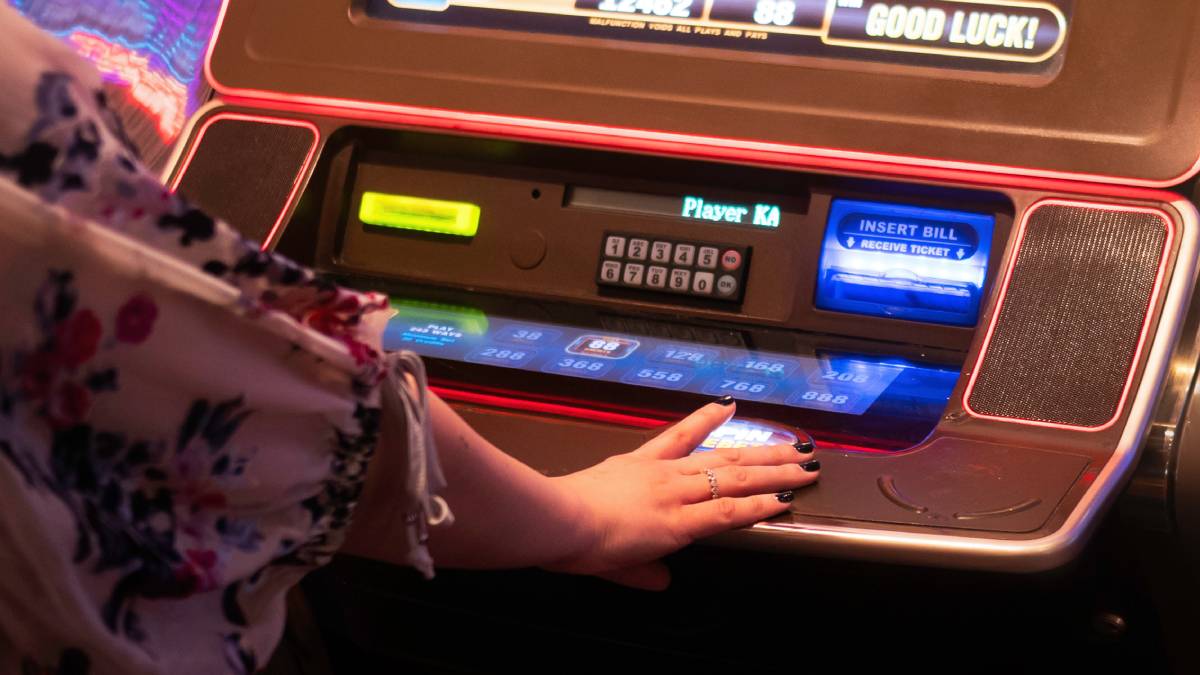
Many skill-game terminals look similar to casino slot machines. However, manufacturers and operators had argued that they were different because players completed a brief skill-based feature, such as a memory test or matching game, before the final result.
That argument had previously helped the machines spread into bars, taverns, gas stations, convenience stores, social clubs, and other locations outside casinos. Estimates have placed the number of machines in Pennsylvania at roughly 70,000.
But the Supreme Court rejected the claim that a skill component removes the devices from slot-machine regulation. Writing for the majority, Justice David Wecht said earlier interpretations by the Commonwealth Court were “deeply flawed.” The Court found that Pennsylvania’s 2017 update to the Race Horse Development and Gaming Act specifically includes “skill slot machines” and “hybrid slot machines.”
In other words, the Court concluded that adding a short skill feature does not change the legal status of the machines when they otherwise function as slot machines.

What Happens After October 13?
The Supreme Court delayed enforcement of its decision for 120 days to give businesses time to adjust and to allow the General Assembly an opportunity to respond. That enforcement stay is expected to expire on October 13, 2026.
During the stay, law-enforcement agencies are barred from taking action against businesses based solely on the Supreme Court ruling. After the deadline, however, Pennsylvania State Police may begin enforcing the law against unlicensed machines beginning October 14.
State police have warned businesses that unplugging a skill game may not be enough. The machines must be removed from the premises. Potential enforcement could include:
- Seizure of skill-game terminals
- Seizure of ticket redeemers and related equipment
- Seizure of cash connected to the machines
- Possible criminal charges for unlicensed possession or operation
Attorney General Dave Sunday supported the Court’s decision, saying it protects consumers and supports the rule of law. He also noted that unregulated skill-game machines have far outnumbered the slot machines operating inside Pennsylvania’s regulated casinos.
Why the Debate Over Skill Games?
The debate is about more than whether a game requires skill. It also involves taxes, consumer protection, competition, and the future of small businesses.
Pennsylvania casinos and regulated gambling companies have argued for years that unregulated skill games create an uneven playing field. Casinos must pay licensing fees, follow strict regulations, fund responsible-gambling measures, and pay substantial gaming taxes. Skill-game operators have generally not faced the same statewide framework.
Small businesses see the issue differently. Bars, clubs, taverns, and other local establishments say the machines can provide important revenue, especially when margins are tight. For some social clubs and neighborhood businesses, skill games have become a meaningful source of operating income.
HB 2801 and HB 2802 attempt to bridge those positions. Instead of allowing an unregulated market to continue, the bills would create rules on where machines can operate, how many machines a location can have, how the state taxes revenue, and how the public benefits from that money.

Can the Legislature Still Legalize Skill Games?
Yes. The Pennsylvania Supreme Court made clear that the General Assembly can change the law if it chooses.
The Court interpreted the statutes currently on the books. It did not prevent lawmakers from creating a new legal category for skill games or building a new licensing system for them. That is exactly what the Diamond legislation seeks to do.
Still, passage before the October 13 deadline is far from certain. HB 2801 and HB 2802 were referred to the House Gaming Oversight Committee, where they must move through the legislative process before reaching the full House and Senate.
Even if lawmakers approve a new regulatory system quickly, operators may still face a temporary interruption. The Pennsylvania Gaming Control Board would need time to review, approve, and regulate the machines before businesses could legally resume operation.
What Pennsylvania Businesses Should Watch Next
Businesses with skill-game machines should closely monitor action on HB 2801 and HB 2802 in the coming days. The key issue is whether the legislature passes a law that authorizes regulated skill games before enforcement begins.
If no new law is enacted, unlicensed Pennsylvania skill games operating outside casinos and other permitted settings will likely need to be removed by October 13. Enforcement may begin the following day.
For business owners, the immediate takeaway is simple: do not assume that turning off a machine will satisfy state authorities. Under the current guidance, unlicensed devices may need to be physically removed unless Pennsylvania lawmakers create a new legal framework in time.
The coming weeks could determine whether Pennsylvania ends its widespread skill-game market or transforms it into a regulated industry that generates tax revenue and property-tax relief.


