


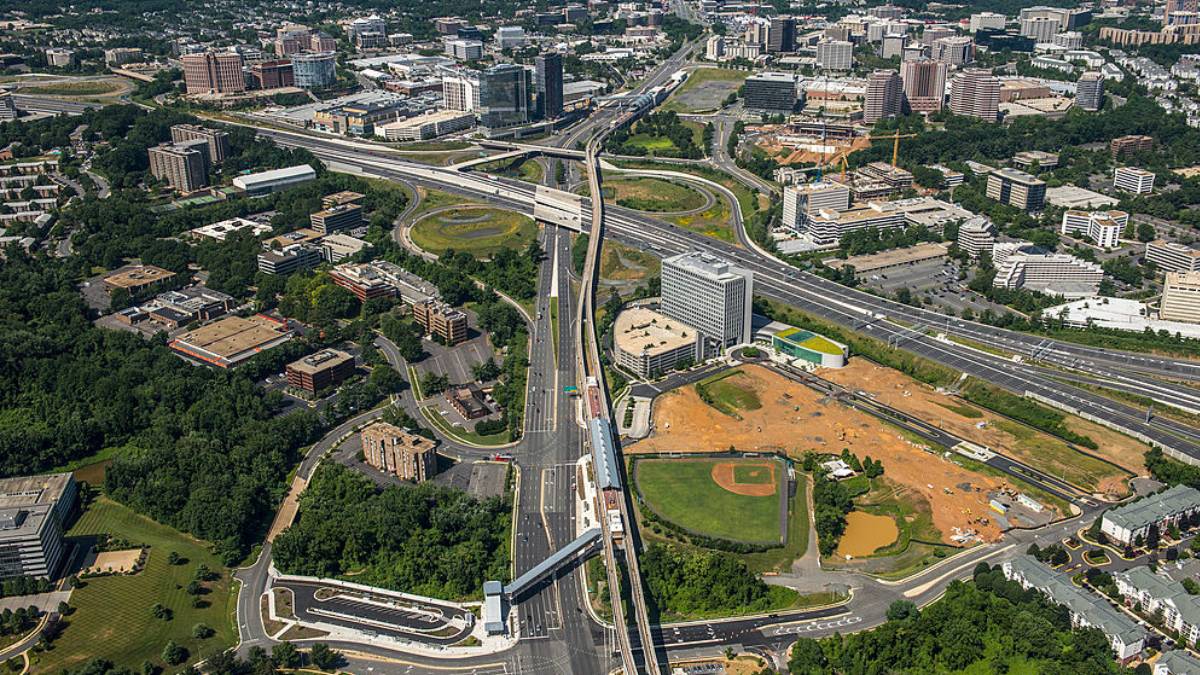
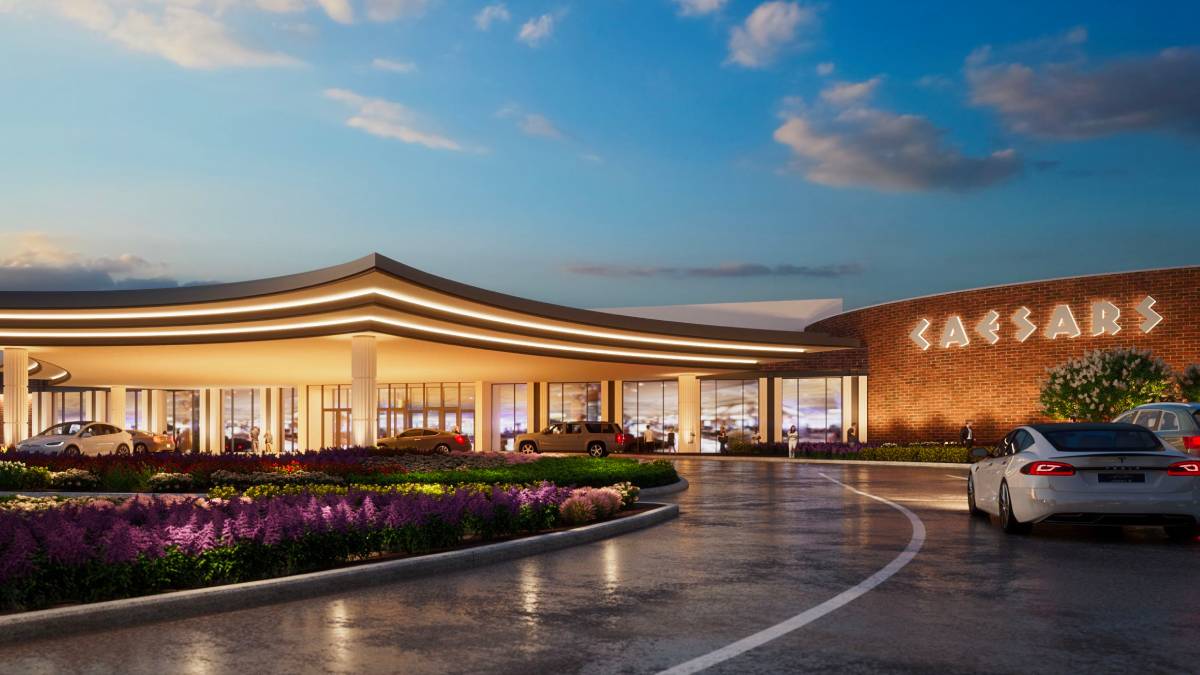
Fairfax County is currently embroiled in a high-stakes debate over the possibility of introducing a casino resort in the Tysons area.
At the heart of this contention is SB 756, a proposed bill that, if passed, would authorize Fairfax County as a casino-eligible locality, specifically targeting Tysons for development.
The bill has reignited discussions that have been stalled multiple times due to strong opposition from both local communities and certain governmental bodies.
The announcement coincides with Virginia's recent opening of a new casino in Petersburg and follows word that Old Dominion is heading toward legalizing online casinos.
What The Tysons Casino Bill Proposes
SB 756 outlines specific criteria that any proposed casino site in Fairfax County must satisfy, effectively steering the development towards Tysons.
The conditions include proximity to a Silver Line Metro station, incorporation into a large mixed-use project, and location within two miles of a significant regional mall, among others.
All criteria conveniently align with the Tysons area, especially near the Spring Hill Metro station, which has been earmarked as a potential development hub.
Economic Arguments and Projections
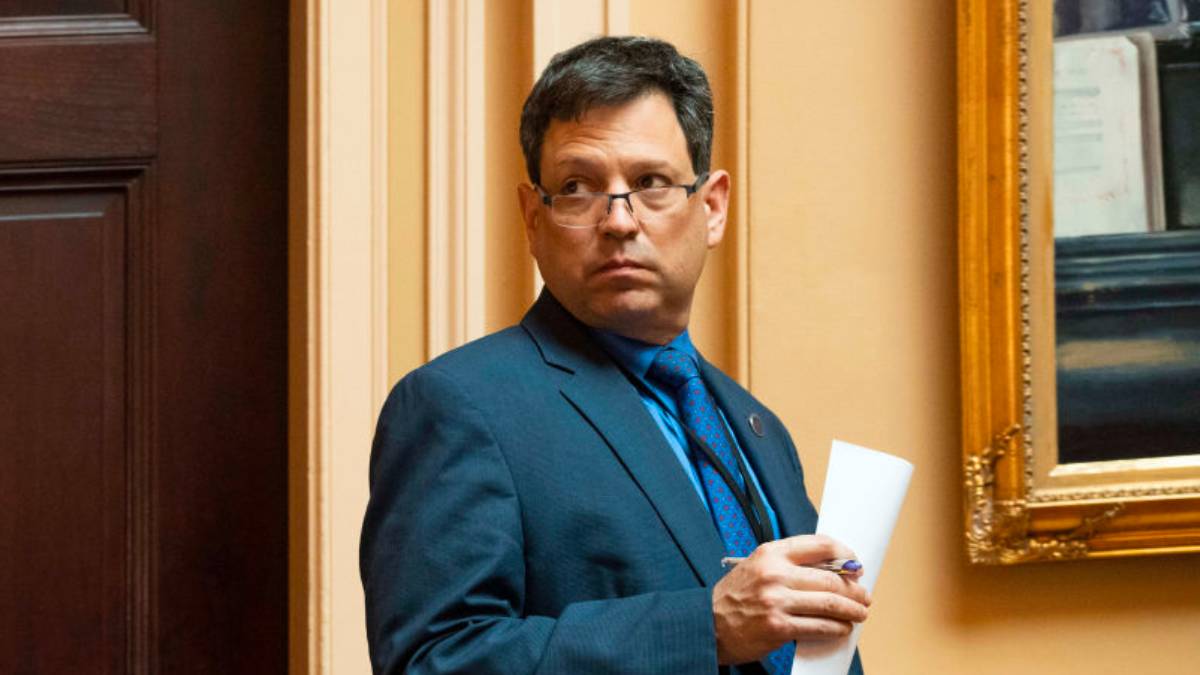
Senate Majority Leader Scott Surovell loves the idea of a Tysons casino, viewing it as a pivotal solution for the county’s diminishing commercial tax base.
Surovell cites financial projections suggesting that a casino in Tysons could rake in up to $300 million annually, potentially easing the tax burden on residents and enhancing funding for public services.
He also points out that other Virginia localities have been granted casino licenses with less controversy, arguing that Fairfax County deserves similar opportunities, especially considering its proximity to Washington, D.C.
Community Resistance and Concerns
Despite the economic promises, the proposed Tysons casino faces fierce resistance from local community groups and the Fairfax County Board of Supervisors.
The community's main fears revolve around increased traffic, potential rises in crime, and the divergence from Tysons' established vision as a business and innovation center.
At public hearings and community meetings, many Fairfax residents voiced their concerns, underscoring the discrepancy between the casino proposal and the Tysons Comprehensive Plan, which emphasizes sustainable, mixed-use development.
Supervisor Walter Alcorn, among others, has been vocal about how a casino might undermine the area's development goals. His arguments, along with those of various community leaders, have led the Board of Supervisors to officially oppose the casino proposal unless the Board itself explicitly requests it.
The Legislative Journey and Future Outlook
Historically, bills proposing casinos in Tysons have gained some traction in the Senate but usually falter in the House, primarily due to strong local opposition.
SB 756 represents another attempt to bridge that legislative gap. If the bill passes the Assembly, a public referendum would be required, allowing Fairfax County residents to have the final say.
Virginia also has casinos in Bristol, Portsmouth, Norfolk and Danville.
Balancing Economic Growth with Community Values
While the potential revenue from a Tysons casino could address fiscal challenges, it is crucial to weigh these benefits against the community’s vision and voice.
Proponents like Surovell argue for innovation in revenue generation amid economic strain, but the persistent opposition indicates that, for many, a casino does not align with Tysons’ future as a thriving urban center focused on residential and business growth.
The upcoming years will be critical in shaping whether Tysons will embrace this new venture or continue to prioritize its established development plans.
As the debate progresses, ensuring that residents' voices are heard alongside economic considerations will be vital in determining the best path forward for Fairfax County.


