


Bally’s Marquette is a newly rebranded and upgraded casino in Marquette, Iowa, located right along the Mississippi River.
The new casino will officially swing open its doors on Friday, completing a major shift for what was previously known as Casino Queen Marquette—a historic riverboat casino that had operated on the water for over 30 years.
The property has undergone several name changes throughout its history, starting as Miss Marquette in 1994, then becoming Isle of Capri Marquette, Lady Luck, and Casino Queen before the recent change.
This marks the end of the era for true riverboat casinos in Iowa. While some, like the Ameristar Casino Council Bluffs, are located on the water, they are docked and function as land-based venues rather than floating ones.
All of this comes as lawmakers consider making casinos in Iowa smoke-free.
What Will The Bally's Casino Bring to Marquette?
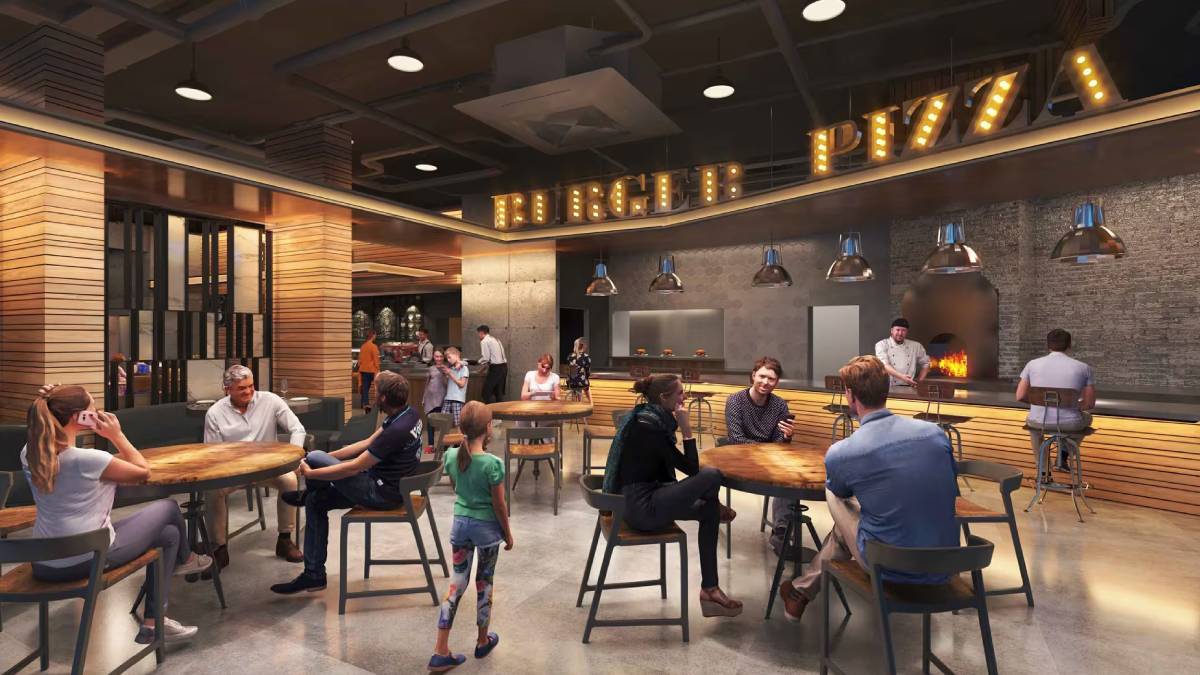
As part of a $21 million transformation project, the casino has moved operations fully ashore to a new land-based facility. This involved selling off the old riverboat and building a modern complex for better accessibility and amenities. Key upgrades include:
- Direct access from the parking lot to the gaming floor (no more boarding a boat!).
- Over 400 slot machines.
- Live table games and electronic table options.
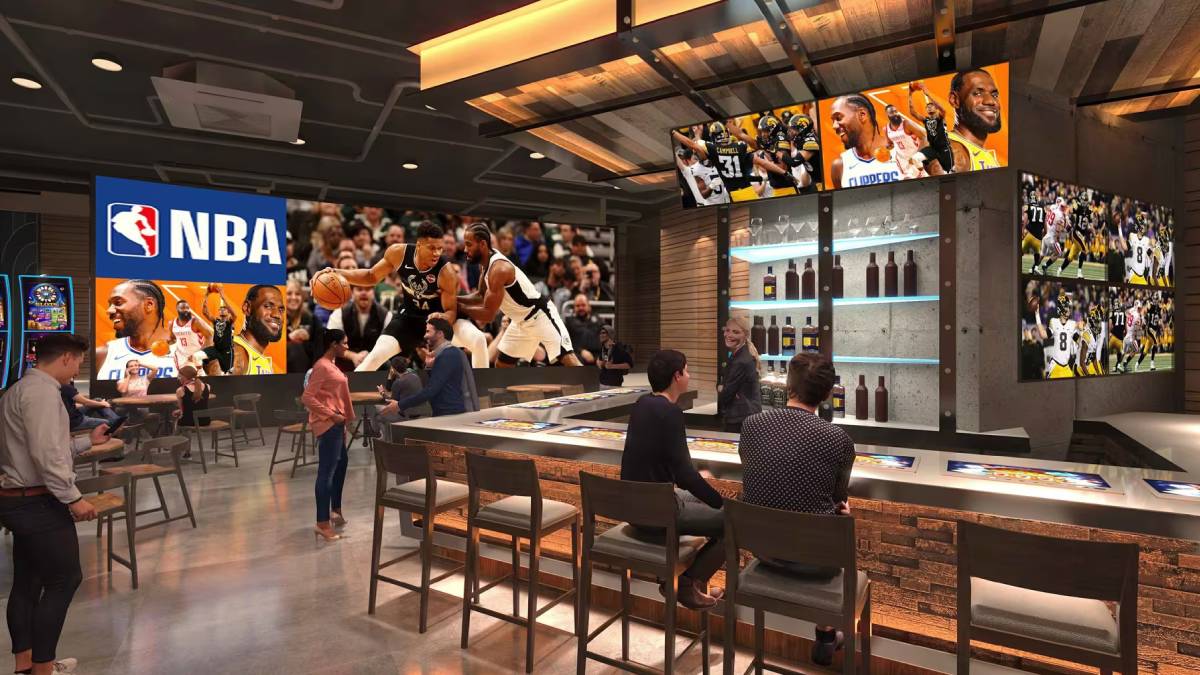
- A dedicated sportsbook (with self-service kiosks and live betting windows), located on the second floor.
New dining and drink venues include:
- 1994 Sports Bar (likely a nod to the casino's opening year).
- Sidecar Bar.
- Benchfront Coffee.
- Riverside Grill.
The project enhances the guest experience while keeping the scenic riverfront vibe.
Iowa Considered the Birthplace of Riverboat Casino Gambling
Iowa pioneered modern riverboat casino gambling in the U.S., and its industry has evolved dramatically from floating, heavily regulated boats in the early 1990s to today’s modern land-based facilities.
Here’s a clear overview of the history and the major shifts happening right now:
- 1989: The Iowa Legislature passed the Excursion Gambling Boat Act—the first law in the country authorizing riverboat casinos. It allowed limited-stakes gambling on the Mississippi River and other waterways, with operations starting on April 1, 1991. Iowa beat out every other state and became the birthplace of the riverboat casino era.
- April 1, 1991: The very first riverboat casinos opened (Dubuque Casino Belle and others in the Quad Cities area). They had to actually cruise, with strict limits on bets, losses per person, and casino floor space. The concept was a huge hit—over 2 million visitors in the first year alone.
- Early 1990s: Competition from Illinois, which opened riverboats without the same restrictions, hurt Iowa’s boats. Some casinos temporarily closed, and revenue dropped.
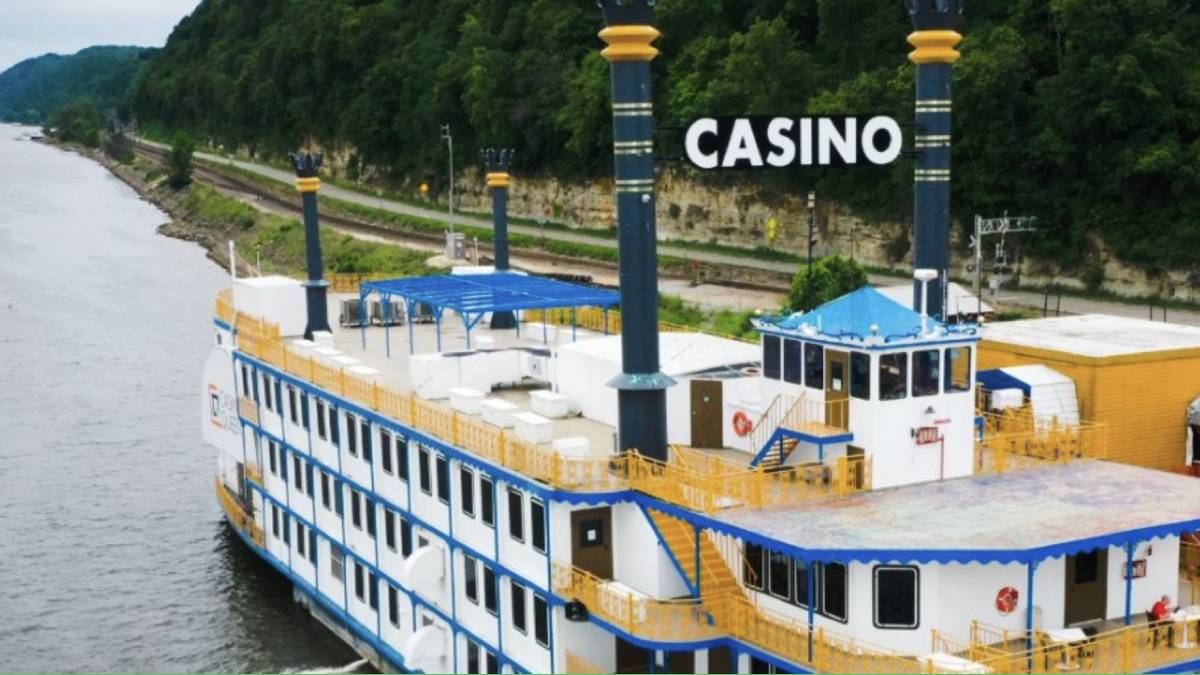
- 1994: Significant deregulation occurred. Iowa removed the mandatory “cruising” requirement, betting limits, and loss limits, allowing the boats to stay docked permanently. This move kept Iowa competitive and allowed the industry to grow.
- 1990s–2010s: Many "riverboats" became permanently docked or moored barges. New casinos opened across the state, bringing the total to 19. The focus shifted from nostalgia cruises to full entertainment complexes with hotels and restaurants.
- 2019: Sports betting was legalized—both in-person at casinos and via mobile apps linked to licensed operators. This added a major new revenue stream, although no full online casinos or poker were included.
Despite all of the changes, Iowa's casino industry continues to do well. Recent numbers show that revenue is up, and new projects are underway.

How Iowa Casinos Are Changing in 2026
The biggest transformation right now is the complete end of the riverboat era. By the end of 2026, every Iowa casino will be fully land-based. The last few floating or moored operations are moving ashore for practical reasons:
- Easier access (no boarding a boat in bad weather)
- More space for slots, tables, sportsbooks, dining, and entertainment
- Better parking and a modern guest experience
- Ability to compete with land-based casinos in neighboring states (Missouri, Nebraska, etc.)
Specific changes happening this year:
- Bally’s Marquette (the one you asked about earlier) — Former riverboat Casino Queen Marquette just completed its $21 million land-based transformation and opens Friday, March 13, 2026.
- Ameristar Casino Hotel Council Bluffs — Major construction starts in 2026 to move operations fully onshore.
- Catfish Bend (Burlington) — Being acquired and rebranded as Great River Casino Resort with expanded amenities.
- New casino coming — Cedar Crossing Casino in Cedar Rapids (Iowa’s potential 20th casino) is under construction and expected to open late 2026 with ~700 slots, tables, and a large entertainment venue.
Iowa has 19 state-licensed casinos generating strong revenue: $136 million in casino gaming + $28 million in sports wagering for the month alone (up from the previous year).
Eleven operators also offer mobile sports betting apps.
Dawn of a New Era For Iowa Casinos
Iowa went from inventing the riverboat casino concept in 1991 to fully retiring it.
The industry is modernizing rapidly, with larger, more comfortable land-based resorts offering better food, sportsbooks, and entertainment—all while maintaining the Mississippi River vibe at many properties. It’s a smart evolution that reflects changing guest expectations and keeps Iowa competitive.
There was a soft opening recently, with parts like the first floor opening earlier and the second floor phased in later. The official grand opening is set for Friday.
It's owned by Bally's Corporation (following their merger with Casino Queen Entertainment), located at 100 Anti-Monopoly St.—a fun, thematic address nodding to the old board game, fitting for a gaming spot!
This move modernizes one of Iowa's longtime riverboat gaming spots and is seen as exciting for the local area in northeast Iowa, near Prairie du Chien, Wisconsin. It truly marks the dawn of a new era in The Hawkeye State.
