


A recent decision by the House Rules Committee has put a crucial gambling tax reform effort on hold, leaving many wondering what will happen next in the realm of gambling tax policy.
The committee declined to advance the Fair Accounting for Income Realized From Betting Earnings Taxation Act, known as the FAIR BET Act, dashing hopes of modifying gambling tax rules scheduled to change in 2026.
This decision came just days after Senator James Lankford (R-OK), a prominent member of the Senate Finance Committee, announced he was openly opposing efforts to reverse the controversial change in U.S. tax policy affecting gamblers.
Let's take a closer look at what this decision means for the chances of repealing the gambling loss tax, and your bottom line.

Understanding the FAIR BET Act and Gambling Tax Changes
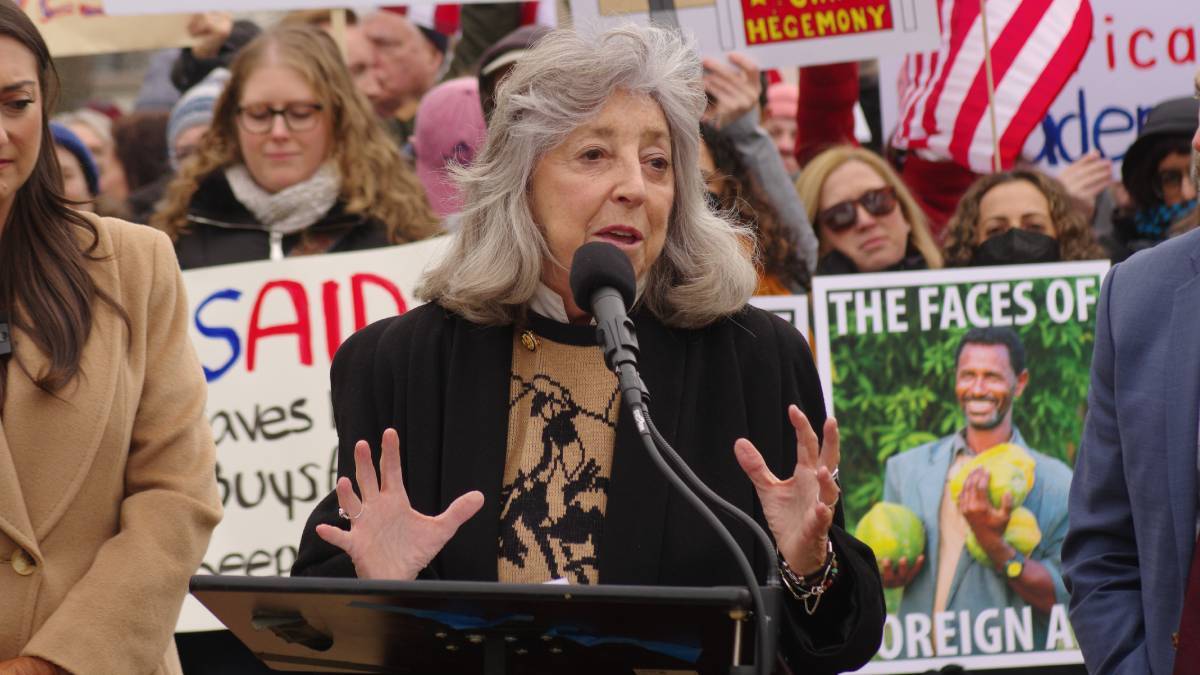
The FAIR BET Act, proposed by Representative Dina Titus of Nevada, aims to address what many see as an unfair gambling tax rule set to take effect in 2026.
Currently, gamblers are allowed to deduct 100% of their losses from their winnings, provided they keep meticulous records and opt for itemized deductions. However, beginning in 2026, these gambling tax deductions will be limited to just 90% of losses due to a provision in the One Big Beautiful Bill Act.
This change in gambling tax policy means that even if a gambler breaks even—winning and losing the same amount—they could still be liable to pay taxes on “phantom income.”
For instance, if a gambler wins $10,000 and loses $10,000 in 2026, they would be able to deduct only $9,000 in losses, resulting in $1,000 being considered taxable income—despite no real gain.
Impact of the House Rules Committee Decision on Gambling Tax
The decision by the House Rules Committee to block the FAIR BET Act as an amendment to the 2026 National Defense Authorization Act has significant implications for the future of gambling tax policy. The committee cited revenue concerns and a desire to avoid adding unrelated issues to the defense bill as reasons for its decision.
This ruling has been met with disappointment from those in the gambling industry, including casinos and other betting operators, who argue that the gambling tax change penalizes regular players and does not encourage accurate reporting.
Despite support from various industry stakeholders, including professional gamblers, and some bipartisan backing in Congress, the future of the FAIR BET Act—and its impact on gambling tax policy—remains uncertain.
What About The WAGER Act?
The WAGER Act is a piece of legislation aimed at changing how gambling taxes are handled, with a particular focus on horse race betting and a separate Senate bill concerning the federal tax on legal sports bets.
It is more narrowly focused on areas like horse racing and sports betting taxes. Even if the WAGER Act passes, the rule allowing only a 90% deduction of losses could still remain a problem unless legislation like the FAIR BET Act is also approved.
However, like the FAIR BET Act, the WAGER Act has not moved forward in committee or become law.
Planning for 2026: Navigating the New Gambling Tax Rules
With the current gambling tax changes now in effect, gamblers need to be prepared for the new landscape.
This preparation involves keeping detailed records of all gambling activities and seeking advice from tax professionals to navigate the updated gambling tax rules effectively. High-volume players, in particular, may need to consider different strategies to minimize their tax liabilities under the new framework.
In short, the blocking of the FAIR BET Act leaves a cloud of uncertainty over the future of gambling tax, potentially impacting both the gaming industry and individual gamblers.
As the situation stands, 2026 may bring a significant shift in how gambling earnings—and losses—are governed by gambling tax laws.


