


As we step into 2026, gamblers across the United States must urgently adjust to the changes to the gambling losses tax brought about by the One Big Beautiful Bill Act (OBBBA).
Signed into law in 2025, this legislation has just come into effect, revolutionizing how gambling taxes are handled. In short, the OBBBA says gamblers can only subtract 90% of their losses from their winnings when paying taxes.
With significant repercussions for everyone involved in gambling—from casual players to seasoned bettors—understanding these changes is now more crucial than ever.
Immediate Tax Implications for Gamblers
The OBBBA introduces two pressing changes that have already started impacting gamblers nationwide:
- Limitation on Gambling Loss Deductions: The era of deducting all your gambling losses against your winnings has ended. As of January 1, 2026, you can now only deduct 90% of documented losses. This means if you win $10,000 and lose $10,000 within the year, you can only deduct $9,000 of those losses. The remaining $1,000 is treated as taxable income, potentially leading to unexpected tax bills—an urgent matter for those who have previously relied on a zero net tax impact after breaking even.
- Increased Reporting Threshold for Slot Wins: The threshold for reporting slot machine winnings has increased to $5,000, up from $1,200. While this reduces immediate paperwork for smaller jackpots, remember that all gambling winnings are taxable, whether a W-2G form is triggered or not. The onus is now on you to ensure accurate reporting to avoid any IRS issues.
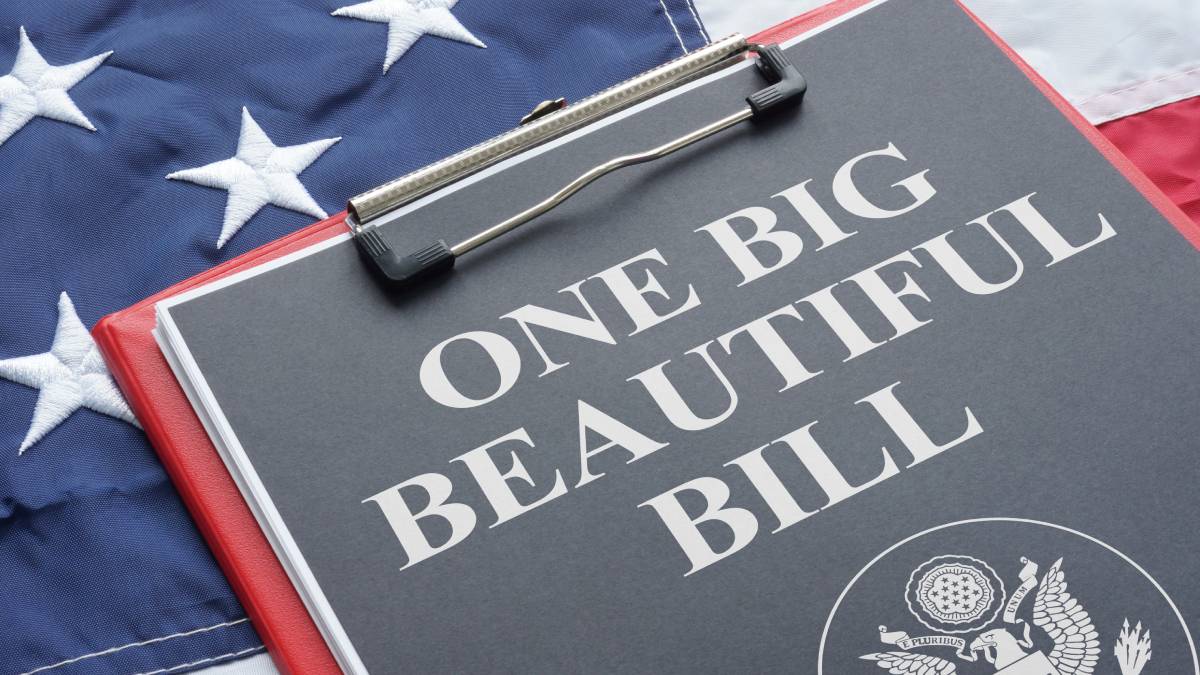
Why This Matters Now
The consequences of these new regulations are far-reaching:
Potential for Owed Taxes on "Phantom Income": Under the new rules, you could owe taxes on money you never actually pocketed—a situation that demands immediate financial strategizing to avoid unforeseen liabilities.
Critical Need for Record Keeping: Accurate tracking of every bet and outcome now becomes indispensable. Adequate documentation is your best ally in justifying deductions and safeguarding against IRS audits.
Imperative to Itemize Deductions: To benefit from the limited deduction, it is essential to itemize deductions on your tax return. If you opt for the standard deduction, your ability to claim gambling losses disappears—potentially increasing your taxable income substantially.
Can The Changes To The Gambling Losses Tax Be Reversed?
Activists and lawmakers are pressing forward with attempts to repeal or amend these provisions. Multiple bills are in the works, but none have made significant headway:
FAIR BET Act (H.R. 4304): H.R. 4304 aims to restore the full deduction of gambling losses.
WAGER Act and FULL HOUSE Act: The WAGER Act proposes rolling back the deduction cap, but it is stalled in early legislative stages.
Several professional gamblers have also publicly opposed the Big Beautiful Bill gambling losses tax change. However, with these potential reversals facing uncertainty, the current OBBBA stipulations are here to stay, at least for the time being.

What You Should Do Right Now
Time is of the essence. Here's what you need to prioritize immediately:
Review your 2026 gambling and tax strategies: Ensure you understand how these changes affect your financial standing and tax planning.
Consult with a tax professional: Seek expert advice on navigating these new regulations to optimize your tax outcomes and remain compliant.
Stay informed: Keep an eye on legislative developments, as future changes could alter the landscape once more.
The implementation of the OBBBA marks a pivotal moment for U.S. gamblers. As these new regulations take hold, awareness and proactivity are key to managing your gambling activities responsibly and safeguarding your financial well-being.
Don't wait—act now to stay ahead of these unprecedented changes.


