


The fight to get the gambling losses tax repealed just hit an obstacle.
Senator James Lankford (R-OK), a prominent member of the Senate Finance Committee, is openly opposing efforts to reverse a controversial change in U.S. tax policy affecting gamblers. The changes went into effect on January 1, 2026.
His stance against restoring the full deduction for gambling losses now stands as a roadblock to the bipartisan momentum aimed at repealing the 90% cap on gambling loss deductions.

Background on the Recent Gambling Losses Tax Change
The One Big Beautiful Bill Act (OBBBA), signed into law by President Trump in July 2025, brought significant changes to the tax code.
While it primarily extended provisions from the 2017 Tax Cuts and Jobs Act, it also introduced a late Senate addition that has drawn attention: starting January 1, 2026, gamblers can deduct only 90% of their losses against their winnings. Before this change, they could offset 100% of their losses, resulting in no tax liability if they broke even.
This new rule impacts all types of wagering, including casino games, sports betting, poker, the lottery, and horse racing. It is expected to generate approximately $1.1 billion in federal revenue over the next decade, but has faced widespread criticism for taxing “phantom income” and potentially driving high-stakes gamblers to unregulated markets.
The Bipartisan Push to Restore Full Deductions
In response to this change, various legislative efforts have emerged to restore the full deduction rule.
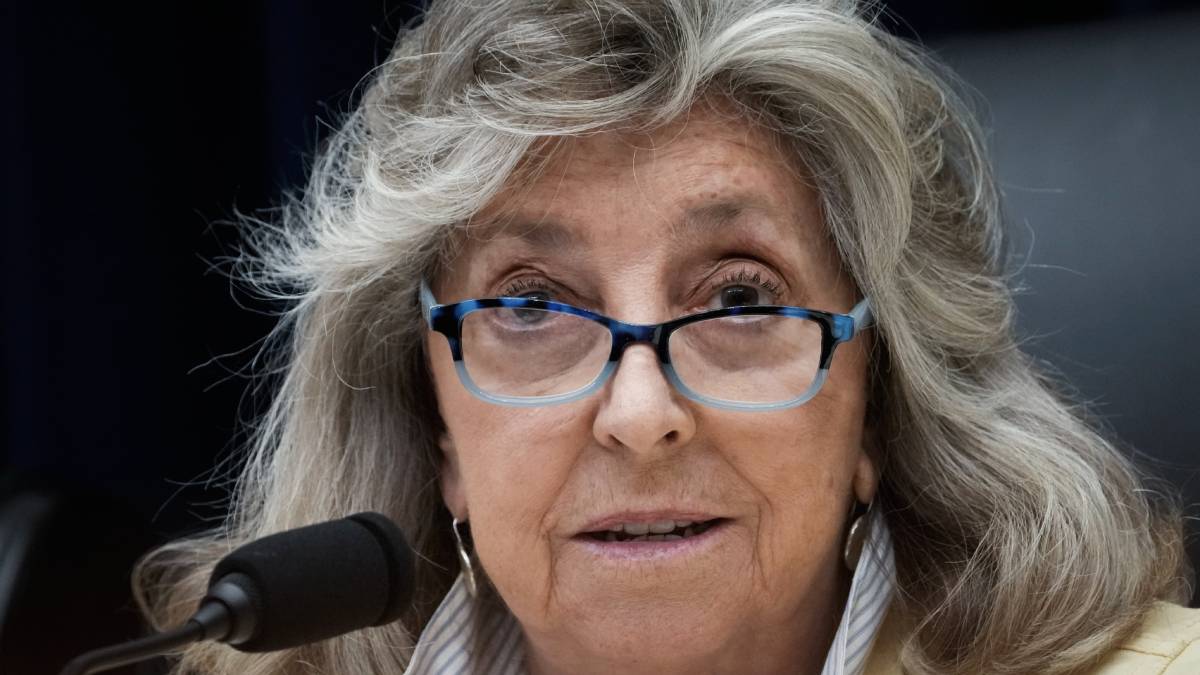
For instance, the FAIR BET Act, introduced by Rep. Dina Titus (D-NV) with bipartisan support, aims to repeal the 90% cap. Similar efforts are seen in companion Senate legislation like the FULL HOUSE Act, led by Sen. Catherine Cortez Masto (D-NV), which has backing from Republicans such as Ted Cruz.
There's also the WAGER Act, focused on horse racing and spearheaded by Rep. Andy Barr (R-KY), which adds to the growing legislative push.
These proposals enjoy the support of the American Gaming Association (AGA) and major industry players like DraftKings and MGM. However, despite bipartisan and industry backing, previous attempts to pass these measures—even through unanimous consent—have stalled.
Senator Lankford's Position and Its Implications
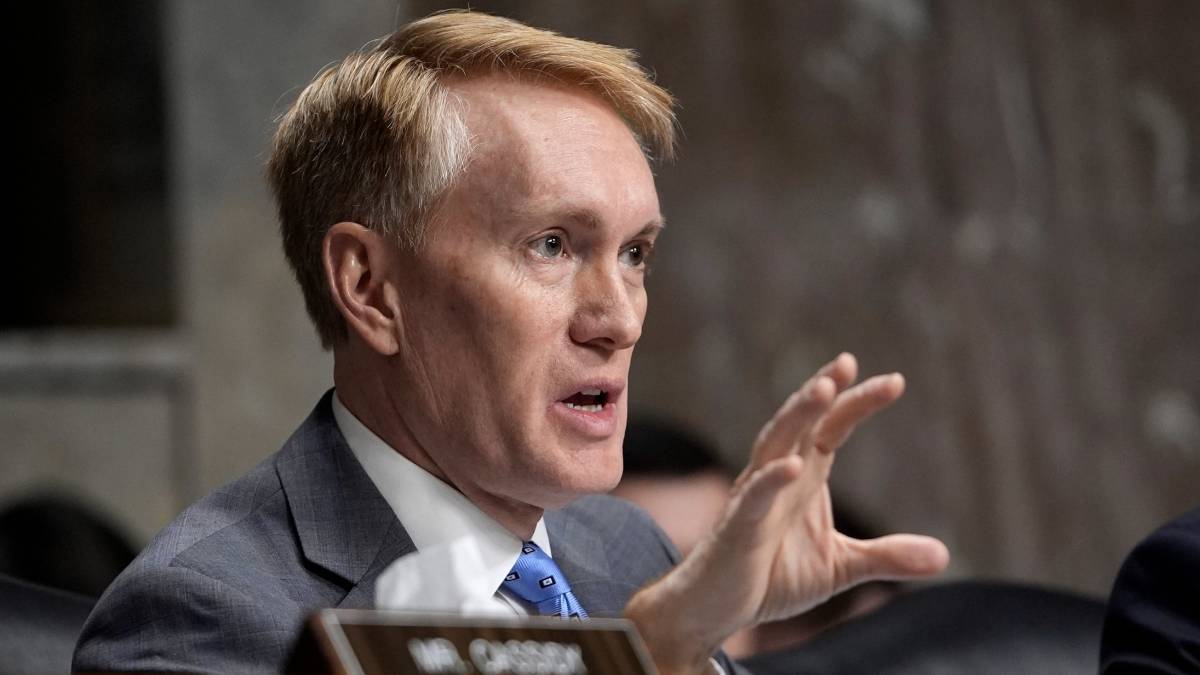
Senator Lankford's firm opposition to restoring the 100% deduction is significant, particularly because he occupies a crucial role on the Senate Finance Committee—the body that would mark up any legislation seeking to reverse the OBBBA change.
Lankford described the 90% cap as a “pretty minor” adjustment and not unrealistic, framing it as a necessary fiscal measure for federal revenue during ongoing tax cut debates.
Interestingly, Lankford's position contrasts sharply with the interests of his own state.
Oklahoma, home to more than 130 tribal gaming facilities—the most per capita in the U.S.—could experience economic setbacks from this tax policy. 35 tribal nations within the state have gaming compacts. Nevertheless, Lankford’s earlier involvement in incorporating the cap into the budget highlights his commitment to safeguarding it.
The Bigger Picture and Future Prospects
Senator Lankford's opposition makes the tax policy debate more complicated.
His stance aligns with other Republican members of the Finance Committee and party leaders who believe the 90% cap helps stabilize the budget. This makes it more difficult to restore the full deduction for gambling losses in future tax legislation.
At the same time, gambling industry supporters and gamblers are adjusting their strategies.
They may increase lobbying efforts, focusing on Lankford and other Republicans on the Finance Committee, while emphasizing how important gaming is to Oklahoma’s economy. They may also look ahead to future tax bills, particularly those tied to the 2025–26 period, when some provisions of the 2017 tax cuts are set to expire.
Overall, the effort to fully restore the deduction for gambling losses faces significant challenges in the Senate. Senator Lankford’s opposition not only highlights divisions within the Republican Party but also slows momentum to reverse a tax policy that both the gaming industry and gamblers view as critical.
The push to restore full deductibility remains active, but it continues to face hurdles in the Senate, as Lankford’s stance draws attention to internal Republican disagreements over this specific yet impactful issue. The 90% cap on gambling loss deductions is now in effect for the 2026 tax year.


