


When you think of Hawaii, you might imagine stunning beaches, lush landscapes, and vibrant culture. But what you might not know is that Hawaii is one of the few states in the U.S. that doesn't allow any form of gambling.
Since Hawaii became a state in 1959, it's maintained a firm ban on activities such as casinos, lotteries, and sports betting. But now, there's a lot of talk about whether that should change.
In recent sessions, the Hawaii State Legislature has been buzzing with debates over two bills that could change the state's long-standing stance on gambling. One pertains to gambling on cruise ships in Hawaiian waters, while the other is tied to legalizing online sports betting.
As it stands, Hawaii is one of just two U.S. states, alongside Utah, that prohibit nearly all forms of gambling. It looks like it will stay that way, at least for now.

Cruise Ship Gambling: House Bill 1945
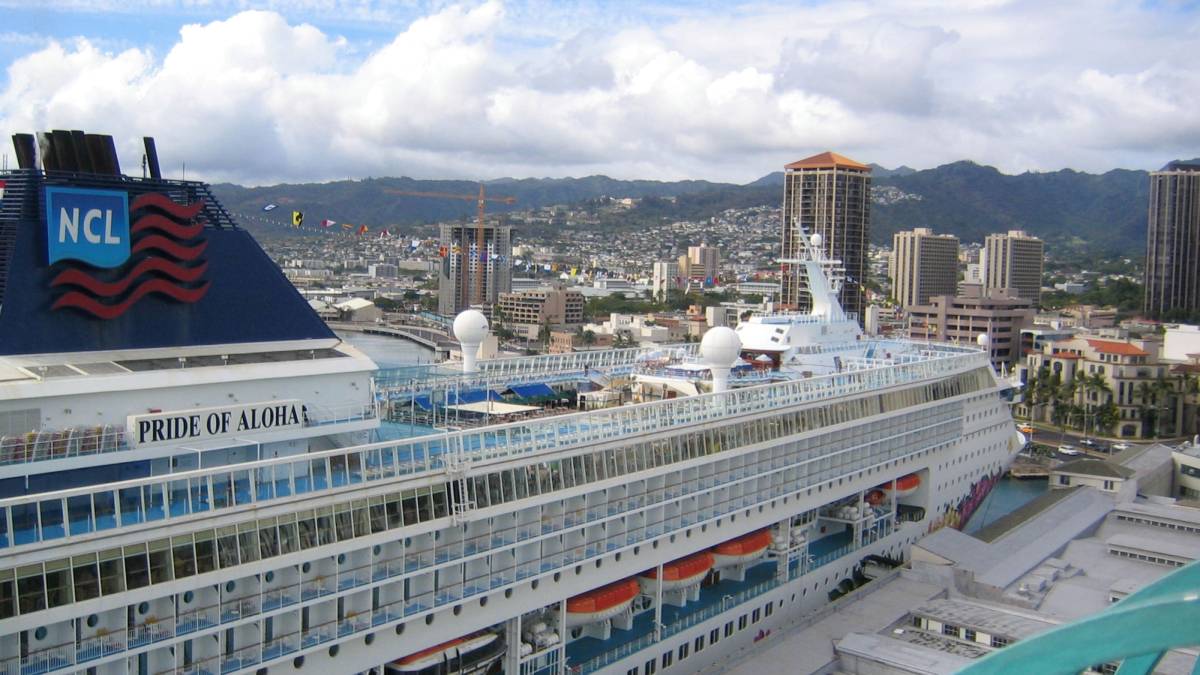
House Bill 1945 would have made gambling legal on certain cruise ships while they are in Hawaiian waters or docked at state harbors.
The idea was to attract major cruise lines by allowing casino-style gaming, thereby boosting tourism without requiring land-based casinos. The bill proposed a 20% tax on gaming revenue. However, it faced strong opposition due to concerns about regulation, social impact, and enforcement.
As a result, it stalled in a House committee hearing, effectively putting it on hold.
Sports Betting: House Bill 2570
A more contentious proposal is House Bill 2570, which looks to legalize online sports betting.
Introduced earlier in 2026, this bill seeks to set up a regulated sports betting framework to be managed by the Department of Business, Economic Development, and Tourism (DBEDT). It suggests issuing at least six licenses, with significant licensing fees and a 15% tax on adjusted gross sports betting revenue.
While the bill did pass through the House Committee on Economic Development and Technology by a narrow vote, an amendment delaying its effective date to July 1, 3000, indicates there’s still a lot of debate to be had.
Supporters say it could bring in significant revenue for the state and ensure that bettors have some protections. On the other hand, those against it are worried it could lead to more gambling problems, be hard to enforce, and have negative effects on the community by making it easier to gamble.
The opposition to the bill is intense.
Why the Debate?
The conversation around legalizing gambling in Hawaii involves weighing potential economic benefits, like increased tourism revenue and job creation, against social and cultural concerns, such as the risk of gambling addiction. While some see these bills as a way to modernize Hawaii’s economy, others worry about the impact on the state's values and social fabric.
A similar sports betting initiative passed both chambers back in 2025, but didn't make it through the conference committee due to disagreements.
Despite not moving forward this year, the renewed interest in 2026 shows that the discussion is far from over. Alongside these bills, a legislative group is digging deeper into the implications of gambling, looking at costs, benefits, and regulatory challenges.
The Road Ahead
The public response to HB 2570 has been primarily negative, with many voicing concerns over addiction risks and cultural implications. Still, supporters highlight the economic advantages and the ability to bring illegal betting activities into a regulated space.
Though both bills are on hold, Hawaii’s strict anti-gambling laws remain unchanged—for now. However, the ongoing discussions demonstrate that the issue is still alive in the legislative arena. Whether Hawaii decides to open its doors to certain types of gambling or not, the conversation will continue to evolve as stakeholders weigh the potential impacts.


