


If you've ever dreamed of sailing the serene blue waters around Hawaii on a cruise ship, while rolling the dice or spinning the roulette wheel, this might just pique your interest.
A new legislative proposal, House Bill 1945 (HB 1945), is catching waves. If passed, it would introduce casino-style gambling on cruise ships within Hawaiian waters.
This bill is part of a broader conversation about gambling in Hawaii, which includes multiple ongoing legislative efforts. These range from proposals for single-site casinos to revived discussions on sports betting.
But, as with any high-stakes game, changing the law is not without its controversies.

What is HB 1945?
HB 1945 is a legislative proposal aiming to legalize certain forms of gambling on qualifying cruise ships traveling in Hawaiian state waters.
If passed, this would be a monumental change for a state that, along with Utah, has long resisted the allure of legalized gambling. Here are some of the key provisions:
- Introduces a 20% wagering tax on gambling revenue
- Targets passengers of large cruise ships on voyages lasting at least 100 hours
- Set to take effect on August 1, 2027
Gaming activities would need to stop shortly after docking, keeping the gambling strictly offshore, at least in terms of location.
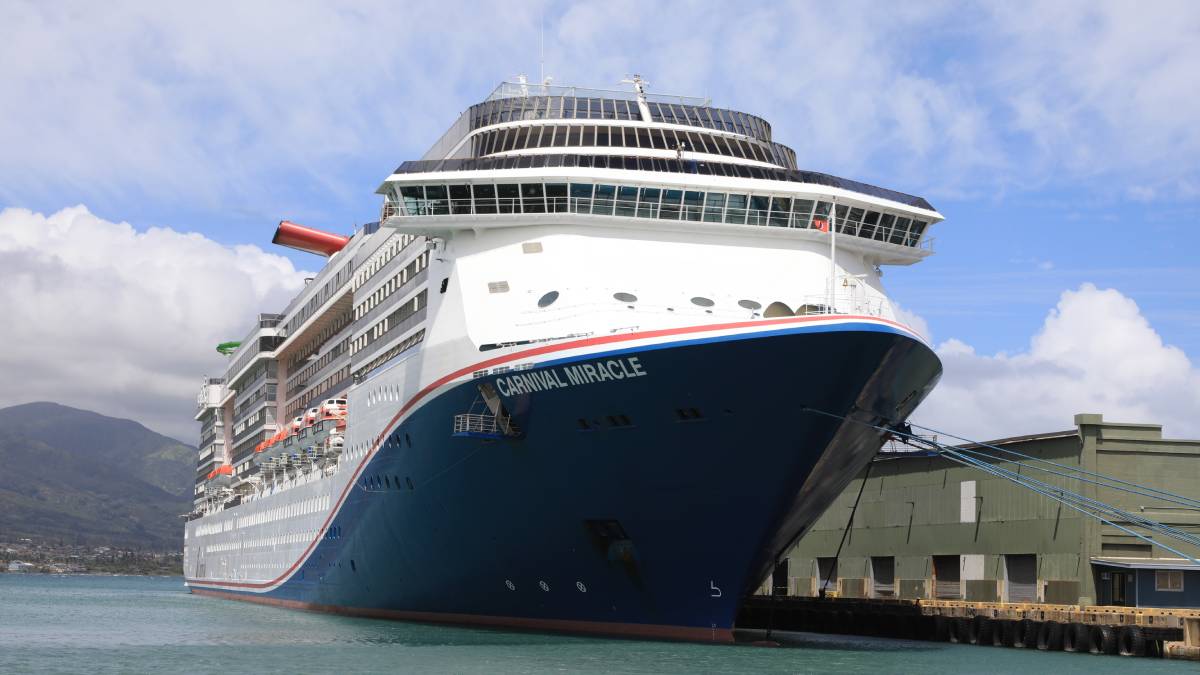
The idea is to attract more Hawaii cruise lines like Norwegian Cruise Line, Carnival, and Princess Cruises, known for their inter-island and trans-Pacific itineraries, to boost Hawaii’s tourism economy.
A legislative working group is currently exploring the potential impacts, costs, and benefits of gambling in the state.
Hawaii Regulations and Oversight Challenges
Opposition to the Hawaii cruise ship bill remains strong. Why?
The responsibility of overseeing this potentially lucrative new market would fall to the Department of Commerce and Consumer Affairs (DCCA). However, during recent hearings, the DCCA voiced concerns that they lack the equipment and expertise to effectively regulate gambling on cruise ships.
This echoes testimony from previous years about proposed online sports betting industries, highlighting ongoing challenges with resource allocation for regulatory oversight in Hawaii.
Despite the potential for increased revenue through taxes, HB 1945 has faced considerable opposition.
Critics fear the social harms and addiction risks associated with gambling, which are particularly poignant in a state with strong anti-gambling laws. Many local leaders and residents are concerned that legalizing gambling in any form might erode Hawaii's unique cultural and community values.
During the committee hearings, these concerns, combined with the DCCA's capability issues, led to a decision to defer the bill, effectively stalling its progress.

What’s Next for the Hawaii Cruise Ship Gambling Bill?
As of now, the future of HB 1945 remains uncertain.
Supporters see Hawaii cruise ship gambling as a way to boost the economy without resorting to onshore casinos, while opponents continue to voice concerns over regulatory burdens and potential societal impacts.
For now, the idea of placing a bet while cruising the Hawaiian coastline stays in legislative limbo. But no matter the outcome, the discussion itself reflects a shifting perspective on gambling in a state known for its stringent opposition.


