


Atlantic City casinos remained profitable during the second quarter of 2026, but the market’s bottom line continued to weaken. The city’s nine brick-and-mortar casino properties reported combined gross operating profit of $162.4 million from April through June, down 9.3% from the same period in 2025.
The figures show a growing concern for Atlantic City casinos: gaming activity may be holding up, but higher costs are making it harder for operators to turn revenue into profit.
When Caesars Interactive Entertainment New Jersey, an online-only operation, is included in the total, gross operating profit fell 10.1% year over year. Still, all nine casino properties finished the quarter in the black, a better result than the first quarter of 2026, when some operators reported losses.
The numbers may strengthen the argument for those wanting to expand casino options beyond America's Playground.

Only Two Casinos Improved
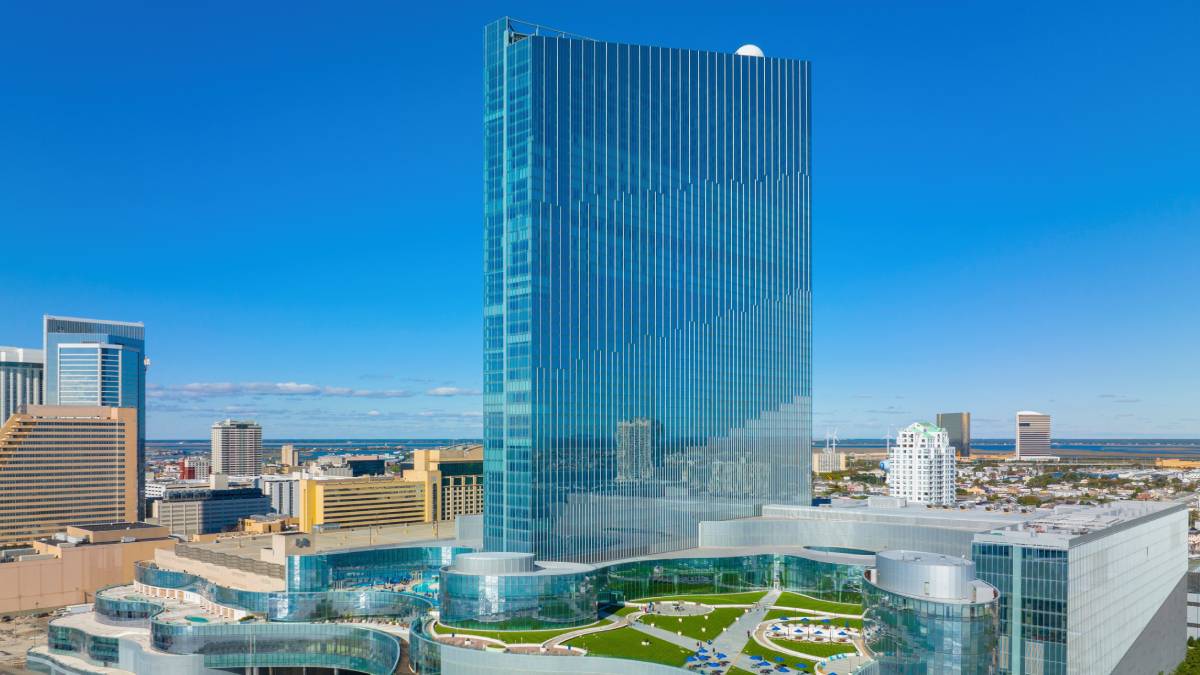
Ocean Casino Resort and Caesars Atlantic City were the only two properties to report higher operating profits compared with the second quarter of 2025. The other seven Atlantic City casinos saw their quarterly profits decline.
That result reinforces a trend that has been developing across the market. While some properties are finding ways to improve their financial performance, most are dealing with increased pressure on margins.
A Stockton University gaming analyst described the results as part of “a clear trend” toward lower profitability in Atlantic City’s casino industry. This occurred, even after the announcement that more housing units may be added near the Marina District.
What Gross Operating Profit Means
Gross operating profit, often called GOP, is a major measure of a casino’s operational health. It generally reflects earnings before interest, taxes, depreciation, amortization, affiliate charges, and certain other expenses.
In simple terms, GOP shows how much money an operator makes from running its casino, hotel, restaurants, entertainment venues, and other business lines before financing and accounting costs are included.
For Atlantic City casinos, a decline in GOP can happen even when gaming revenue remains steady. A casino may bring in strong slot, table game, hotel, or online gaming revenue, but rising expenses can reduce the amount left over as profit.
Revenue Is Not the Same as Profit
The current challenge for Atlantic City casinos is not necessarily a lack of customer demand. The market has produced encouraging revenue periods in 2026, including a strong July when total Atlantic City gaming revenue reached $678.1 million, up 11% year over year.
However, higher gross gaming revenue does not always lead to stronger operating income. Stockton University’s Brian Tyrrell noted that higher gaming returns do not automatically translate into gains in net gaming revenue or gross operating profit because the cost of doing business continues to rise.
For example, a casino might earn more from slot machines, hotel bookings, food and beverage sales, or internet gaming. But if labor, energy, supplies, maintenance, marketing, and other operating costs rise faster than revenue, profits can still fall.

First-Quarter Results Set the Tone
The second-quarter decline followed an even more difficult first quarter for Atlantic City casinos. Casino licensees reported first-quarter 2026 gross operating profit of $104.7 million, down 22.9% from the first quarter of 2025.
First-quarter net revenue was nearly flat year over year, which highlights the difference between top-line performance and operating profitability. In other words, revenue did not collapse, but expenses took a larger share of the money coming in.
The Q2 numbers were less severe than the first-quarter decline, but they still point to an industry facing long-term margin pressure.
Why Atlantic City Casinos Face Pressure
Several issues are affecting casino profitability in Atlantic City:
- Rising labor, utility, food, supply, and maintenance costs.
- Ongoing inflation that increases day-to-day operating expenses.
- Competition from nearby casinos and legal online gaming options.
- Future competition from planned New York City-area casino developments.
- Consumer spending pressure, especially for nonessential travel and entertainment.
- The need for continued investment in hotel rooms, gaming floors, restaurants, and amenities.
Atlantic City casinos have continued to invest in their properties to attract visitors and maintain market share. Those upgrades can support long-term growth, but they also add to near-term costs.
Outlook for the Atlantic City Market
Atlantic City’s casino market has shown that it can generate strong gaming revenue, especially during peak travel months and major events. Yet the Q2 2026 results show that revenue growth alone may not solve the industry’s profitability challenge.
The next key question is whether casino operators can control costs without reducing the guest experience. With more regional competition expected and operating expenses still elevated, Atlantic City casinos may need stronger hotel, dining, entertainment, and gaming results just to protect their margins.
For now, the second-quarter figures offer a mixed picture: all nine casino properties were profitable, but the market’s overall profit declined again. That gap between revenue and profit will remain one of the most important stories to watch in Atlantic City’s gaming industry through the rest of 2026.


