


Atlantic City’s hotel market may soon see a ripple effect from a major new housing proposal in the Marina District.
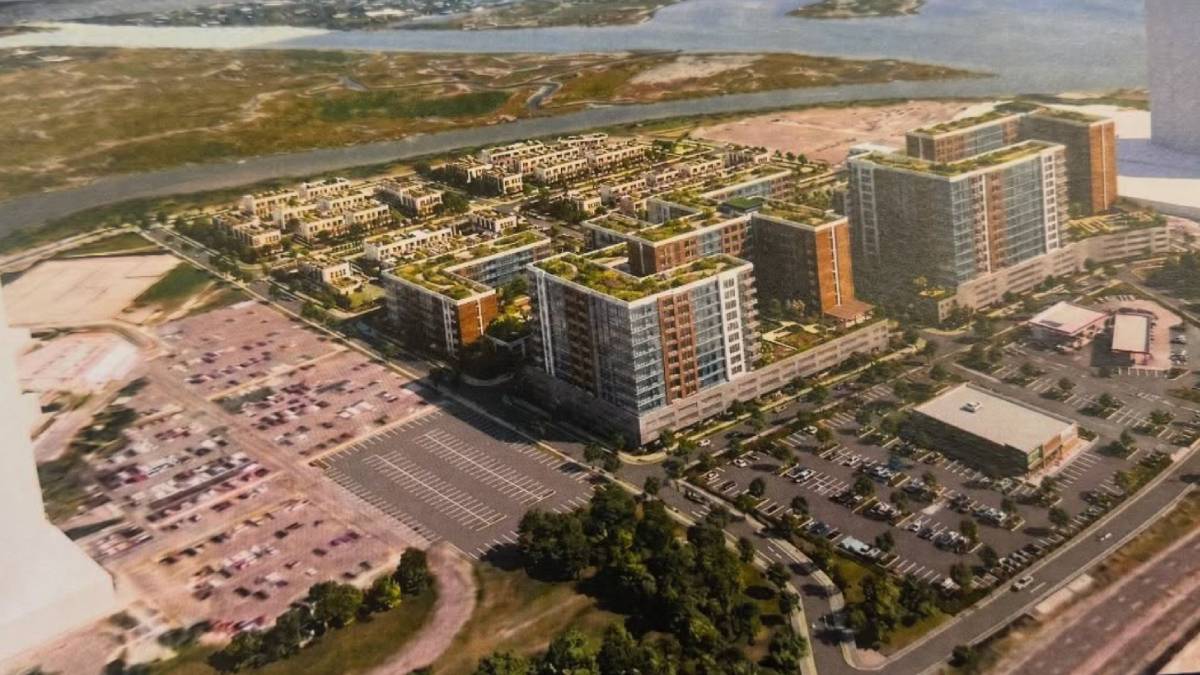
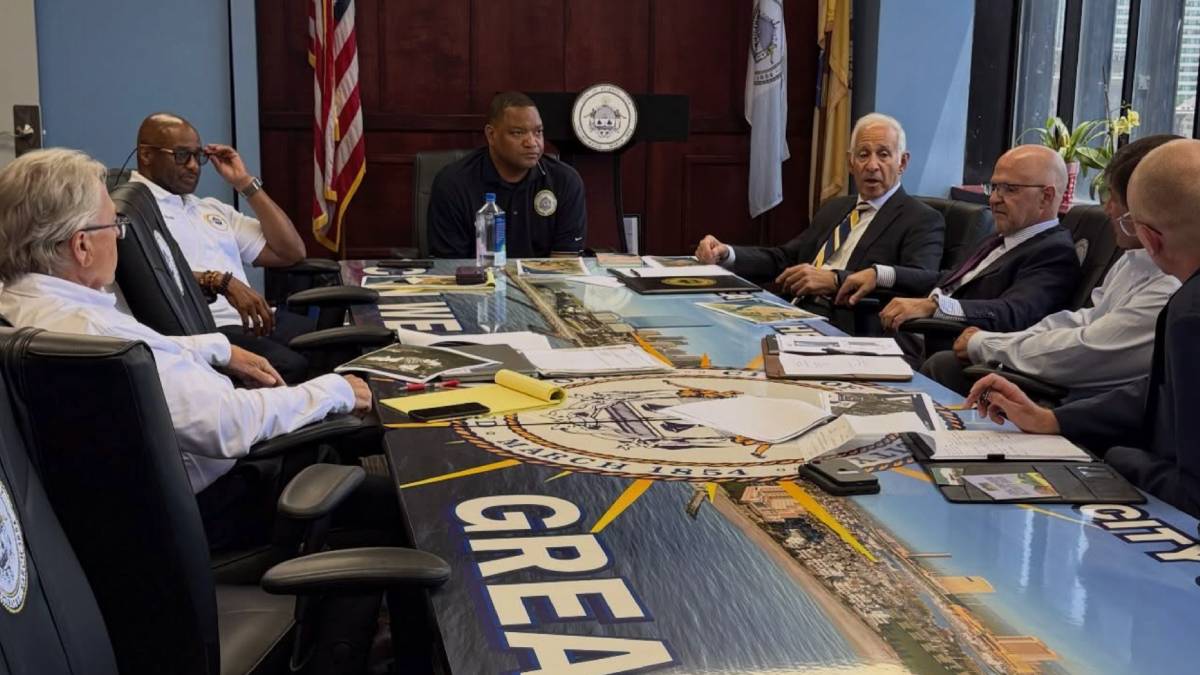
Mayor Marty Small Sr. recently revealed that MGM Resorts International is exploring residential development on long-vacant land near Borgata and Harrah’s. While still in early discussion stages, the plan could reshape how visitors and residents interact with Atlantic City hotels and the surrounding area.
The news comes just weeks after Barry Diller, who owns roughly 26.1% of MGM, proposed buying the remaining shares. The news also comes in the wake of a very positive online casino report from MGM.
New Jersey online casinos continue to be one of the top revenue generators in the country. In fact, BetMGM has officially relaunched its Borgata Online casino platform in New Jersey and Pennsylvania.

MGM’s Marina District Proposal
According to the mayor, MGM is considering three potential development options for its vacant land:
- Up to 1,800 residential units
- Around 1,000 units (the most emphasized option)
- Approximately 500 units
The site sits between Borgata Hotel Casino & Spa and Harrah’s Resort, two of the most popular hotels in Atlantic City's Marina District. The land, estimated between 35 and 70+ acres, has long been viewed as prime real estate.
While MGM has not publicly confirmed these plans, the proposal reflects renewed interest in developing land that was once considered for a major casino project. MGM also recently added a "Survivor 50" game to its online casino menu.
What This Means for Atlantic City Hotels
Although this is a residential project, it has clear implications for Atlantic City hotels and tourism:
- Increased demand for extended stays: More residents in the Marina District could drive demand for short-term accommodations, especially from visiting family and business travelers.
- Stronger local economy: A larger residential base supports nearby hotels, restaurants, and entertainment venues.
- Diversification beyond gaming: Atlantic City has been working to reduce reliance on casinos, and mixed-use development supports year-round visitation.
For hotels like Borgata and Harrah’s, nearby housing could create a more stable, community-driven environment rather than a purely tourist-focused district.
Atlantic City Housing Market Trends
This proposal aligns with broader housing trends in Atlantic City:
- Push for mixed-use development combining residential, retail, and entertainment
- Increased interest from national real estate developers
- City leadership prioritizing housing over new casino construction
The city hopes to attract year-round residents, second-home buyers, casino workers, and people in the growing healthcare field. The plan would also allow single-family homes to be built in the area for the first time.
Mayor Small has made it clear that new casinos are not part of the city’s future plans. Instead, developments like this aim to modernize Atlantic City’s economy and improve livability.
A Shift in Development Strategy
Historically, large parcels of land in Atlantic City were reserved for casino expansion. However, that strategy has shifted. Previous plans for MGM-owned land, including a proposed MGM Grand Atlantic City, never materialized.
Now, the focus is on:
- Residential growth
- Community infrastructure
- Long-term economic stability
This reflects a broader trend seen in other gaming markets, where cities balance tourism with sustainable urban development.
No Formal Plans Yet
It is important to note that MGM’s proposal is still in the early stages:
- No formal plans have been submitted
- No construction timeline has been announced
- No development partners have been confirmed
MGM is reportedly in discussions with national real estate developers, but the project could take years to finalize, if it moves forward at all.
Plan Would Add to Atlantic City Hotel Options for Travelers
For anyone searching for Atlantic City hotels, this development signals potential long-term changes:
- More vibrant neighborhoods beyond the Boardwalk
- Expanded dining, retail, and entertainment options
- Increased appeal for both short-term visitors and longer stays
If completed, the Marina District could evolve into a hybrid destination that blends resort-style tourism with residential living.


