


New information shows that Las Vegas tourism declined in August, and lower hotel prices were not enough to reverse the slowdown. Visitor volume fell to about 3.03 million, a 4.3% drop from August 2025, while hotel occupancy and room revenue also weakened across the market.
The latest figures add to concerns about a broader Las Vegas tourism decline, particularly during the midweek period. Although convention attendance increased and Strip casino revenue held mostly steady, Las Vegas hotels faced softer demand even after average room rates fell.
The news is a bit surprising since it appeared things were turning around in July. But analysts are still hoping for an improvement by year's end.

Las Vegas Tourism Falls to 3.03 Million Visitors
The Las Vegas Convention and Visitors Authority reported that approximately 3.03 million people visited Southern Nevada in August. That was down from roughly 3.17 million visitors during the same month last year.
One major factor was the calendar. In 2025, Labor Day fell on Sept. 1, pushing much of the holiday travel period into late August. In 2026, Labor Day fell on Sept. 7, leaving August without the same holiday-weekend boost.
Still, the numbers point to a more challenging environment for the destination. Passenger traffic at Harry Reid International Airport dropped about 9% year over year, signaling weaker air travel demand into Las Vegas.
Las Vegas Hotels Cut Room Rates
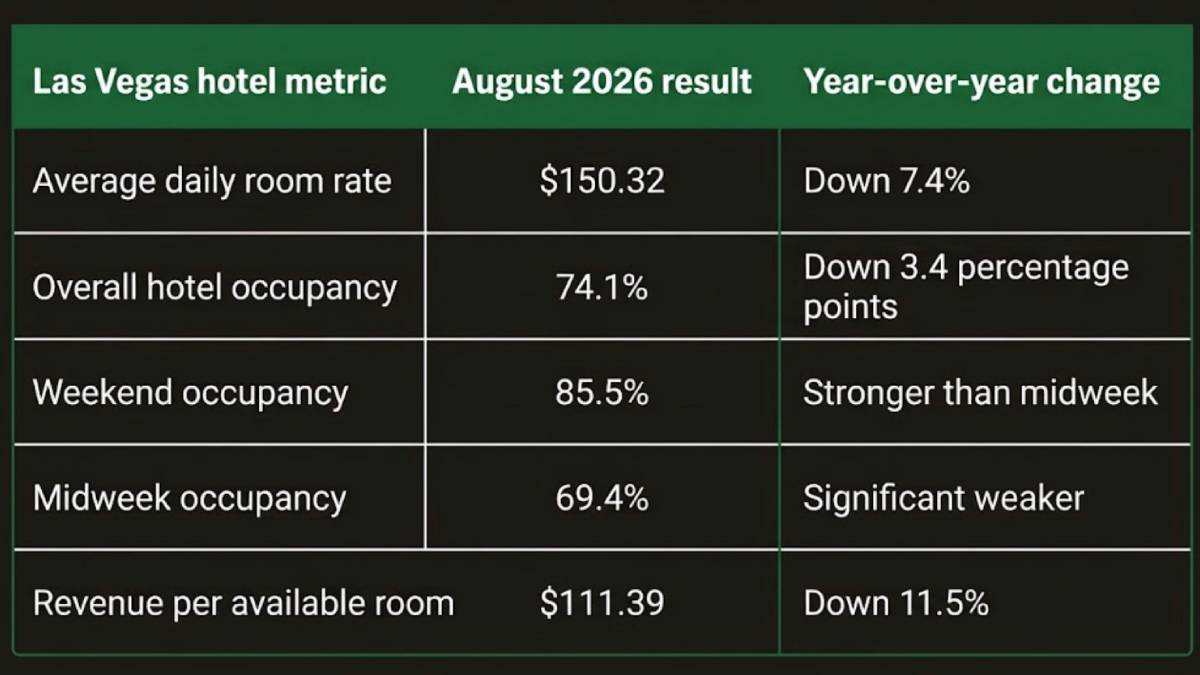
Las Vegas hotels responded to softer demand with lower room prices. The citywide average daily room rate fell 7.4% from August 2025 to $150.32. On the Las Vegas Strip, the average daily rate was $153.15.
Despite those lower rates, hotel occupancy declined to 74.1%, down 3.4 percentage points from the prior year. The data suggests that lower pricing alone did not persuade enough travelers to book a Las Vegas getaway in August.
That divide matters because resorts depend on steady room demand throughout the week, not only on Friday and Saturday nights. Lower midweek occupancy can pressure hotel revenue, restaurant traffic, entertainment spending, and other on-property purchases.
Lower Prices Have Not Solved Value Concerns
The August data shows that room prices are only one part of the value equation for visitors. Travelers may see lower advertised rates, but the total cost of a Las Vegas trip can rise after resort fees, parking charges, meals, drinks, entertainment, and transportation are added.
Hotels filled about 134,400 fewer room nights than in August 2025, while revenue per available room fell 11.5% to $111.39. That decline suggests resorts were earning less from their available inventory even as they reduced rates to attract visitors.
Downtown Las Vegas faced a particularly difficult month. Average room rates were $85.68, but occupancy was just 53%, according to the August report.
For Las Vegas hotels, the problem is not simply whether rates are lower. It is whether the total visitor experience feels affordable enough to justify a trip, especially for budget-conscious travelers deciding between Las Vegas and other leisure destinations.
Conventions Provide a Positive Sign
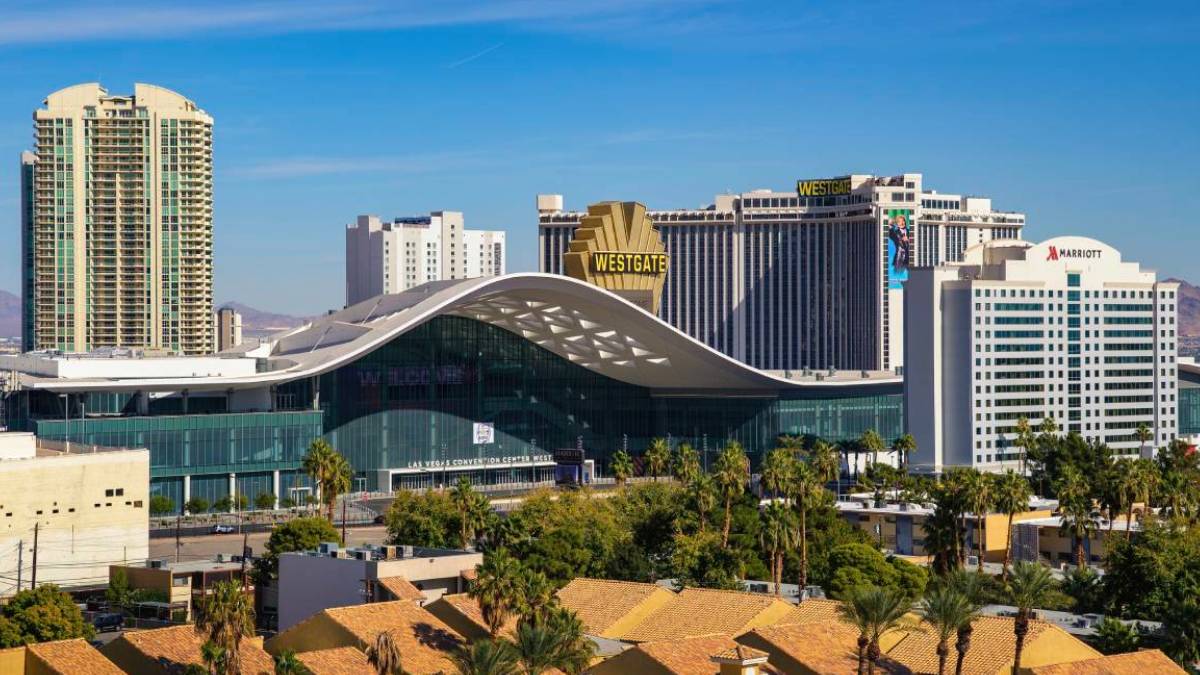
Not every tourism measure was down. Convention attendance rose 6% year over year to about 622,700 visitors. The increase was partly linked to event scheduling changes, including the CHAMPS trade show moving from July into August.
Convention travel can help offset weaker leisure demand because business travelers book hotel rooms, dine at resorts, attend events, and often extend trips around work commitments. The convention segment was one of the few bright spots in the August tourism report.
However, stronger convention attendance did not fully offset the broader decline in visitor volume or hotel occupancy.

Casino Revenue Remains Mostly Flat
Gaming revenue on the Las Vegas Strip was largely unchanged despite the tourism slowdown. Strip casinos generated $684.1 million in gross gaming revenue during August, a 0.7% increase from a year earlier.
The result was supported by a strong baccarat performance, even as several other gaming categories declined. Statewide gaming revenue rose 3.1% to $1.26 billion, but downtown Las Vegas gaming revenue fell 3% to $61.5 million.
The numbers show that casino revenue does not always move directly with visitor volume. High-end customers, major convention groups, and changes in table-game hold can support gaming totals even when fewer people visit Las Vegas overall.
What the Las Vegas Tourism Decline Means
The August report does not necessarily mean Las Vegas is entering a long-term downturn. The Labor Day calendar shift clearly affected year-over-year comparisons, and the city continues to benefit from a busy convention schedule and resilient casino revenue.
But the data does raise questions about whether Las Vegas hotels and resorts can bring back price-sensitive leisure travelers. Lower room rates did not produce a meaningful occupancy rebound in August, especially during the week.
Resort operators and tourism officials will likely continue emphasizing discounts, package offers, entertainment promotions, and value-focused messaging. The challenge will be convincing travelers that a Las Vegas trip offers a better overall value than competing destinations once all costs are considered.
For now, the August figures show a clear split: Las Vegas conventions are growing, Strip gaming revenue is stable, but hotel demand and total visitor volume remain under pressure.


