


In Annapolis, Maryland, lawmakers are considering significant changes to gambling in the state.
A new bill proposes establishing Maryland online casinos, making table games like blackjack and poker available over the internet. This idea is fueling a heated debate among supporters and opponents.
The Senate Budget and Taxation Committee held a hearing on the bill, where many were in support and many spoke out against it. Maryland Senator Ron Watson, who introduced the bill, addressed these concerns in hopes of convincing the committee to advance the bill in the near future.
The Push for Maryland Online Casinos
Senator Watson is leading the charge with three bills aimed at launching Maryland online casinos.
For years, he’s been advocating for internet gaming, or iGaming, to help address Maryland's $1.5 billion budget deficit. Watson highlights that neighboring states like Delaware and Virginia are embracing online gambling, and he believes Maryland should follow suit.
The main bill in Watson's package, SB 855, intends to legalize a wide range of games for Maryland online casinos. Revenue from this initiative would support several important areas:
- 1% for Problem Gambling programs
- 1% for Maryland's Lottery and Gaming Commission
- 5% for local education authorities
The remainder would fund Maryland's Blueprint for Education.
Separate Bills for Poker and Voting Make Up the Package
Two additional bills are part of Watson’s efforts to promote Maryland online casinos:
SB 884 — Multistate Online Poker and Skill-Based Gaming
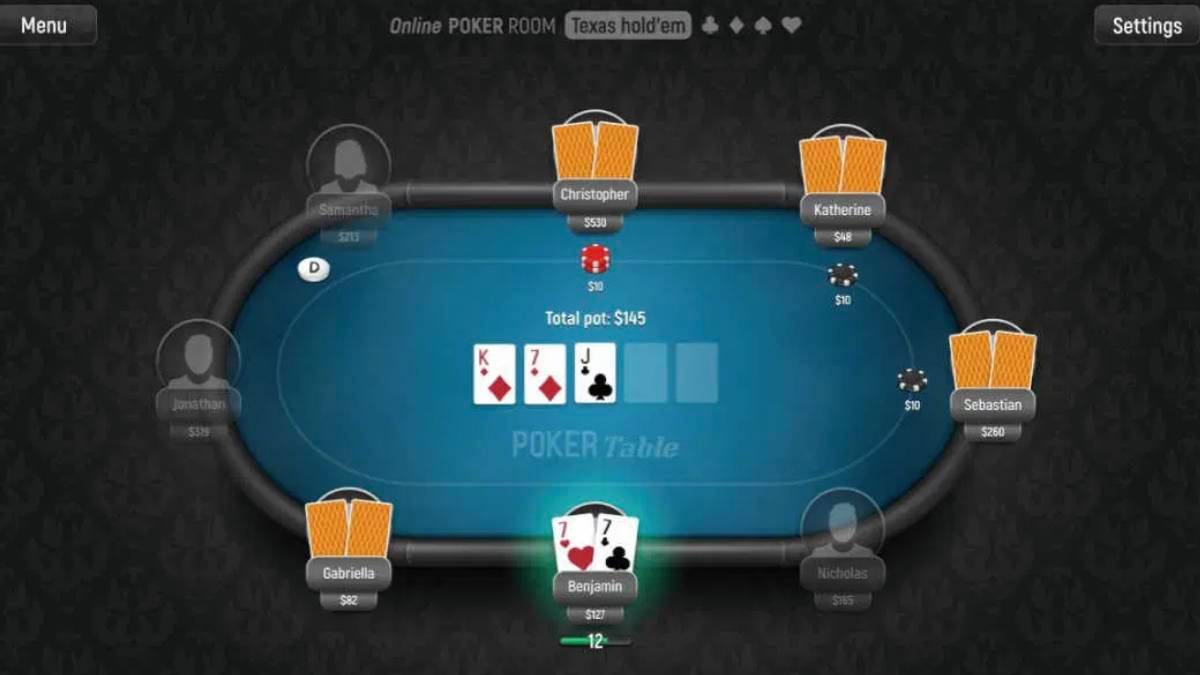
This bill focuses specifically on online poker, treating it as "skill-based gaming" within the Maryland online casinos framework. It establishes a separate licensing system with several key points:
- Standalone internet skill-based licenses, explicitly including poker
- A $1 million license fee ($500,000 for minority-owned operators)
- Operators keep the 70% of proceeds
SB 884 includes strict deposit limits and responsible gaming measures, and allows Maryland to form agreements with other states, enabling multi-jurisdictional online poker games as part of the Maryland online casinos venture.
SB 761 — Statewide Referendum
Maryland law requires voter approval for gambling expansions, so SB 761 would ask residents about their support. If the other bills pass the legislature, this one will place the question of Maryland online casinos on the November 2026 ballot. It asks voters whether they favor expanding commercial gaming in Maryland primarily to fund public education.

Opposition from Worcester County
Although supporters assert that Maryland online casinos could increase revenue without raising taxes. They cite Pennsylvania's experience, where online gaming increased gambling revenues by 10%.
But people in Worcester County, including those from Ocean Downs Casino, oppose the Maryland online casinos bills. They worry that online gaming will draw customers away from land-based casinos, causing economic damage and potential job losses.
Bobbi Jones, General Manager of Ocean Downs Casino, argues that Maryland online casinos would move gambling into private settings, reducing community-focused investments made by physical casinos. Eric Fiori, Worcester County Commission Vice President, highlighted Ocean Downs' significant local contributions totaling $46 million.
Broader concerns include:
- Increased problem gambling
- Job losses in traditional casinos
- Negative effects on communities reliant on casino tourism
So, not everyone is on board.

The Legislative Journey Ahead
Watson's proposals, including the key Maryland online casinos bills SB 855, SB 884, and SB 761, are under review by the Budget and Taxation Committee.
Their success hinges on addressing issues like job displacement, economic impacts, and responsible gaming while highlighting the potential financial benefits.
The ongoing debate over introducing Maryland online casinos involves complex issues related to economic interests, community concerns, and financial challenges. As policymakers prepare for upcoming hearings, the future of Maryland online casinos hangs in the balance, with various stakeholders eager to influence the decision.


