


Maryland's 2026 legislative session ended on April 13. Before it did, two important bills were introduced: House Bill 295 (HB 295) and House Bill 1226 (HB 1226).
These bills aimed to tackle the issue of sweepstakes casinos, a type of online gambling platform operating without a proper state license. Often referred to as "dual-currency online gaming sites," these platforms exist in a legal gray area, allowing people to gamble for real money.
The bills were designed to help the state move towards better regulation of online gambling and protect its residents. However, this won't happen, at least not this year.
The news comes just weeks after lawmakers in"The Old Line State" failed to get a legal online casino bill across the finish line.

What Are Sweepstakes Casinos?
Maryland has legal retail and online sports betting (launched in 2022) and brick-and-mortar casinos, but real-money online casinos (iGaming) remain illegal. Sweepstakes casino sites offer games that look like online slots and table games but use a "dual-currency" model:
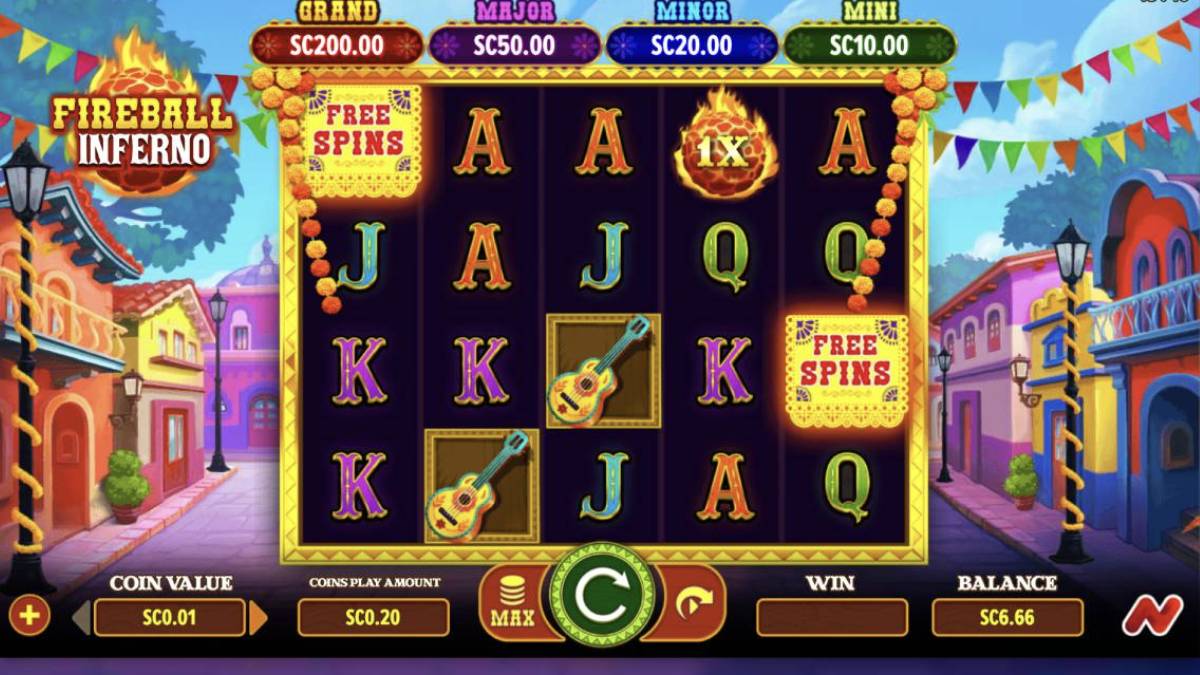
- Players receive free "sweeps coins" or similar virtual currency that can be used to play games, giving them a chance to win prizes redeemable for cash or cash equivalents.
- They often pair this with purchasable "gold coins" or other currencies for play.
Proponents argue this setup makes them more like promotions or contests rather than direct gambling, thus allowing them to operate in states where real-money online casinos are not fully legalized or regulated.
Sweepstakes sites have stepped into this gap, raising concerns from regulators about unregulated competition, consumer protection, and lost tax revenue for the state. The Maryland Lottery and Gaming Control Agency (MLGCA) supported efforts to restrict these platforms.
Details on the Maryland Sweepstakes Casino Bills
HB 295: Sponsored and reported by the House Ways and Means Committee at the request of the MLGCA, and backed by Gov. Wes Moore. It aimed to create a new prohibition on "interactive games," defined as online or mobile games using multiple currency systems that simulate casino-style gaming, lotteries, or sports wagering. It directly targeted the dual-currency model and included some reporting requirements for licensed gaming entities. It passed the House on March 20, 2026, by a 105-24 vote.
HB 1226: Known as the "Maryland Illegal Online Gambling Enforcement Act," this bill was broader and focused on enforcement. It sought to prohibit operating, offering, promoting, or knowingly supporting "illegal online gambling," including sweepstakes-style operations not expressly authorized by law. It treated violations as unfair/deceptive trade practices under consumer protection laws, allowed actions by the Attorney General, and included penalties like fines or imprisonment. It didn't apply to already-licensed sports wagering or fantasy sports. It passed the House on March 23, 2026, by a strong 134-2 vote.
Both bills passed the Democrat-controlled House with solid (though not identical) support before the "crossover" deadline, but they were referred to the Senate Budget and Taxation Committee. Neither received a vote nor advanced out of that committee before the session ended on April 13, 2026.
As a result, existing sweepstakes casino sites can continue operating in Maryland for now, subject to any general gambling laws. The issue is expected to be revisited in the 2027 legislative session, which runs January through April. Real-money online casinos remain illegal in Maryland, facing their own hurdles.

Why Did They Stall in the Senate?
Reports suggest that there was pressure due to the timing after the House crossover deadline, combined with the Senate committee's schedule and other competing priorities.
Maryland is one of several states debating restrictions on this model in 2025–2026, as regulators see it blurring the line with unlicensed gambling.
Despite the House's interest in tightening rules on these sites, the Senate did not act before adjournment. This means another year of the status quo for sweepstakes sites in Maryland, and lawmakers, the MLGCA, and industry stakeholders will likely regroup for 2027.


