


The world of online betting has expanded far beyond just sports and horse races.
Today, prediction markets allow people to place bets on real-world events, from political decisions to international conflicts. However, this has led to concerns about fairness and integrity—issues that the newly introduced BETS OFF Act aims to tackle.
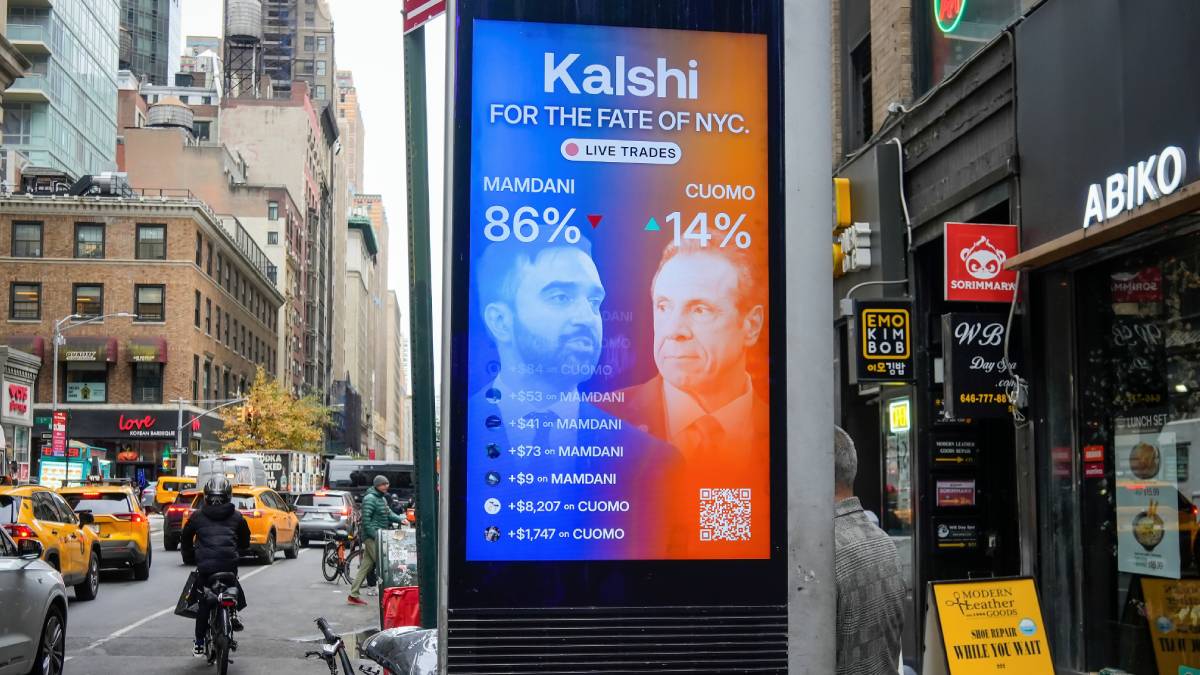
Officially known as the Banning Event Trading on Sensitive Operations and Federal Functions Act, the BETS OFF Act is a bill that was just introduced by Sen. Chris Murphy from Connecticut and Rep. Greg Casar from Texas. Both are Democrats working across the Senate and the House to limit certain types of betting activities on online platforms like Polymarket, Kalshi,Fanatics Markets, or Prophetx.
Users buy "yes" or "no" contracts, reflecting the collective beliefs about an event's likelihood.
Murphy wants to limit the betting opportunities that he calls "ripe for rigging."

Why Does The Bets Off Act Matter?
Prediction markets function somewhat like financial trading platforms where people use contracts to bet on the outcome of events. While this can be an exciting twist on traditional gambling, it also opens the door for manipulation.
Imagine if someone knew in advance about a secret government decision or a military operation. They could place bets based on insider information, leading to corruption and unfair advantages.
So, the BETS OFF Act seeks to prevent these potential pitfalls by banning bets on:
- Government Actions or Decisions: This includes non-financial actions such as new policies or military operations. Making profit through betting on such events when armed with insider knowledge is a significant concern.
- Sensitive Events Like Terrorism and Assassination: Allowing people to bet on tragic events raises ethical questions and could incentivize harmful behavior.
- Outcomes Controlled by a Single Entity: For instance, betting on a decision that one person or a small group can influence directly is risky. This could even apply to non-governmental scenarios, like award ceremonies, if they can be manipulated from the inside.
The primary objective is to stop what the sponsors refer to as insider trading, corruption, manipulation, and the creation of perverse incentives, especially when it involves government officials or individuals with advance knowledge.
According to Murphy, new polling from Data for Progress found that a majority of voters – including 61% of independents, and 57% of Republicans – support banning wagers on potential government actions, while some 80% of voters oppose betting markets on terrorism or political assassinations.
In fact, the Discouraging Exploitative Assassination, Tragedy, and Harm Betting In Event Trading Systems (Death Bets) Act is already circulating. It was introduced by California Representative Mike Levin.
Why Now?
The introduction of the BETS OFF Act comes amid increasing scrutiny over prediction markets. From the tribal gaming industry to FanDuel's decision to leave the Nevada market, they are not without controversy.
Recent instances, such as suspiciously timed bets around U.S. military actions, have raised red flags. There have also been allegations involving people close to the Trump administration potentially profiting from inside knowledge of geopolitical events.
As of now, the bill is still very new, and its future is uncertain.
For it to become law, it would need support from both Democrats and Republicans. Sen. Murphy and Rep. Casar hope that the bipartisan concern over insider trading will help the bill gain traction.

What's Next for the Bill?
The BETS OFF Act does not seek to eliminate all forms of prediction markets.
Instead, it targets those events that are particularly sensitive or susceptible to manipulation. While the act focuses on preventing corruption and insider trading, it leaves room for safer forms of betting, such as those related to sports or certain elections, unless they fall into the same manipulative category.
In a world where technology and information access are reshaping industries, the BETS OFF Act represents a step towards balancing innovation with protection and fairness. Whether this bill will pass the necessary legislative processes remains to be seen, but it has certainly sparked an important conversation about ethics in the digital age.


