


A recent legislative effort to reverse controversial changes to U.S. federal tax rules on gambling losses has encountered a roadblock.
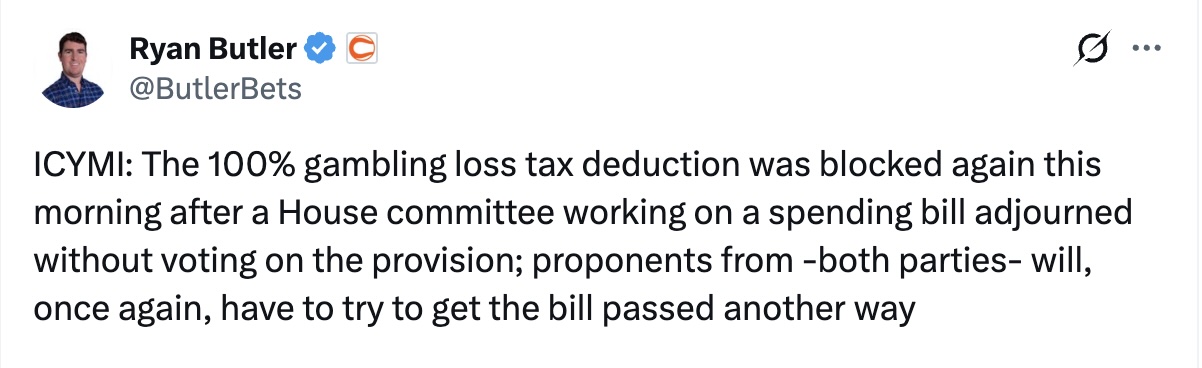
An amendment to H.R. 7148 —a consolidated appropriations bill meant to fund federal operations through September 2026— failed to gain traction in the House Rules Committee.
The amendment sought to restore gamblers' ability to fully deduct their losses against winnings, a practice altered by the One Big Beautiful Bill Act (OBBBA).
Despite bipartisan support, this attempt was not approved for a vote, leaving the gambling community grappling with the ongoing impact of the OBBBA.
The new gambling tax went into effect on New Year's Day and is already having a significant impact on the entire industry. Some professional gamblers have even come out against the amendment, calling for its reversal.
The latest news comes on the heels of a decision by the House Rules Committee to block another attempt to repeal the new law. On top of that, Senator James Lankford, a prominent member of the Senate Finance Committee, recently announced that he is openly opposed to efforts to reverse the tax policy.
So, an uphill climb was expected.

The Impact of the One Big Beautiful Bill Act
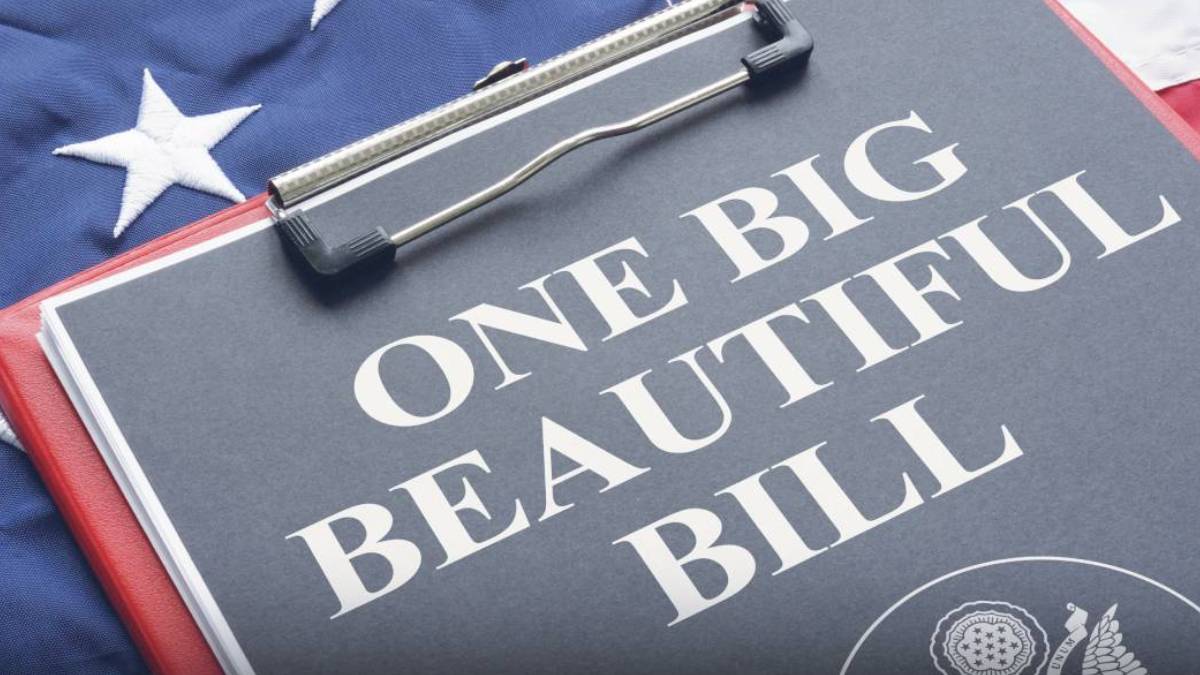
Signed into law by President Trump on July 4, 2025, the OBBBA introduced a big change to Internal Revenue Code Section 165(d).
Starting with the 2026 tax year, gamblers can now only deduct 90% of their wagering losses against their winnings, a reduction from the previous 100% limit. This change creates what's been termed "phantom" or "ghost" income, taxing money that gamblers never actually retained.
Analysts estimate this 10% reduction could add about $1.1 billion to federal revenue over several years, a key reason for its support amidst budgetary considerations.
Efforts to Repeal the Gambling Tax Change
Rep. Dina Titus (D-NV), a stalwart advocate for the gambling community, introduced the FAIR BET Act (Fair Accounting for Income Realized from Betting Earnings Taxation) to reinstate the full 100% loss deduction.
This effort signifies a push to restore fairness by ensuring tax liability aligns with economic reality. Similar initiatives, like the FULL HOUSE Act led by Congressman Steven Horsford and Rep. Max Miller and various Senate efforts, aim to reverse the OBBBA's changes.
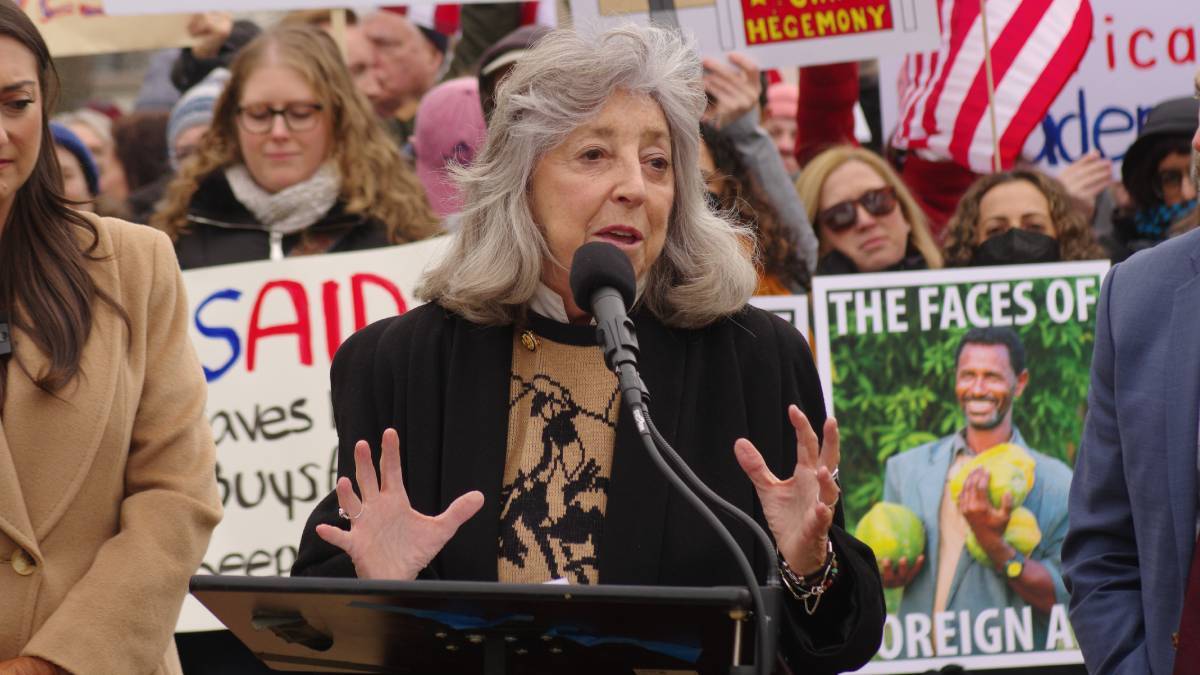
During her appearance before the House Rules Committee, Titus emphasized the unfair nature of taxing people on money they haven't actually gained.
Despite her arguments and the support of 25 bipartisan co-sponsors, the amendment was not moved forward for a vote. This marks another unsuccessful attempt, following previous efforts to attach similar amendments to must-pass bills, like the National Defense Authorization Act.
Future Prospects for Change
With the 90% deduction limit now in effect for 2026 tax filings, gamblers must navigate a tax environment that treats at least 10% of their reported winnings as taxable income, despite breaking even.
While the push for legislative change remains strong, the path forward is challenging due to revenue concerns and emerging opposition from some Senate members.
For gamblers affected by this policy, staying informed about legislative efforts is crucial.
While no standalone bill has succeeded in reversing the changes, the ongoing bipartisan dialogue suggests that advocates may find new opportunities in future tax or spending legislative sessions.
Maintaining awareness of proposals like the FAIR BET Act and the FULL HOUSE Act will be essential for those hopeful for a more equitable tax treatment of their gambling activities.


