


Indiana lawmakers are moving the hoop to get a casino deal in the Hoosier State.
House Bill 1038, which could reshape Indiana's gaming industry, is making progress and catching many people's attention—but not in its original form.
The Senate Committee on Appropriations just approved an amended version of the bill after some debate and changes. This bill, focused on relocating a casino to northeast Indiana, would change.
Instead of simply moving the Rising Star Casino from its current location, a new casino license would be created. One of the four potential locations (Wayne County) was also removed.
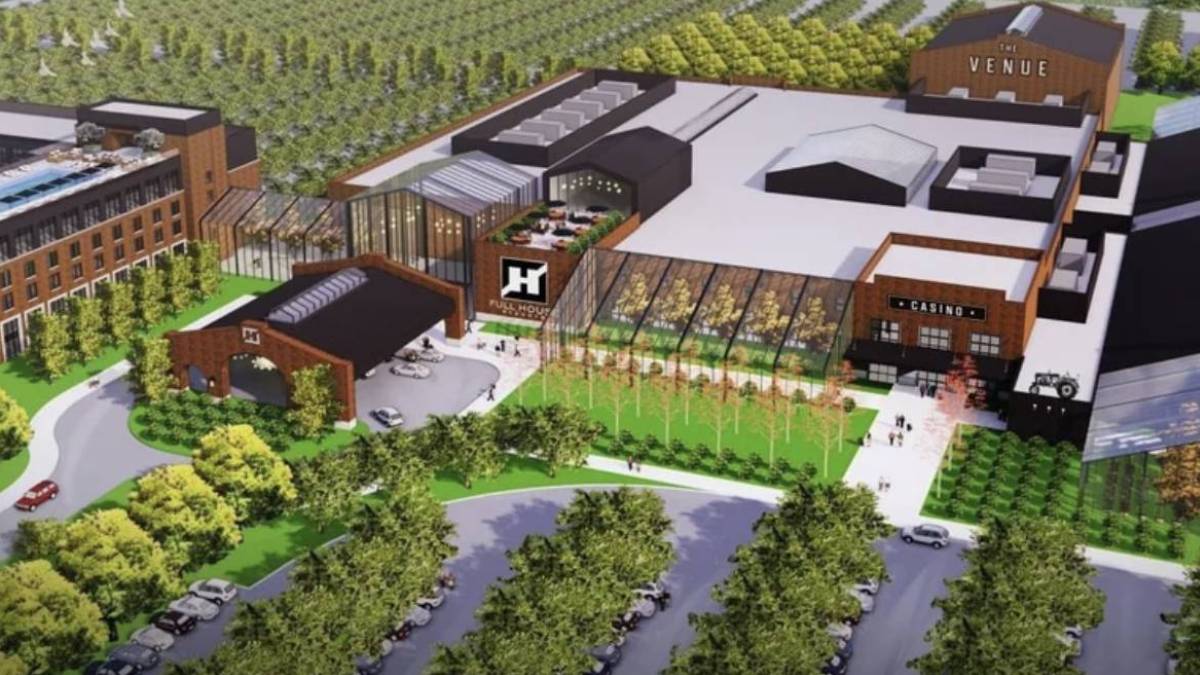
The amended bill now heads to the full Indiana Senate, where further changes could be made.
Some senators have expressed interest in reintroducing counties like Marion (which includes Indianapolis) or Wayne into the bill. After the Senate, the bill will need to go back to the House and then to the governor for final approval.
All of this is happening while online casinos remain illegal in Indiana, but sweepstakes casinos are an option.

Key Changes in House Bill 1038
All of this is happening because the new casino, wherever it ends up, is expected to boost economic development while maintaining a balanced gaming scene across the state.
Amending HB 1038 could significantly alter Indiana's gaming industry. These changes aim to strike a balance between economic expansion and maintaining the competitive landscape for existing casinos.
Key Changes in the Bill:
- Focus on Three Counties: Initially, the bill provided four potential locations for the new casino, including Allen, DeKalb, Steuben, and Wayne counties. However, Wayne County was removed from consideration, narrowing the focus to Allen, DeKalb, and Steuben counties in northeast Indiana.
- New Licensing Strategy: Rather than just relocating the Rising Star Casino from its current location, the proposal involves creating an entirely new casino license. This approach makes use of unused horse racing-related licenses, ensuring there's no increase in the total number of statewide gaming licenses.
- Balancing Competition: The bill aims to prevent any negative impact on existing casinos, especially those supporting horse racing in places like Shelbyville and Anderson.
- Targeting Northeast Indiana: By looking at potential sites in northeast Indiana, the bill seeks to capture gaming revenue that currently flows to nearby Michigan casinos.
These strategic changes are designed to foster growth in key areas while safeguarding the interests of current gaming facilities. Supporters say it highlights the state's commitment to thoughtful expansion in its gaming sector.

Economic Potential For New Indiana Casino
The economic impact of a proposed new casino in northeast Indiana is a key driver behind the legislation. It's important to note that it would be located miles away from the Hard Rock Casino Indiana, which is in the northwest part of the state.
Proponents highlight significant potential benefits for jobs, tax revenue, tourism, and regional development, particularly in an area where much current gambling spending leaks to nearby Michigan and Ohio casinos.

Here's a breakdown:
- Gross Gaming Revenue (AGR/Annual Revenue): Around $204 million annually (from the 2025 state study for a northeast proxy site near Fort Wayne/DeKalb). Some local estimates reference over $200 million in broader economic activity.
- Tax Revenue:
- State-level: Approximately $60–61 million per year (gaming taxes, wagering taxes, etc.).
- Local/regional: $25–40 million+ annually, including $28 million in local wagering and supplemental taxes for Allen County, plus property taxes and other fees (around $14 million to various local units).
- Total combined (state + local): Often cited as over $100–107 million annually in some analyses.

- Job Creation
- Direct casino jobs: About 947 (full-time equivalent once stabilized, typically year 3 of operations).
- Indirect/induced jobs: Around 729 (from suppliers, tourism, etc.).
- Construction phase: Nearly 2,500 temporary jobs during the multi-year build-out.
- Capital Investment: A required minimum of $500 million for the casino and non-gaming amenities (e.g., hotel, entertainment), providing a major one-time economic boost through construction spending and related activity.
A new casino could require at least $500 million in funding.
If HB 1038 advances, it promises to bring new opportunities and economic growth for the state. There is a lot that still has to happen before a final vote.


