


In a bold move reflecting both ambition and caution, leaders and lawmakers in Indianapolis are rallying behind a proposal to establish the city’s first full-scale casino.
At the forefront of this initiative is Senator Aaron Freeman, who is preparing to introduce an enabling bill in the Indiana legislative session. This proposal, although encountering some resistance, promises significant economic advantages if realized.
“I just want it to be a discussion and to be able to work with the House and hear what they think about where this casino should go,” Freeman told WRTV. “I just want Indianapolis to have its opportunity to be in the mix.”
This discussion is just beginning, as talks continue about a new casino being built near Fort Wayne. In fact, a new bill was recently introduced.

Freeman's Vision for Economic Growth
Freeman's proposal is not a fixed plan, but rather a call to action—an invitation for dialogue with fellow legislators.
His goal is to strategically position the casino to maximize its potential benefits for Indianapolis and, by extension, the entire state of Indiana. He argues that the absence of a casino in the capital is a missed opportunity in Indiana’s gaming strategy, which should be centered on revenue generation.
Support for the proposal crosses party lines, with notable Democratic figures like Senator Greg Taylor joining the chorus. They view the casino as a substantial economic development opportunity for the state.
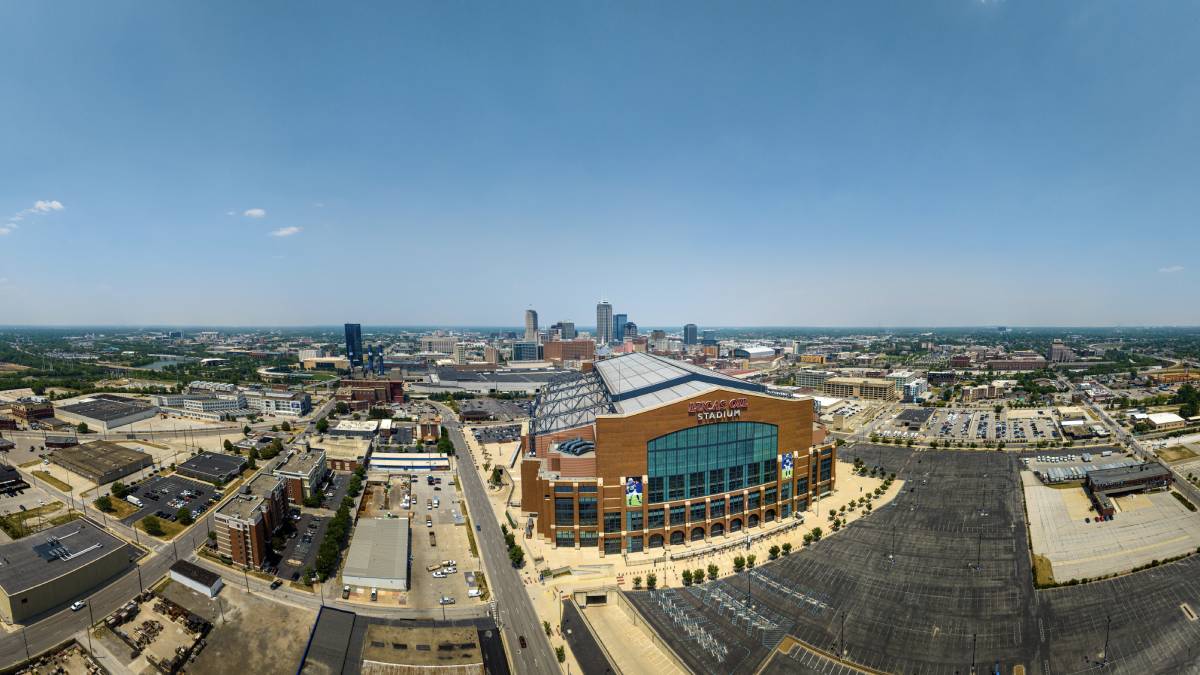
High-profile backers such as Visit Indy and the Hogsett administration have transitioned from preliminary discussions after the 2025 session to full-fledged advocates. They envision the Indianapolis casino as a valuable addition to the city’s vibrant convention and sports landscape, which already includes the Indiana Convention Center and Lucas Oil Stadium.
Projecting the Economic Impact
Economic forecasts add weight to their advocacy.
A study conducted by Spectrum Gaming Group for the Indiana Gaming Commission highlights the lucrative potential of an Indianapolis casino, predicting around $490 million in annual gaming revenue and $170 million in tax receipts.
These figures are significantly higher than those projected for a proposed casino in northeast Indiana. However, the analysis also warns of potential revenue diversion from existing casinos, particularly those in Anderson and Shelbyville.
| Aspect | Downtown Indianapolis casino | Northeast / Fort Wayne‑area option |
|---|---|---|
| Estimated annual gaming revenue | About million in GGR. | Substantially lower than Indy; under half as much. |
| Estimated annual tax receipts | About million to the state. | Roughly half or less of Indy’s tax potential. |
| Estimated cannibalization | Around million pulled from other IN casinos. | About million shifted from other casinos. |
| Primary political concern | Strong revenue but heavy hit to existing operators. | Lower revenue but more politically palatable. |
Potential sites being considered include surface parking lots near Lucas Oil Stadium and parts of Pan Am Plaza, presenting an exciting prospect for integrating new development with existing sports and event facilities.
The Capital Improvement Board, along with tourism leaders, sees potential not only in creating a gaming destination, but also in funding upgrades to existing venues, such as Lucas Oil Stadium or a prospective soccer stadium.
Navigating Political and Social Challenges
Yet, the proposal for an Indianapolis casino is not without its challenges.
House Speaker Todd Huston has voiced skepticism, suggesting that rather than adding a casino in central Indiana, efforts should be directed toward expansion in northeast regions like Allen County. Additionally, some Indianapolis residents and problem-gambling advocates have raised concerns about the potential social costs, particularly gambling addiction and its broader impacts.
While Freeman’s proposition is anchored in a compelling economic narrative and enjoys bipartisan support, it must still navigate significant political hurdles. Issues such as cannibalization and social welfare present substantial risks, giving opponents room to delay or modify the bill.
As discussions continue, the proposal remains a hot topic—poised either to transform Indianapolis’s economic landscape or to serve as a lesson in the complexities of state-level gaming politics.


