


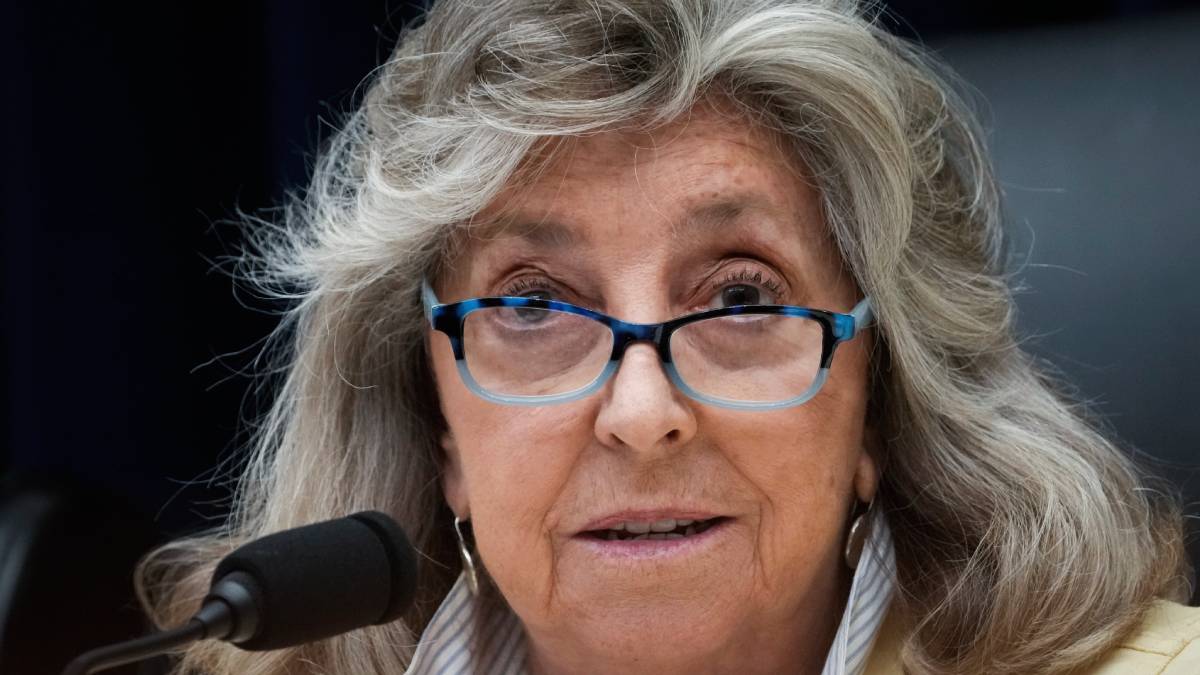
Rep. Dina Titus continues to fight the good fight against the Big Beautiful Bill gambling tax. The Nevada lawmaker is stepping up for the gaming industry and gamblers everywhere by filing a discharge petition aimed at overturning the tax.
This innovative but challenging legislative maneuver seeks to address what many see as an unfair tax burden on gamblers and the gaming industry.
Titus's actions come just weeks after a consolidated appropriations bill, meant to fund federal operations through September 2026, failed to gain traction in the House Rules Committee.

The Big Beautiful Bill Gambling Tax: A Closer Look
In July, the One Big Beautiful Bill Act, often called the Big Beautiful Bill, was signed into law by President Donald Trump.
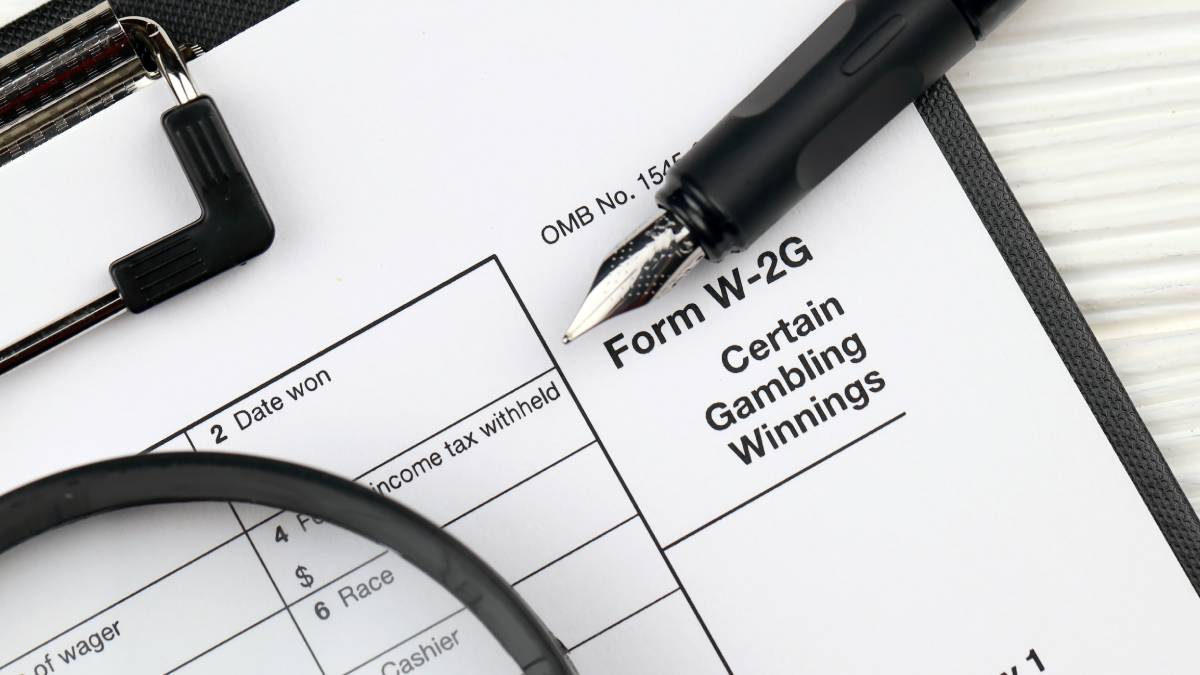
While primarily known for extending various tax cuts, the bill also included a controversial provision affecting gamblers. This amendment limited the deduction for gambling losses to 90% of losses, affecting tax filings starting in 2027. Under this clause, someone who wins and loses an equal amount could end up paying taxes on "phantom" income.
For instance, if a gambler wins $100,000 and loses the same amount, they could only deduct $90,000 of their losses, leaving them with a taxable income of $10,000 despite not making any actual profit. This change could push gamblers towards unregulated markets, presenting challenges for both casual and professional gamblers.
The Big Beautiful Bill gambling tax went into effect on New Year's Day. It's already having a significant impact on the gambling industry.
Some professional gamblers vehemently oppose the amendment. They, too, are calling for its reversal.
Rep. Dina Titus's Push with the FAIR BET Act
Recognizing the negative impact of the Big Beautiful Bill gambling tax, Representative Titus introduced the FAIR BET Act (H.R. 4304) in an effort to repeal the 90% cap and restore full deductions on gambling losses. With backing from the American Gaming Association, MGM, and other prominent figures in the gaming industry, the bill stands as a crucial measure for Nevada's economy and the fairness of gambling taxation.
Unfortunately, the FAIR BET Act has been stalled in the House Ways and Means Committee. To break the deadlock, Rep. Titus has filed Discharge Petition No. 16, a bold step to force the bill to a vote on the House floor.

A discharge petition is a procedural tool in the U.S. House of Representatives that allows a majority of members (currently 218 out of 435) to force a bill or resolution out of committee and onto the House floor for consideration, even if the committee hasn't acted on it and leadership opposes bringing it up.
It's a rare way to bypass the usual gatekeeping power of committee chairs and party leaders. However, achieving the necessary 218 signatures is a daunting task.
The Complex Dynamics of a Discharge Petition
Discharge petitions are historically tough to pull off, especially on specific issues such as the Big Beautiful Bill gambling tax.
They require a majority in the House and often face opposition from leadership, who prefer to keep committee control. With the House currently under Republican control, the bipartisan nature of the FAIR BET Act will be crucial in overcoming partisan hurdles.
Rep. Titus's dedication to overturning the Big Beautiful Bill gambling tax reflects a broader commitment to fairness within the gaming industry. While discharge petitions rarely succeed, her efforts highlight the need for legislative action to prevent unfair tax burdens on gamblers and casino operators. As this battle continues, stakeholders must watch closely to see whether the FAIR BET Act can gain the traction it needs to bring about change.
The future of gambling taxation fairness might just hinge on this pivotal moment.


