


As California's crackdown on sweepstakes casinos is set to take effect, Indiana is preparing to follow suit with a bold legislative move.
In an era where technology continues to reshape how people play games and participate in online sweepstakes, a popular yet controversial model known as "dual-currency sweepstakes casinos" is under the microscope.
This model has gained traction in recent years, but it is now facing significant scrutiny, particularly in Indiana, where House Bill 1052 (HB 1052) represents a critical first step toward banning these casinos in the Hoosier State.
If the bill advances, Indiana could join Montana, Connecticut, and New Jersey as states that have formally prohibited sweepstakes-style casinos.

Understanding HB 1052
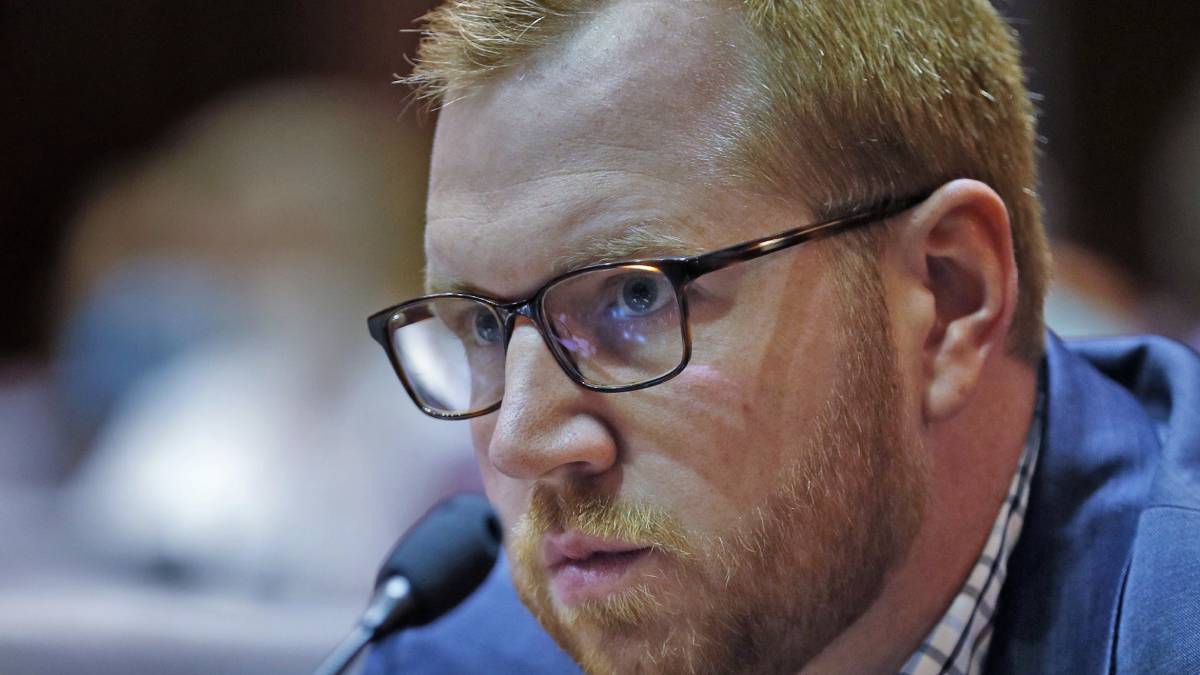
Introduced by Representative Ethan Manning, HB 1052 aims to change how Indiana views and handles dual-currency online sweepstakes casinos. But what exactly does this bill propose?
Definition change: The bill defines “sweepstakes games” as internet-based contests using a dual-currency system. This system includes one currency that players purchase and another that can be redeemed for cash or prizes, similar to slot machines, poker, or online sports betting.
Illegal gambling: If passed, these dual-currency sweepstakes would be classified as illegal gambling. The Indiana Gaming Commission would be granted authority to impose civil penalties of up to $100,000 per violation on operators or individuals hosting such games for Indiana players.
Current status: As of the end of December 2025, HB 1052 has not become law. It has been introduced and referred to committee but has not been enacted, allowing these sweepstakes casinos to continue operating in Indiana for now.
Other sweepstakes games that offer non-cash prizes, such as toys, candy, or novelty items, would not be affected by this measure.
Why the Focus on Sweepstakes Casinos?
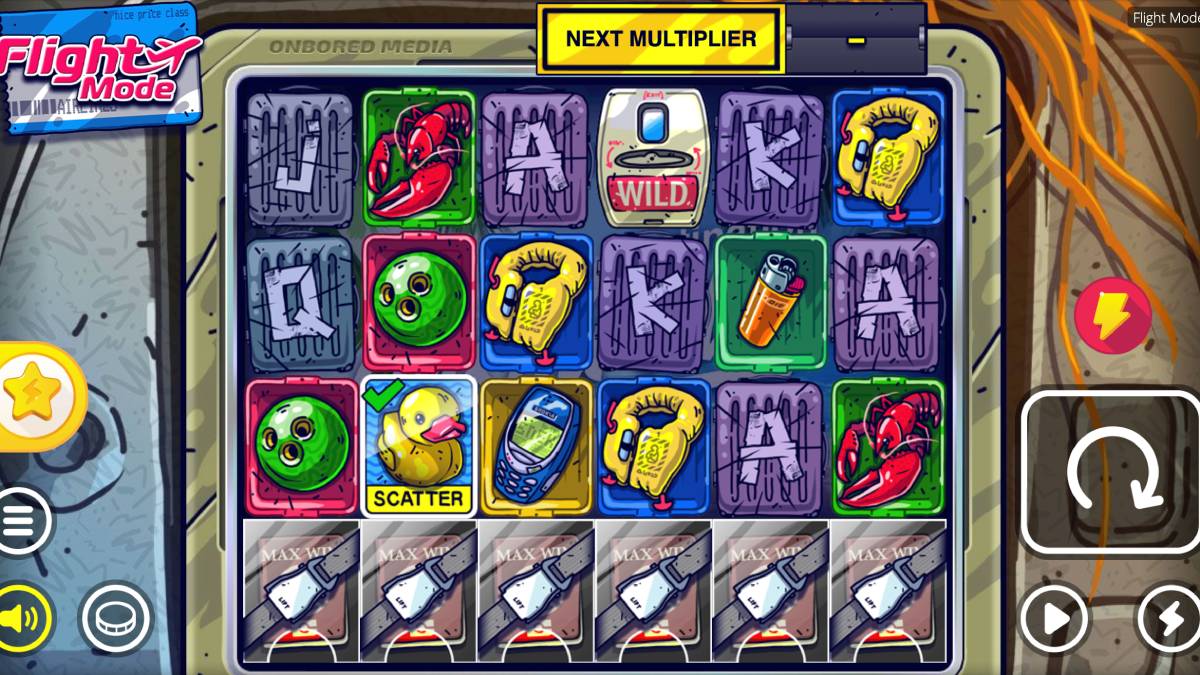
Sweepstakes casinos thrive on a dual-currency model, where one currency is paid for and another—often called “sweepstakes coins”—can be redeemed for real-world value. Unlike traditional sweepstakes with free entry and non-cash prizes, this model closely resembles gambling, which is why it has come under legislative scrutiny.
The bill specifically excludes low-value amusement devices, ensuring it targets online sweepstakes casinos rather than arcade games or retail promotions.
Indiana isn’t alone in this crackdown.
New York took significant steps against 26 sweepstakes platforms in 2025, leading them to stop selling these coins. California enacted laws that take effect on January 1, 2026, banning such games and enforcing penalties that include jail time and fines. New Jersey has also moved to impose similar prohibitions.
In Florida, House Rep. Berny Jacques has filed House Bill 591, which will be reviewed during the 2026 legislative session beginning in March 2026.
What Could Happen If HB 1052 Passes?
Operators: If the bill becomes law, operators may have to close shop or significantly rethink their business models in Indiana. The high risk of fines could drive them to exit the market or redesign how their currency systems operate.
Players and Affiliates: For players, this could mean losing access to these casinos in Indiana. Affiliates or marketing partners may also see a decline in traffic and revenue from Indiana-based users.
The Bigger Picture: By joining states like California, New York, and New Jersey, Indiana’s passage of HB 1052 could shrink the market for dual-currency sweepstakes casinos and push operators toward licensed gaming options or non-redeemable social platforms.
As we move further into 2026, all eyes will be on the Indiana legislature to see whether HB 1052 advances and what it ultimately means for the future of online gaming and sweepstakes in the state.
For now, dual-currency sweepstakes casinos continue operating, but their long-term outlook remains uncertain.


