


In 2026, significant changes are poised to reshape the casino industry in Iowa, exemplifying a broader evolution in gaming culture.
As several riverboat casinos transition to land-based establishments, the opening of a new casino in Cedar Rapids, and rebranding shifts in Burlington, Iowa, reflect on its rich history and embrace a new era of entertainment.
This is happening as Iowa's casino industry continues to do well. Recent numbers show that revenue is up, and new projects are underway to make gaming more exciting and enjoyable throughout the state.
All of this while lawmakers consider making casinos smoke-free in Iowa.
A Glimpse into Iowa’s Casino History
Iowa’s journey into gaming began in 1989 when the state became the first in the nation to legalize riverboat casinos.
This historic moment was spurred by the Iowa Legislature's passage of the Pari-Mutuel Wagering Act, which authorized riverboat gambling and set the stage for an industry that would grow to become an integral part of Iowa’s economy and tourist appeal.
The early 1990s saw these riverboats cruising the Mississippi and other Iowa waterways, creating a new form of entertainment that combined the nostalgia of river travel with the excitement of casino gaming.
Initially, the law required these casinos to be "cruising," setting sail for a few hours at a time. This aspect of the legislation was a nod to the original concept of riverboat gambling from the 19th century. However, practical challenges and evolving market demands led to amendments, allowing the riverboats to remain dockside, essentially functioning as stationary casinos.
This change laid the groundwork for future land-based expansions, as attitudes toward gaming regulations became more flexible.
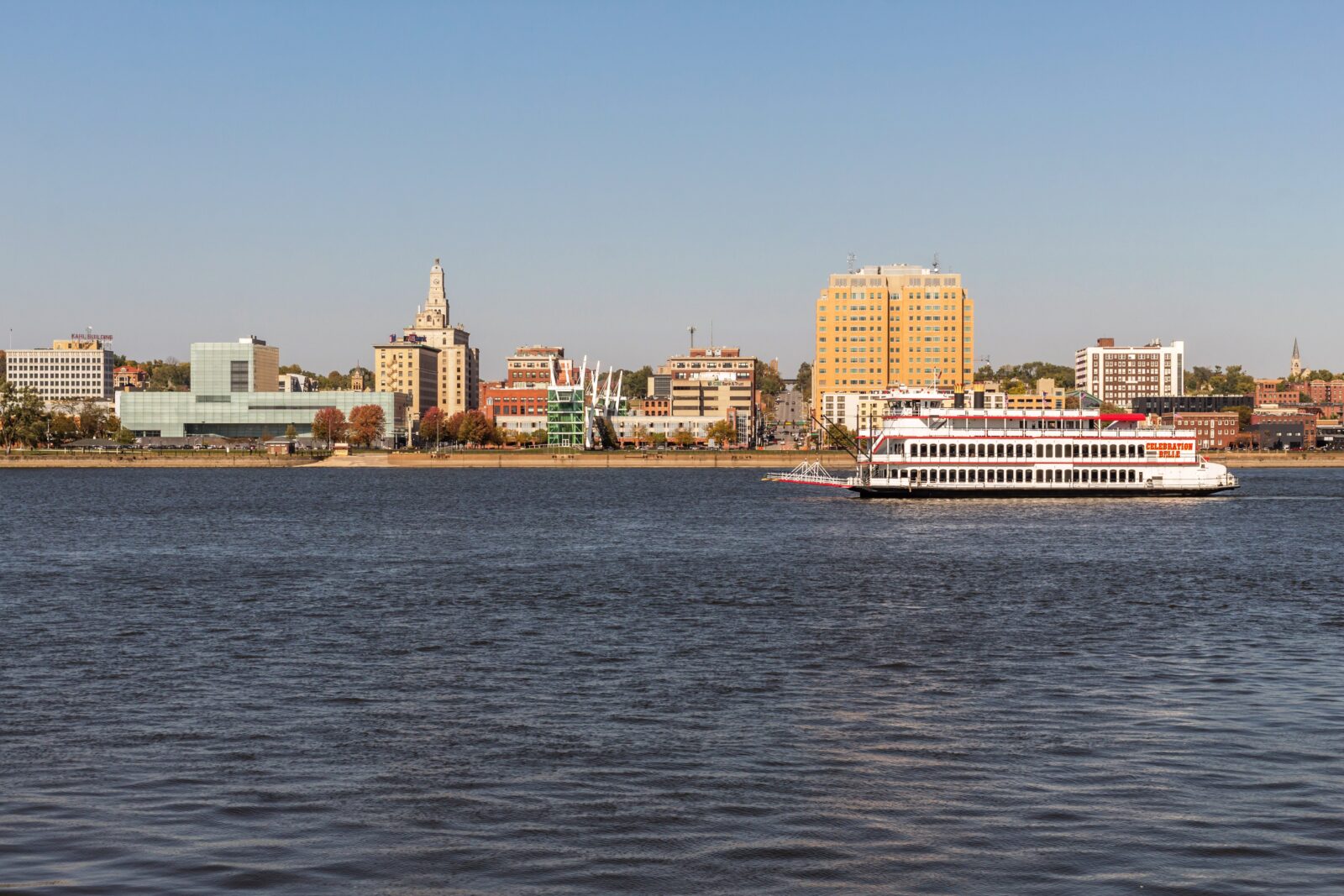
Iowa Casino Changes Expected in 2026
| Property / Project | Location | Ownership / Brand | Status & 2026 Change | Timing / Notes |
|---|---|---|---|---|
| Cedar Crossing Casino | Cedar Rapids | Peninsula Pacific Entertainment & Cedar Rapids Development Group | New land-based casino and entertainment center under construction; will be Iowa’s 20th state-licensed casino. | Targeting Dec. 31, 2026 New Year’s Eve opening; about 700 slots, 22 tables, 1,500-seat venue, significant non-gaming amenities. |
| Catfish Bend → Great River Casino Resort | Burlington | Elite Casino Resorts | Elite acquiring Catfish Bend Casino and FunCity; rebranding the combined complex as Great River Casino Resort. | Transaction expected to close late Jan. 2026; same core gaming mix (≈600 slots, 18 tables) with integrated resort amenities retained and refreshed. |
| Casino Queen Marquette → Bally’s Marquette | Marquette | Bally’s Corporation | Smallest Iowa casino shifting from riverboat to a permanent land-based facility, with full Bally’s rebrand. | $21M land-based build; construction begun in 2024 and on track to finish in early 2026, with boat operations moved ashore by around March 2026. |
| Ameristar Casino Hotel Council Bluffs | Council Bluffs | Penn / Ameristar | Still a riverboat in 2025; planning a major project to move to a land-based facility. | Large construction program expected to start in Q1–Q2 2026 to transition off the water; will further shrink Iowa’s true riverboat count. |
| Lakeside Hotel Casino | Osceola | Affinity Gaming | Technically a moored barge rather than a traditional riverboat, and one of the last “over water” sites. |
Key Changes in 2026
The year 2026 marks a pivotal moment for Iowa’s casino industry as it continues to adapt to modern demands and regional competition. Here are some of the most significant changes:
Cedar Rapids Casino: Scheduled to open by December 31, 2026, the Cedar Crossing Casino will join the ranks as Iowa's 20th state-licensed casino. Developed by Peninsula Pacific Entertainment and Cedar Rapids Development Group, this new venue promises not only 700 slot machines and 22 tables but also a 1,500-seat entertainment venue and an array of non-gaming amenities.
Burlington's Transformation: Elite Casino Resorts’ acquisition of Catfish Bend Casino will culminate in its rebranding as the Great River Casino Resort. This change folds the property into Elite’s growing portfolio that includes Riverside Casino, Rhythm City, and Grand Falls. Despite this transition, the casino will maintain its core gaming options while refreshing its resort amenities.
Bally’s Marquette: Meanwhile, Bally’s Corporation is moving Casino Queen Marquette from riverboat status to a permanent land-based facility. This $21 million project underscores Bally’s commitment to modernization and enhanced patron experience, with the construction aimed for completion by March 2026.
Ameristar Council Bluffs: Another key transition involves Ameristar Casino in Council Bluffs, which has announced plans to start moving from a riverboat to a land-based facility in early to mid-2026. This move is set to transform one of Iowa’s last traditional riverboats and further reduce the state’s "over water" casino presence.
Regulatory and Competitive Challenges For Iowa Casinos
As the industry undergoes these transitions, regulators like Racing and Gaming Administrator Tina Eick emphasize the importance of reinvestment in Iowa’s gaming facilities. This focus addresses competitive pressures from neighboring states such as Missouri and Nebraska, where gaming markets are also expanding.
Preliminary reports for 2025 indicated a stable casino performance in Iowa, with only a slight dip in casino win.
Remarkably, sports wagering revenue grew by roughly 22%, emphasizing a shift in gambling preferences. The early numbers from 2026 will be critical for assessing how these structural changes impact Iowa’s border markets, especially in areas like Council Bluffs, which could feel the direct impact of out-of-state developments.
All in all, Iowa’s journey from riverboat nostalgia to land-based innovation encapsulates a dynamic history of adaptation and growth.
As 2026 unfolds, the state stands on the threshold of a new chapter in gaming, balancing historical reverence with the demands of a contemporary audience. Whether you’re drawn by the allure of spanking new facilities or the thrill of betting, Iowa’s evolving casino scene promises a wealth of experiences for residents and visitors alike.


