


The glittering city of Las Vegas, long known for its lively entertainment and bustling casinos, is experiencing a significant decline in tourism.
This downturn is underscored by recent figures from Harry Reid International Airport, which reported its sharpest monthly drop of 2025. This pattern indicates a sustained decline in Las Vegas tourism rather than a short-term fluctuation.
What's disturbing about the most recent figures is that just several weeks ago, a UNLV study predicted things would start to get better soon.

What the November Airport Data Shows
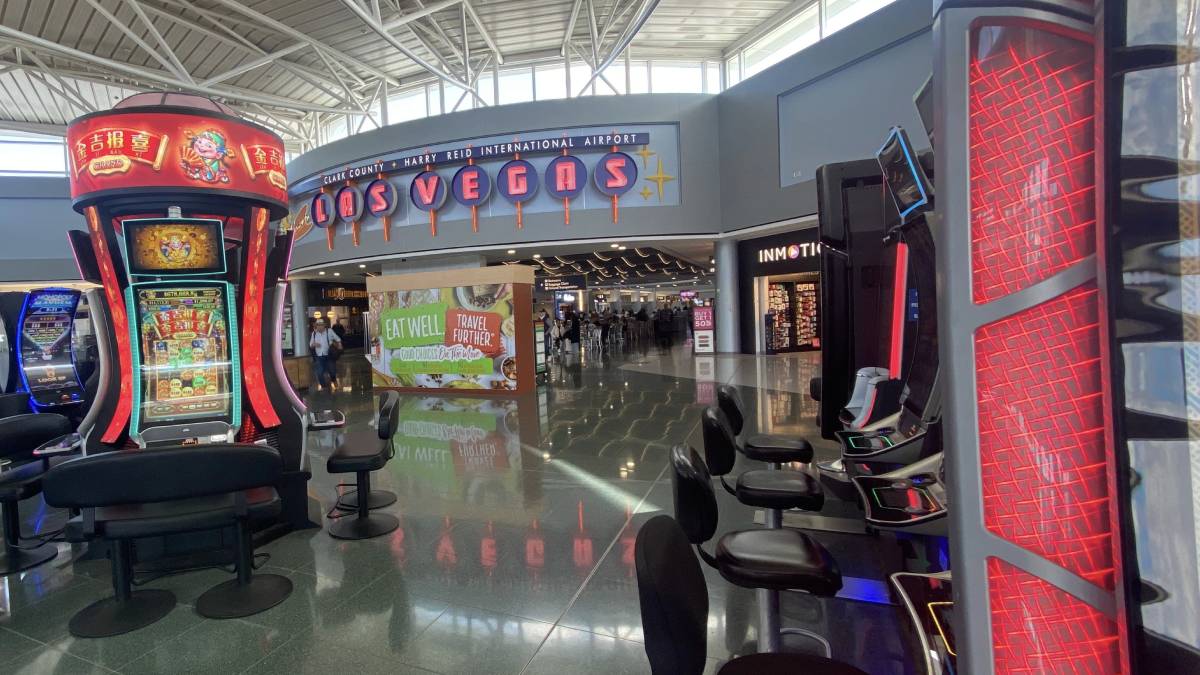
In November, Harry Reid International Airport recorded approximately 4.3 million passengers, a 9.6% decrease from 4.73 million in November 2024.
This marks the tenth consecutive month of year-over-year declines, contributing to a broader narrative of a Las Vegas tourism decline.
For the first eleven months of 2025, the airport’s total passenger volume stands at 50.6 million, down by 5.5% from the previous year. November’s figures highlight both a continuation of the current trend and the most significant monthly drop so far this year.
International vs. Domestic Traffic Weakness
The airport's international traffic saw a drastic reduction of 21.2%, falling to around 239,500 passengers in November.
The decline was especially pronounced among Canadian travelers, with airlines such as Air Canada and Flair Airlines experiencing decreases of up to 87%. While domestic traffic accounts for the majority of airport volume, it also fell by 8.8%.
Bright spots such as Southwest and United Airlines showed increases, but these were overshadowed by Spirit Airlines’ 69.9% collapse amid bankruptcy challenges.
How This Fits into the Las Vegas Tourism Decline
The ongoing decline at the airport mirrors a broader trend in Las Vegas tourism.
As of October 2025, the city had hosted 32.3 million visitors, reflecting a 7.6% decrease compared to the same period in 2024. While segments like conventions and certain gaming areas remain relatively stable, the overall decline in visitors suggests a persistent decline in Las Vegas tourism.
The steeper November airport decline indicates that the city is still navigating through this challenging period.
Drivers Behind the Slump
Several factors contribute to the ongoing Las Vegas tourism decline.
Hotel resort fees, higher room rates, and increased food and beverage costs have driven value-conscious travelers to seek alternatives. There continues to be a growing perception that Las Vegas is no longer the affordable, fun-filled destination it once was. To combat that, the Las Vegas Convention and Visitors Authority (LVCVA) even tried a nationwide advertising and social media campaign titled "Welcome to Fabulous Las Vegas."
On the international front, increased U.S. travel expenses and visa complications have reduced demand, especially from Canadian visitors facing economic and political obstacles.
Implications for Casinos and the 2026 Outlook
Despite the decrease in visitor numbers, Las Vegas Strip casinos have often counterbalanced this by capitalizing on higher spending per visitor, partly thanks to lucrative table games like baccarat. However, broader economic indicators, such as tax receipts and non-gaming revenue, underscore a challenging year for Las Vegas tourism in 2025.
The recovery narrative hinges on a hopeful rebound in 2026, fueled by pro sports events, improved value propositions, and an extensive convention calendar.
Caesars' Response to the Las Vegas Tourism Decline
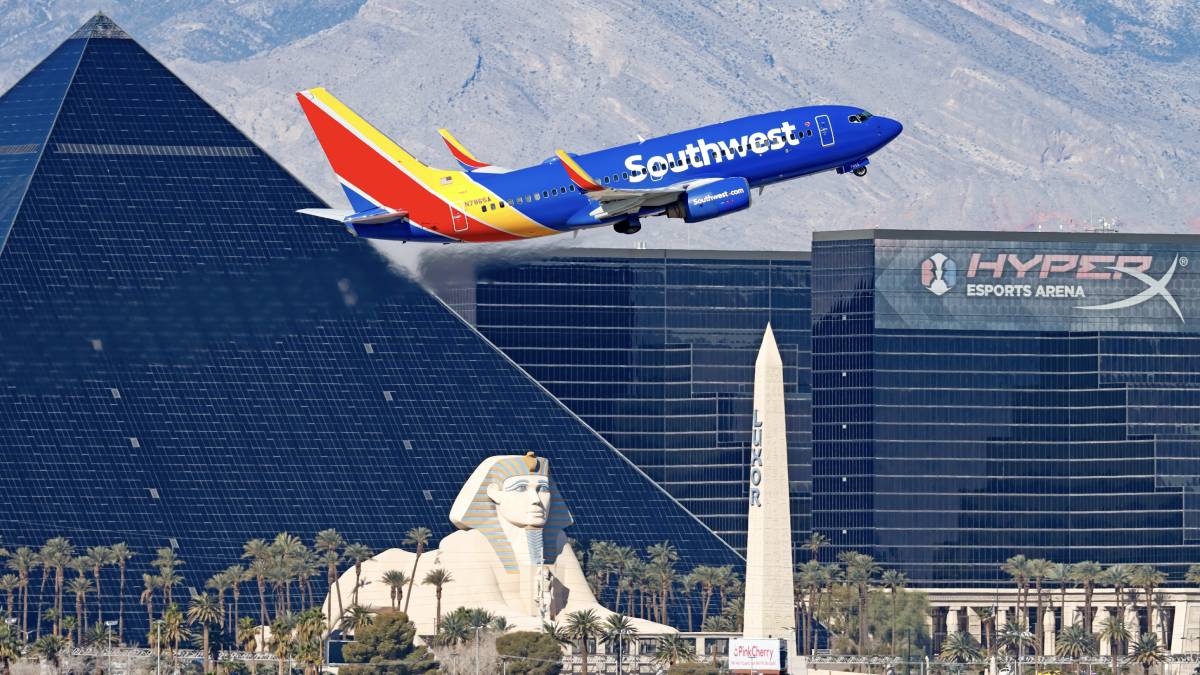
In light of these challenges, Caesars Entertainment has strategically extended promotions, including free parking and discounts for locals, to offset the Las Vegas tourism decline. These incentives aim to enhance midweek visitation and spending from residents, providing a buffer against declining tourist numbers.
This local-focused strategy reflects a broader trend among Las Vegas operators to counteract weaker tourist volumes amidst the tourism decline.
By offering significant perks like free parking and a 25% discount on food and beverages, Caesars is taking a proactive approach to draw local visitors.
Should these promotions extend beyond February 2026, it would indicate that midweek and shoulder-season difficulties are more profound than anticipated, potentially influencing future strategies to address the ongoing Las Vegas tourism decline.


