


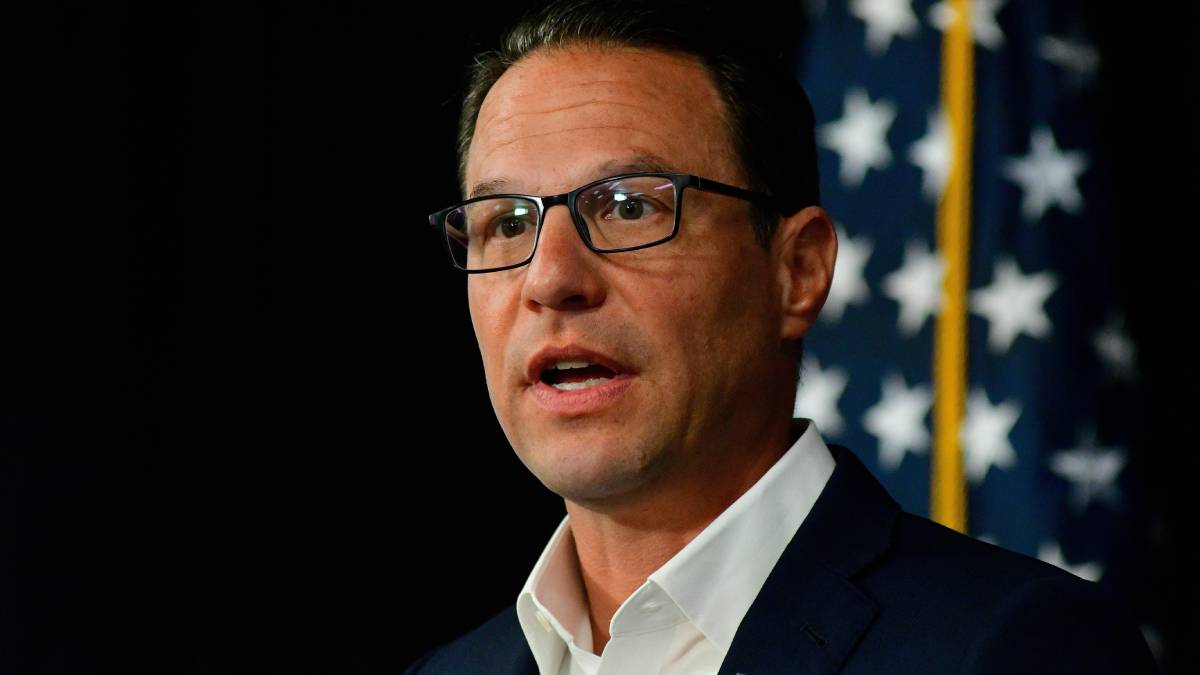
Pennsylvania Governor Josh Shapiro introduced his proposed state budget for the fiscal year 2026-2027.
This proposed budget outlines expenditures totaling approximately $53.2–53.3 billion, a notable increase from the previous year.
Much of this budget increase is earmarked for crucial areas like education, public safety, and infrastructure. But one interesting component of this plan is the proposal to regulate and tax "skill games."
Skill games concern Governor Shapiro because they are part of the reason the Pennsylvania Lottery lost roughly $200 million over the past five years. And the Vice President and General Manager of Presque Isle blames skill games for pulling players away from the casinos.

What Are Skill Games?
Skill games, often seen in Pennsylvania, are electronic machines that resemble slot machines commonly found in casinos. However, they differ in one key aspect—they incorporate a skill element. This might involve solving puzzles, matching patterns, or making strategic decisions during gameplay.
Manufacturers of these games claim that players can use skill to better their chances of winning. This is what makes them legally different from pure chance-based gambling machines, according to rulings in Pennsylvania courts.
These machines can be found in non-casino venues like convenience stores, bars, and gas stations.
Critics argue that the skill component is negligible and that these machines essentially function as slot machines, generating significant untaxed revenue. Supporters, however, see them as legal forms of entertainment contributing to local economies.
Shapiro's Plan for Regulating Skill Games
Governor Shapiro’s Pennsylvania state budget proposal seeks to bring these skill games under the regulatory eye of the Pennsylvania Gaming Control Board. Here are the main points of the plan:
Regulation and Taxation: Shapiro proposes imposing a 52% tax on the revenue generated by these machines. This aligns them more closely with other gambling operations in the state.
Capping and Limitations: The proposal includes a cap on the total number of skill games allowed statewide—no more than 40,000. Additionally, each venue is restricted to hosting a maximum of five machines.
Revenue Generation: The governor estimates that by regulating and taxing skill games, along with the proposed legalization of adult-use cannabis, the state could gain over $2 billion annually. This revenue would fund various needs, including schools, public safety initiatives, and taxpayer relief efforts.
So, for the second year in a row, Shapiro is eying a 52% tax on skill games, estimating that as many as 40,000 machines could be operating in the Keystone State.
The Pennsylvania State Budget's Path Forward
While Governor Shapiro is optimistic that the new Pennsylvania state budget will pass, there are challenges ahead. Past attempts at such proposals have stumbled due to legislative gridlock. Republicans have expressed concerns over increased spending and the reliability of revenue from sources like skill games and cannabis.
The proposal remains just that—a proposal.
The Pennsylvania General Assembly must negotiate and pass the final budget by July 1. The outcome will likely depend on reaching compromises that balance fiscal responsibility with the need for increased state investments in critical areas.
Governor Shapiro's proposal to regulate and tax skill games represents a significant step towards addressing the legal ambiguities surrounding these machines while generating much-needed revenue for the state. Whether it will succeed this year remains to be seen.


