


It's an old-fashioned Big Ten battle—sort of.
The “stateline” casino boom refers to the surge in major casino developments and expansions along the Wisconsin–Illinois border. These projects primarily target gamblers and visitors from northern Illinois (including the Chicago suburbs and Rockford area) and southern Wisconsin. As new facilities open, competition in the region is increasing, with each casino aiming to capture a shared and growing market.
In fact, the Hard Rock Casino in Rockford, Illinois, just announced a major expansion plan.
Why the Wisconsin–Illinois Stateline Is Becoming a Casino Hotspot
The Wisconsin–Illinois stateline is emerging as a major casino destination because of strong regional demand, a strategic location, and economic development goals shared by both states and operators. The I-39/90 and I-94 corridors have long attracted cross-border gamblers, but recent large-scale projects have accelerated this trend.
Key factors include:
- Rising demand for gaming and entertainment in northern Illinois and southern Wisconsin
- Limited high-quality casino options in the past
- New developments reshaping local tourism and hospitality
- A large, previously underserved population base
Northern Illinois—especially the Chicago suburbs and Rockford area—has millions of potential customers with high disposable income and an established gambling culture.

Direct Competition: Ho‑Chunk Beloit vs. Hard Rock Rockford
Two major projects are driving the current boom: Ho-Chunk Gaming Beloit and Hard Rock Casino Rockford. Located only about 17 miles apart along I-39/90, they will compete directly for visitors from Rockford, the Chicago suburbs, Beloit, Janesville, and Madison.
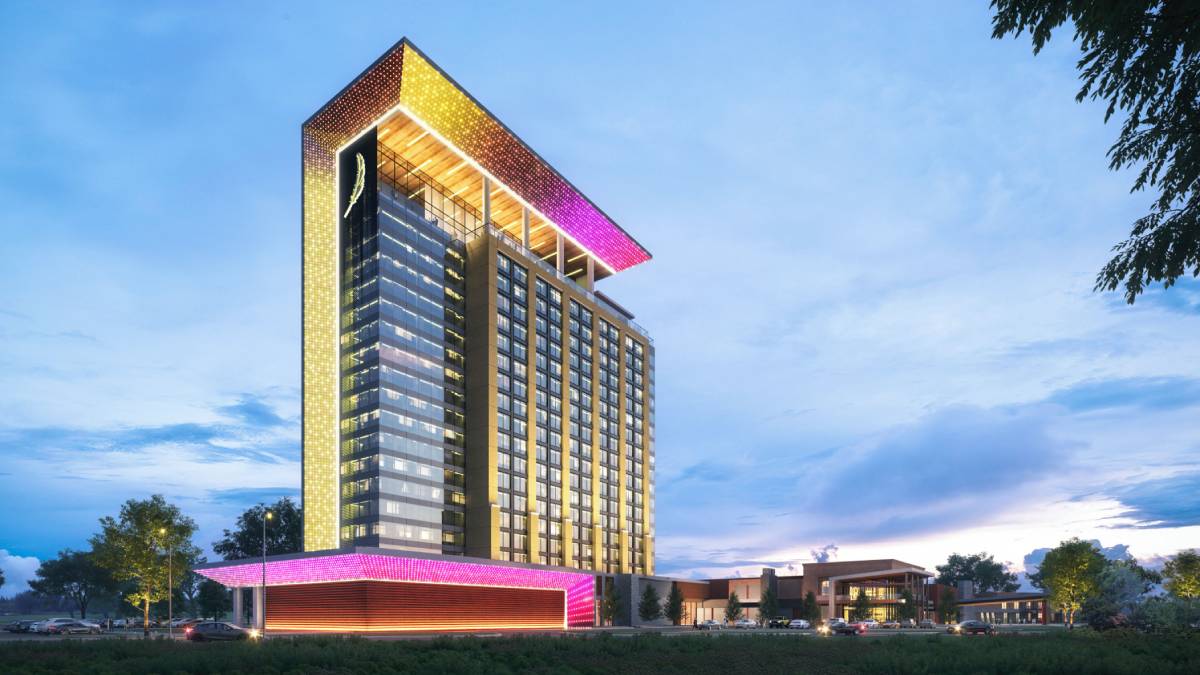
Ho-Chunk Gaming Beloit (Wisconsin)
This large tribal project from the Ho‑Chunk Nation is one of the biggest casino investments in Wisconsin.
- Phase 1 opening: September 2026
- Gaming space: 240,000 sq. ft.
- Games: 1,500 slots, 44 table games
- Amenities: Restaurants, bar, extensive parking
- Phase 2 (mid‑2027): 312‑room hotel, rooftop lounge, 2,000‑seat conference center
- Total investment: $705 million
Expected to become the second-largest casino in Wisconsin
Hard Rock Casino Rockford (Illinois)
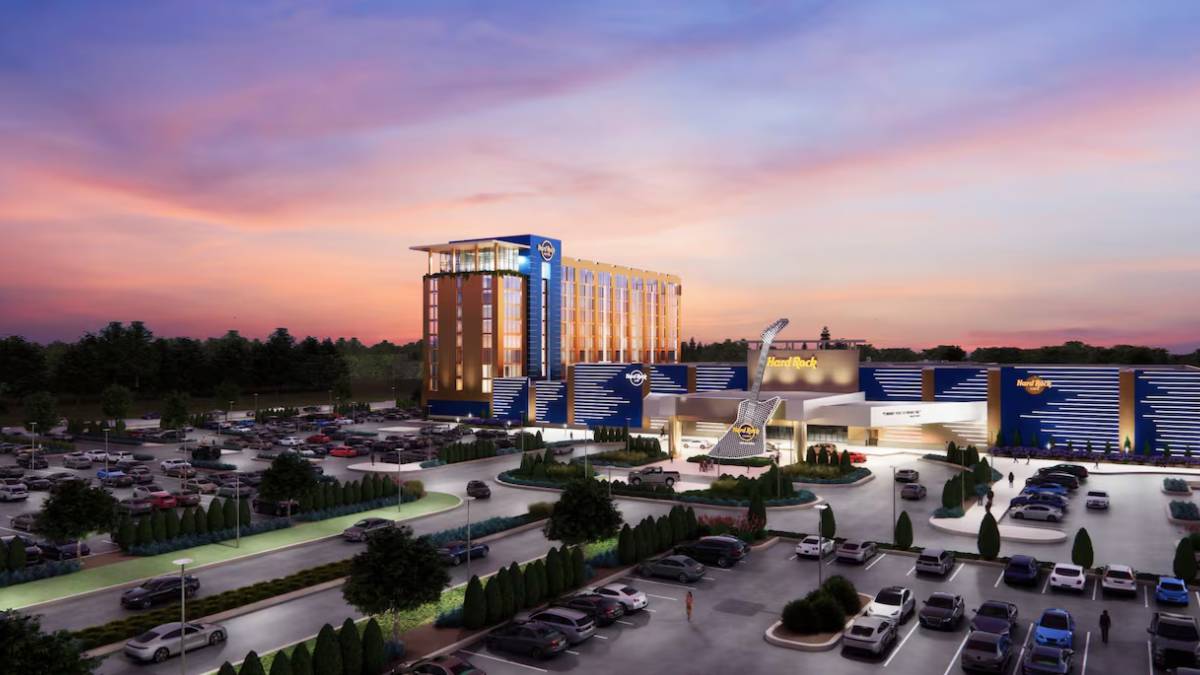
Hard Rock opened its permanent 175,000 sq. ft. casino in August 2024 after operating a temporary facility since 2021.
- Games: 1,300+ slots, table games
- Entertainment: Hard Rock Live (up to 2,000 seats)
- Amenities: Dining and retail
- Quickly became Illinois’ second-highest revenue-generating casino
Hard Rock is now accelerating expansion plans in response to the Beloit project. This includes a planned 200–250-room hotel (targeted for late 2026 or 2027) and potential new retail or entertainment additions on nearby land.
The addition of overnight accommodations has long been viewed as a missing piece in the casino’s offerings.
Competition for the Regional Market
Because the two casinos are only 17–20 miles apart, they are positioned for direct rivalry. They will compete for both day-trippers and overnight visitors from:
- Northern Illinois (Rockford, Chicago suburbs)
- Southern Wisconsin (Beloit, Janesville, Madison, and surrounding areas)
Each casino is leaning into its strengths:
- Ho-Chunk emphasizes tribal heritage, a larger Phase 1 gaming floor, future resort amenities, and keeping economic benefits within the region.
- Hard Rock leverages its global brand, music-themed experience, strong early performance, and rapid hotel development to maintain loyalty and defend market share.
What Is Driving the Stateline Casino Boom?
The boom is fueled by long-standing demand in a densely populated corridor that previously had few high-quality casino options. Although earlier proposals raised concerns about market saturation, both major projects have moved forward.
Key economic drivers include:
- Job creation (Ho-Chunk expects around 1,500 positions)
- Increased tourism
- Higher tax revenue for local communities
- Capturing spending that might otherwise go to Chicago-area casinos or other Wisconsin tribal casinos (such as Ho-Chunk Madison)

Future Projects: Could Kenosha Become the Next Major Casino Hub?
There is growing interest in additional casino capacity along the border. One major proposal is the Menominee/Hard Rock casino in Kenosha, which would sit further north along the Wisconsin–Illinois line.
The project is still moving through federal and state approval processes. The Bureau of Indian Affairs released a Draft Environmental Assessment (EA) in March 2026, finding no significant environmental impacts. The public comment period closed in late April 2026, and the project has not yet broken ground.
If approved, the Kenosha casino could further expand the region’s gaming footprint and intensify competition.
How Will the Stateline Casino Boom Succeed?
The stateline region is shifting from a relatively quiet gaming area into a competitive casino destination.
Long-term success will depend on:
- Guest experience
- Loyalty programs
- Non-gaming amenities (hotels, dining, entertainment)
- Broader economic conditions
As these projects develop, the Wisconsin–Illinois border is poised to become one of the Midwest’s most active and competitive casino corridors.


