


Chicago officials are weighing a proposal that could reshape the city’s gambling landscape.
A push to legalize video gambling terminals (VGTs) in bars and restaurants has sparked debate over revenue, regulation, and existing agreements. Bally’s, which operates Chicago’s temporary casino and is developing a permanent resort, argues that the move conflicts with its 2022 deal with the city and has approved an alternative: installing slot-machine lounges at O’Hare and Midway airports to generate comparable tax revenue.
As discussions continue, policymakers must balance potential new revenue streams with contractual obligations and the long-term outlook for casino development.

Chicago Casino Deal Explained
Chicago approved a major casino project with Bally’s in 2022 to bring a full-scale gaming destination to the city. The plan included:
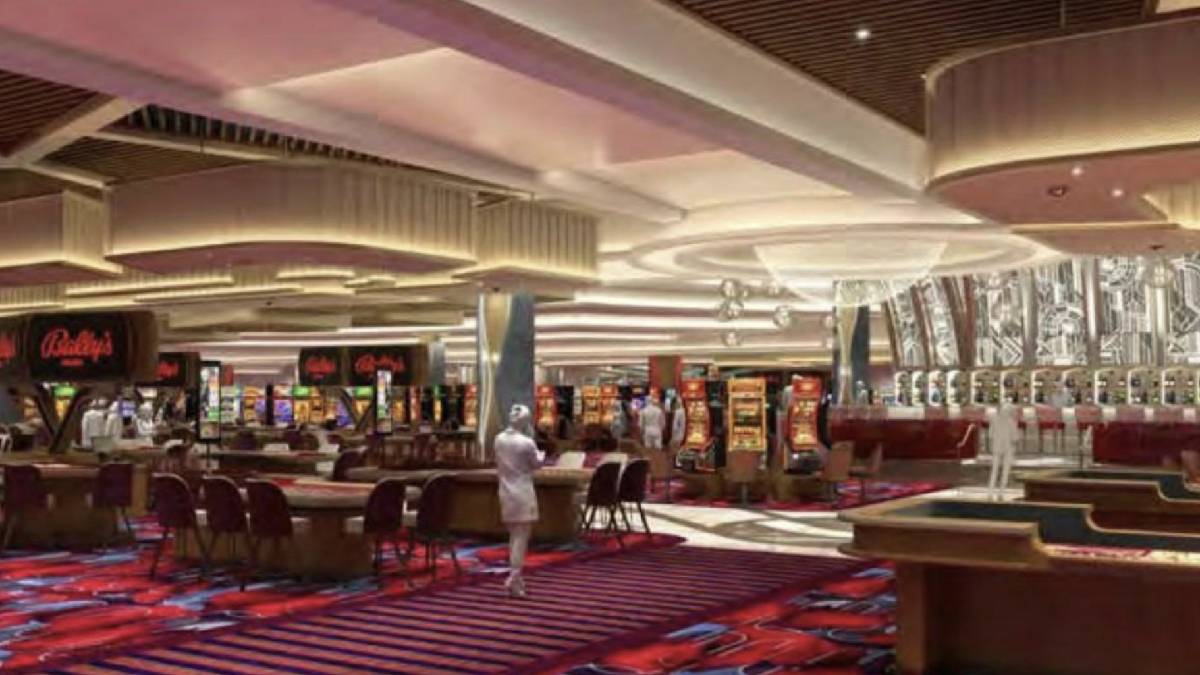
- A temporary casino in River North (already operating)
- A permanent, large-scale casino resort under development
- A Host Community Agreement (HCA) granting Bally’s key protections
In return, Bally’s committed to:
- A $40 million upfront payment
- Around $4 million annually in impact fees
- Local hiring and union labor requirements
- Long-term investment in the permanent casino
The core tradeoff was simple: Bally’s would invest heavily, and Chicago would limit competing gambling options.
Why Video Gambling Terminals (VGTs) Matter
Video Gambling Terminals are slot-style machines commonly found in Illinois bars and restaurants—but not in Chicago.
Now, some City Council members want to lift that ban.
If approved, VGTs could:
- Expand gambling access across hundreds of local venues
- Generate new tax revenue for the city
- Provide income opportunities for small businesses
But there is a catch: Bally’s argues that this directly competes with its casino.
Bally’s Legal Argument Against VGTs
Bally’s position centers on the 2022 Host Community Agreement.
Key points include:
- Exclusive rights: Bally’s holds the only casino license in Chicago
- No new gaming modes: The city agreed not to introduce new forms of gambling beyond what existed in 2022
- Trigger clause: If new gaming is introduced and harms Bally’s revenue, the contract must be renegotiated
Bally’s claims VGT legalization would:
- Cut up to 30% of slot revenue
- Put up to 1,050 jobs at risk
- Undermine the financial foundation of the casino project
They have also warned of:
- Withholding annual payments
- Suspending parts of their agreement
- Filing a lawsuit for breach of contract

The City’s Possible Counterarguments
Chicago may push back using a few key angles:
- VGTs are not casinos: They are regulated differently and may not qualify as a “new mode” under the agreement
- Limited remedy: The contract may only require renegotiating fees, not canceling the deal
- Home-rule authority: The city can regulate gambling for economic and public interest reasons
However, these arguments carry risk, especially given the agreement's clear exclusivity language.

Bally’s Alternative: Airport Slot Lounges
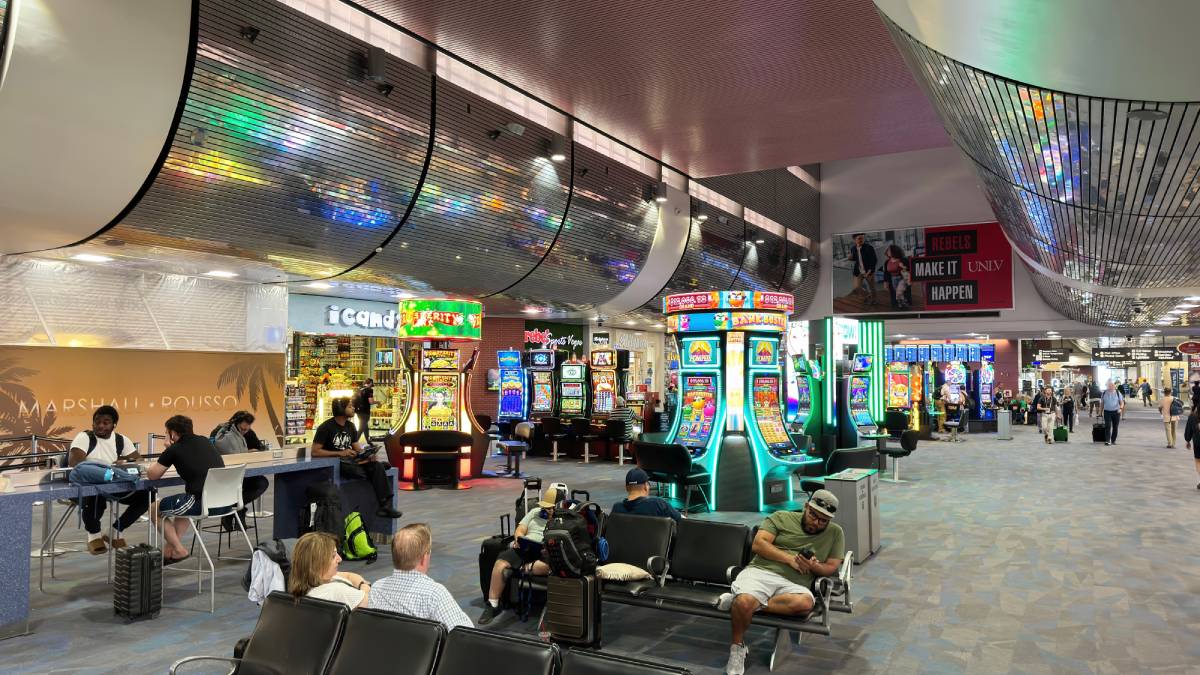
To avoid conflict, Bally’s has proposed a substitute: install slot machine lounges at Chicago airports.
The proposal includes:
- 5 total lounges: 4 at O’Hare, 1 at Midway
- One lounge per terminal
- Estimated $5 million in tax revenue per lounge
That could generate:
- About $25 million annually in gaming and admission taxes
- Comparable revenue to what VGT expansion might bring
Example: Instead of adding thousands of machines across bars, Chicago could concentrate gambling in controlled, high-traffic airport spaces with predictable returns.
Why Is This Fight So Intense?
This is not just about gambling—it is about contracts, revenue, and political credibility. The fight goes back almost a year.
Key tensions include:
- Revenue tradeoffs: Casino taxes are typically higher than VGT taxes
- Market cannibalization: More machines across the city could reduce casino traffic
- Investor confidence: Changing terms mid-deal could hurt future public-private partnerships
- Political pressure: Local businesses want VGTs, while Bally’s wants protection
- The temporary casino has also underperformed expectations, increasing Bally’s urgency to protect its market share.
What Happens Next in Chicago VGT Battle?
No final decision has been made, but there are are several possible outcomes, including:
- VGT legalization moves forward, triggering renegotiation or legal action
- A compromise deal (such as airport slots) replaces VGT expansion
- The city delays action to avoid litigation and reassess revenue options
This is shaping up to be a high-stakes legal and political battle with real financial consequences for Chicago. Why? Chicago is deciding between two very different gambling expansion paths:
- Distributed model: VGTs in bars and restaurants across the city
- Centralized model: Casino and controlled expansions like airport lounges
Bally’s is pushing hard to protect its exclusive position, while the city weighs broader economic benefits.
The outcome will likely set a precedent for how cities balance casino deals with broader access to gambling.


