


They're calling it a significant move for the Chicago city government, the City Council's License and Consumer Protection Committee.
The group has advanced an ordinance that permits businesses to apply for conditional/local permit approval for video gambling terminals (VGTs) from Chicago's Department of Business Affairs and Consumer Protection. This step is required before obtaining full state approval from the Illinois Gaming Board.
This development follows the city's decision late last year to lift the long-standing municipal ban on these electronic slot/poker-style machines as part of the 2026 budget. The move ignited a face-off between the incoming Bally's Casino in Chicago and potential citywide video gaming terminals (VGTs).
Despite Mayor Brandon Johnson's opposition, the budget passed without his signature, marking a pivotal shift in Chicago's approach to video gambling.

What the New Ordinance Calls For
The ordinance aims to expedite the application process, allowing businesses like bars and restaurants to start locally while the state works through its licensing backlog. During this interim period, the city will collect a $500 local application fee from each applicant.
This measure is projected to generate approximately $6.8 million in revenue in 2026, primarily from local licensing fees.
The committee's decision was not unanimous, with Ald. Brendan Reilly of the 42nd Ward casting the sole "no" vote. The ordinance now moves to a full City Council vote on Wednesday, where only a small number of aldermen could block it under current council rules.
Comparing VGTs to the New Chicago Casino
Timeline and Current Status
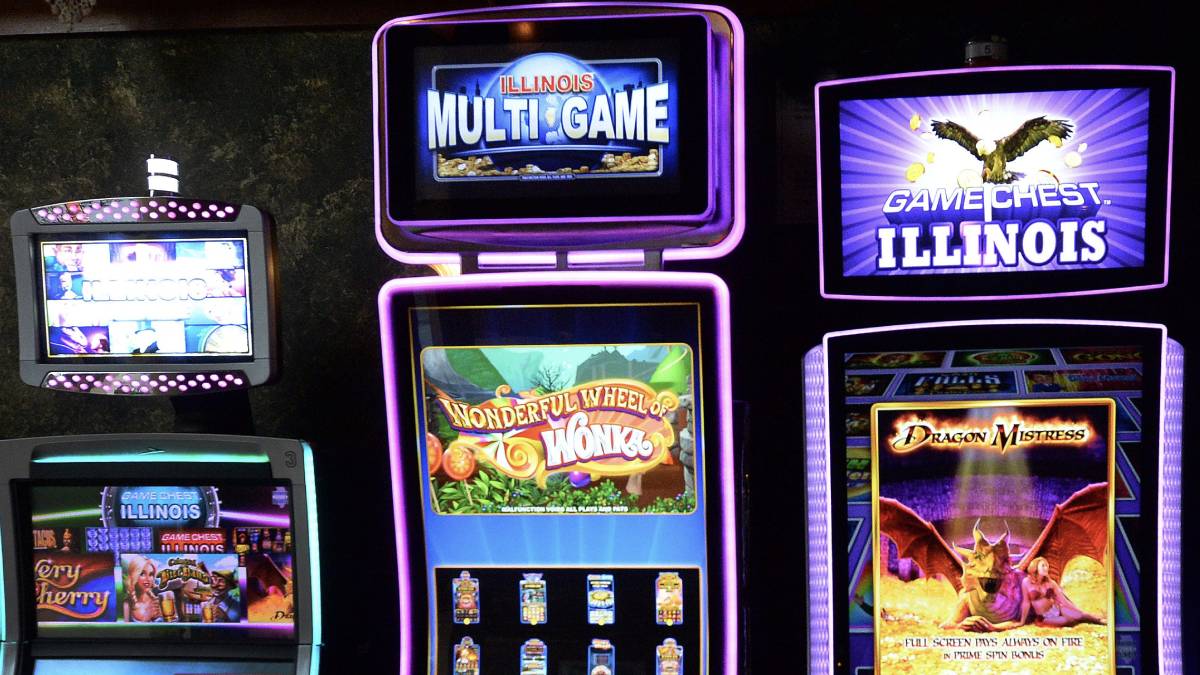
Video Gambling Terminals (VGTs): Chicago lifted its municipal ban on VGTs during the budget process (in 2025), despite Mayor Johnson's opposition. VGTs became legal in early 2026, but machines remain non-operational due to the requirement for both local and state approvals. An ordinance passed on April 13, 2026, would speed up local conditional permits. If approved by the full Council, businesses could begin installations, with hundreds of machines expected in bars and restaurants within months.
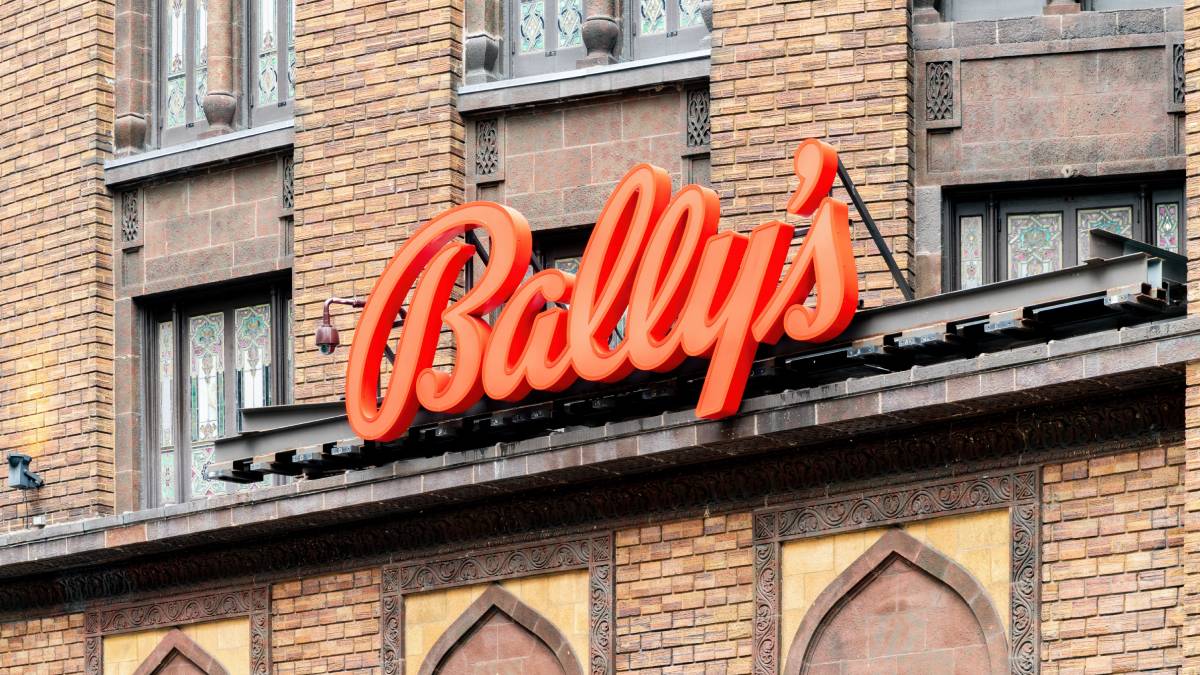
Bally's Chicago Casino: Awarded to Bally's in 2022, this is Chicago’s first full-scale casino. A temporary casino has operated inside Medinah Temple since September 2023. Delays have pushed the permanent site's $1.7 billion opening to late 2026 or 2027. Bally's is seeking an extension of the temporary license to avoid a gap in operations until the permanent complex is completed on the River West site.
Scale and Format
VGTs: These small-scale, "convenience" gambling options offer up to six machines per venue, such as bars and restaurants. Designed for widespread, neighborhood accessibility, they provide quick economic relief to local businesses.
Casino: A large-scale, destination resort featuring approximately 3,400 slots, gaming tables, a hotel, and entertainment venues. It is intended to attract tourists and locals for a comprehensive experience, not just quick gambling.
Revenue to the City of Chicago
VGTs: Yield a smaller city share at about 5.15% of net terminal income plus local fees, with initial projections of $6.8 million for 2026, potentially rising to $10 million annually.
Casino: Offers a much higher city share of 20-22.3% of slot revenue. While the temporary setup produced only around $15 million in 2025, permanent operations are expected to yield significantly higher returns, crucial for funding city services and pensions.
Key Conflict and Broader Impacts
Competition & Cannibalization: VGTs act as "mini-casinos," posing a threat to traditional casinos in Illinois, including Chicago’s, especially with the temporary casino underperforming.
Social/Regulatory Concerns: VGTs may increase addiction risks, while casino projects raise concerns over traffic and local development.
Political Divide: Aldermen supporting VGTs as economic boosters often clash with the mayor, who prioritizes the casino's financial benefits. Although widely seen as a means for economic development, the casino faces setbacks due to delays and VGT competition.

Video Gaming Terminals: Arguments on Both Sides
With about 49,000 VGTs statewide generating billions, Chicago's addition raises concerns about market saturation.
While VGTs provide rapid, decentralized revenue with current political support, the casino offers a delayed yet high-value venture, crucial for Chicago’s financial and developmental plans. Many worry that VGTs could undermine the casino's fiscal promise.
Supporters of the ordinance, including various hospitality groups, argue it helps struggling local businesses compete with suburban establishments that have benefited from these machines for years. They also see it as a way to bring in much-needed city revenue. However, opponents raise concerns about rushing the process and potential social impacts, such as increased gambling addiction and competition with the city’s planned permanent casino, which could be negatively affected by an early VGT rollout.
What's Next for Chicago's VGTs?
Video gambling is now legally permitted in Chicago due to the lifted ban and official notification to the state. However, no machines are operational yet because of the dual approval process and existing backlogs.
The latest ordinance is designed to accelerate the local rollout while state licensing catches up. This issue has sparked ongoing debate in Chicago politics, presenting video gambling as both an economic boon for small businesses and a potential social and regulatory challenge.
With the upcoming City Council vote, applications could be submitted soon, though actual installations might still take several months.
In the end, VGTs in Chicago have the potential to undermine Bally's Casino's revenue and overall economics, according to Bally's own warnings, historical Illinois data, and tax structure differences. However, the extent of the impact remains debated, as the VGT rollout is still early and full effects won't be clear until machines are widely installed.


