


In Fairfax County, the idea of a casino in Tysons is meeting fierce resistance, igniting a heated debate among local leaders and state legislators.
At the heart of the controversy is Senate Bill 756, which aims to add Fairfax County to the list of Virginia localities eligible to host a casino.
While the bill has cleared the Virginia General Assembly, its fate now lies in the hands of Virginia Governor Abigail Spanberger, local opposition remains strong and vocal.
It's a debate that has lasted months.

Tysons Casino Met With Strong Local Opposition
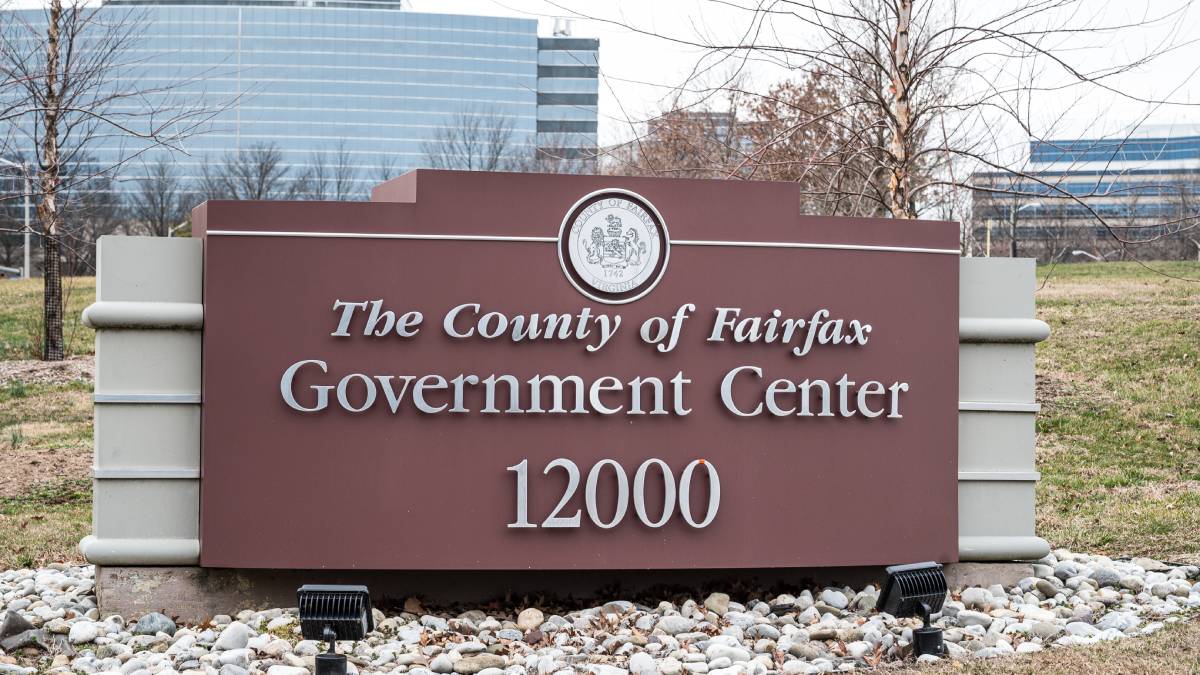
The Fairfax County Board of Supervisors has taken a firm stand against the proposed Tysons casino.
Board Chair Jeff McKay and other supervisors view the bill as a direct challenge to local governance. "This was absolutely a direct attack on local government," McKay asserted, emphasizing the board's disapproval.
Many local leaders argue that the bill undermines their authority over land use and doesn't respect the wishes of Fairfax voters. They suspect the initiative is tailored to benefit a specific developer rather than addressing the broader interests of the community.
Core Arguments from the Board of Supervisors
No Local Request or Buy-In: The supervisors emphasize that the casino proposal was not requested by the county, questioning its community value.
Undermines Local Land-Use Authority: The bill’s site-specific criteria and the state-driven framework are seen as undermining Fairfax’s traditional authority over zoning and land-use decisions. Supervisors argue this lets Richmond and a private developer dictate local planning.
Bad or Unproven Financial Deal: Without an independent, Fairfax-specific analysis of revenue projections, supervisors argue they cannot determine if the proposal is financially beneficial. They criticize the state-set tax split, suggesting it treats Fairfax “as Richmond’s ATM” while offloading social and infrastructure costs onto the county.
Concerns About Community Impacts
Quality of Life and Planning: County leaders and local groups argue a casino conflicts with decades of careful planning for Tysons and other areas like Reston. They emphasize it won't address core issues such as housing, traffic, or school funding.
Economic Cannibalization: There are concerns that more gambling options in an already crowded landscape (online betting, other casinos, skill games) could cannibalize existing casinos and regional hospitality, instead of creating new prosperity.
Social Costs on Residents: Supervisors, echoing community groups, express worries about problem gambling and regressive impacts on lower-income residents, as well as broader neighborhood effects that Fairfax taxpayers would need to manage.
Process and Respect for Local Opposition
Disregard for Local Position: Supervisors like Jimmy Bierman criticize the Senate for pushing an “ill-conceived, wrong-headed casino bill” despite clear opposition from Fairfax voters and the Board. They accuse proponents of ignoring the county's stance and expecting locals to “fix their silly bill that no one wants.”
Call for Statewide Framework First: McKay and others advocate for a statewide gaming commission and coherent regulatory framework for all gambling before authorizing any new casinos, rather than a special deal just for Tysons.
The Process Behind Senate Bill 756
Even though there is strong local opposition, Senate Bill 756 has made progress at the state level.
It passed the General Assembly on March 14, 2026, with a 25-13 vote in the State Senate and a 55-41 vote in the House of Delegates. Now, Governor Spanberger has until mid-April 2026 to decide what to do next with the bill.
The bill has not only divided leaders at the local and state levels but also caused disagreements among Fairfax representatives. Senate Majority Leader Scott Surovell, who represents part of Fairfax County, thinks residents should have the chance to vote on the issue. However, many Fairfax delegates and some senators are still concerned, even after the most controversial part about a temporary casino was removed.

The Path Ahead for the Tysons Casino Plan
As Governor Spanberger considers her choice, Fairfax County finds itself caught in a debate that could greatly affect its future. The Board of Supervisors wants the governor to reject the bill. They have made it clear they don't plan to hold a public vote even if the bill becomes law.
The idea of building a casino in Tysons brings up important questions for people living in Fairfax. Supporters say it could lead to economic growth and more entertainment. On the other hand, critics worry about problems like more traffic and how it might change the community.
Ultimately, the proposed Tysons casino highlights the need to find a balance between state plans and local control. It's a debate that will be interesting to follow in the coming weeks.


