


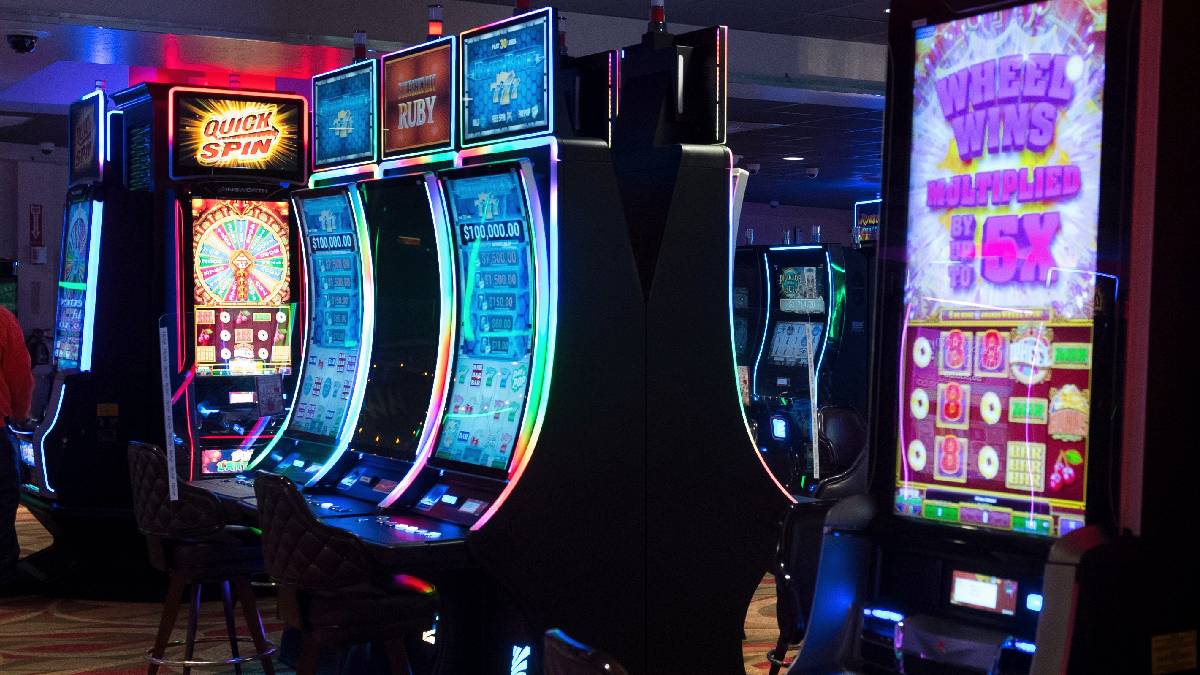
Historical Horse Racing (HHR) machines are at the center of a growing debate about the future of casinos in Massachusetts. While these machines look and feel like slot machines, they operate under a different legal structure tied to horse racing.
But a new bill passed by the Massachusetts House could bring HHR machines to former racetrack sites, raising big questions for the state’s gaming industry.
This battle comes in the wake of a decision by lawmakers in The Bay State to pause the pursuit of online casinos. While real-money online casinos remain illegal in Massachusetts, you can legally play at sweepstakes and social casinos.

What Is HHR and Why It Matters
HHR, or Historical Horse Racing, is a form of betting that uses real horse race results from the past. These races are stored in large databases and shown to players in an anonymized way. That means bettors cannot see the names of horses, jockeys, or race dates before placing a wager.
Unlike traditional slot machines found in casinos in Massachusetts, HHR machines are based on pari-mutuel betting. This means players are wagering against each other, not against the house. The spinning reels and graphics are mostly for entertainment, while the actual outcome is determined by the historical race results.
Supporters argue this makes HHR different from standard casino games. Critics say the experience is nearly identical to slot machines, calling them “slot-like” devices.
Where HHR Could Launch in Massachusetts
The current proposal would allow HHR machines at former or existing racetrack locations. Two key sites are expected to benefit:
Suffolk Downs in East Boston, which already offers simulcast betting and is partly redeveloped.
Raynham Park in southeastern Massachusetts, a former greyhound racing track.
Developers, including longtime Suffolk Downs investor Richard Fields, have outlined plans for major investments. These could include hundreds of HHR machines, new dining options, and entertainment spaces. The total investment could reach over $200 million and create hundreds of jobs.

How This Affects Casinos in Massachusetts
The introduction of HHR could reshape competition among casinos in Massachusetts. The state currently has three major commercial casinos:
- Encore Boston Harbor (which paid out a massive jackpot earlier this year)
- MGM Springfield
- Plainridge Park Casino
All three operators strongly oppose the expansion of HHR. They argue that these machines function like slot machines but avoid the strict rules and licensing requirements that casinos must follow under the 2011 Expanded Gaming Act.
From their perspective, HHR creates a new form of competition that is not held to the same standards.
Tribal Concerns and Legal Tensions
The Mashpee Wampanoag Tribe, which operates First Light Casino in Taunton, is also pushing back against the proposal. Their concern is rooted in the tribal-state compact, a legal agreement that allows the tribe to operate full casino gaming under specific terms.
Under this agreement, the tribe shares a portion of its gaming revenue with the state. In return, the compact was designed to limit direct competition.
HHR machines fall outside that framework because they are classified as pari-mutuel betting rather than full casino gaming. The tribe argues that introducing HHR undermines the balance of the original agreement and could cut into its revenue.
Key Differences Between HHR and Traditional Casinos
Understanding the difference between HHR and traditional casinos in Massachusetts helps explain the controversy:
- HHR uses historical race data, while casinos rely on random number generators for slots.
- HHR is player-versus-player betting, while casinos operate player-versus-house games.
- HHR is tied to racetrack regulation, while casinos follow stricter state and federal gaming laws.
- Casino revenue includes structured state payments, while HHR revenue models vary.
Even with these differences, the user experience can feel very similar, which is why the debate remains heated.

What Happens Next?
The bill has passed the Massachusetts House and is now heading to the Senate. Its future is uncertain, and lawmakers may revise or remove the HHR provision during negotiations.
If approved, the Massachusetts Gaming Commission would still need to review and regulate the implementation of HHR machines.
It is also one more example of how lawmakers are rethinking gambling rules this year, from Ohio’s proposed online betting rollback toNew York’s win over prediction markets. The main point is that the rules set during the first wave of gambling expansion are now being tested all at once.
For now, the proposal highlights a bigger question: should the state expand gaming options beyond traditional casinos in Massachusetts, or stick to its existing framework?


