


A recent incident at Hollywood Casino Grantville is drawing attention across the gambling industry after a New Jersey woman hit a slot jackpot—but may not be allowed to keep the money.
The 69-year-old woman from Asbury, New Jersey, won a jackpot while playing slot machines at Hollywood Casino Grantville, located in Dauphin County, Pennsylvania.
Shortly after the win, casino surveillance identified her as someone who had voluntarily banned herself from all Pennsylvania casinos in 2019. Staff contacted Pennsylvania State Police, and officers arrived to escort her off the property.
Authorities stated that she will likely face a trespassing citation. Her name has not been released, and the exact jackpot amount remains unknown. But we have seen jackpots forfeited in the past.
Why the Jackpot May Be Forfeited
Even though the woman won legally on the surface, Pennsylvania law makes one key point clear: self-excluded individuals cannot collect winnings.
Under the state’s self-exclusion program:
- Players can ban themselves for 1 year, 5 years, or a lifetime
- Casinos must deny them access to gaming activities
- Any winnings earned during a ban are forfeited
In most cases, forfeited winnings are redirected to programs that support gambling addiction treatment and prevention. The state did consider changing the program last year, but opted not to.
Because the woman chose lifetime exclusion in 2019, her presence inside Hollywood Casino Grantville—and her jackpot win—violates that agreement.
Pennsylvania online casinos also allow people to self-exclude. Many of the same rules apply for people hoping to self-exclude on New Jersey online casinos platforms, as well.

How Self-Exclusion Works in Pennsylvania
The Pennsylvania Gaming Control Board oversees one of the strictest self-exclusion programs in the country.
Once a person enrolls:
- Their name is added to a statewide database
- Casinos are required to block them from gambling
- Surveillance teams monitor activity and flag violations
- Violators can face removal, citations, and loss of winnings
While enforcement systems are strong, they are not perfect. Situations like this show that some individuals still manage to access casino floors before being identified.
Hollywood Casino Grantville Part of Growing Trend in Casino Enforcement
This is not an isolated case. Similar incidents have occurred across Pennsylvania in recent years, including a 2025 case where a player lost tens of thousands in winnings due to self-exclusion status.
The woman is from New Jersey, but put herself on the Pennsylvania self-exclusion list years ago.
Casinos like Hollywood Casino Grantville rely on a mix of ID checks, player tracking systems, and surveillance to enforce the rules. However, enforcement often happens after gameplay begins—especially on busy gaming floors with thousands of slot machines.
Hollywood Casino Grantville alone features over 1,500 slot machines, with recent jackpots ranging from tens of thousands to nearly $180,000. On top of that, the Hollywood Casino also has a very popular online casino app in both New Jersey and Pennsylvania.
What This Means for Players
This situation serves as a clear reminder: self-exclusion is legally binding and strictly enforced in Pennsylvania.
If a player chooses to enroll:
- The restriction applies across all participating casinos in the state
- It does not expire unless the selected term ends (lifetime bans do not expire)
- Violating the ban can result in financial loss and legal consequences
For players struggling with gambling, self-exclusion remains an important tool—but it comes with serious commitments.
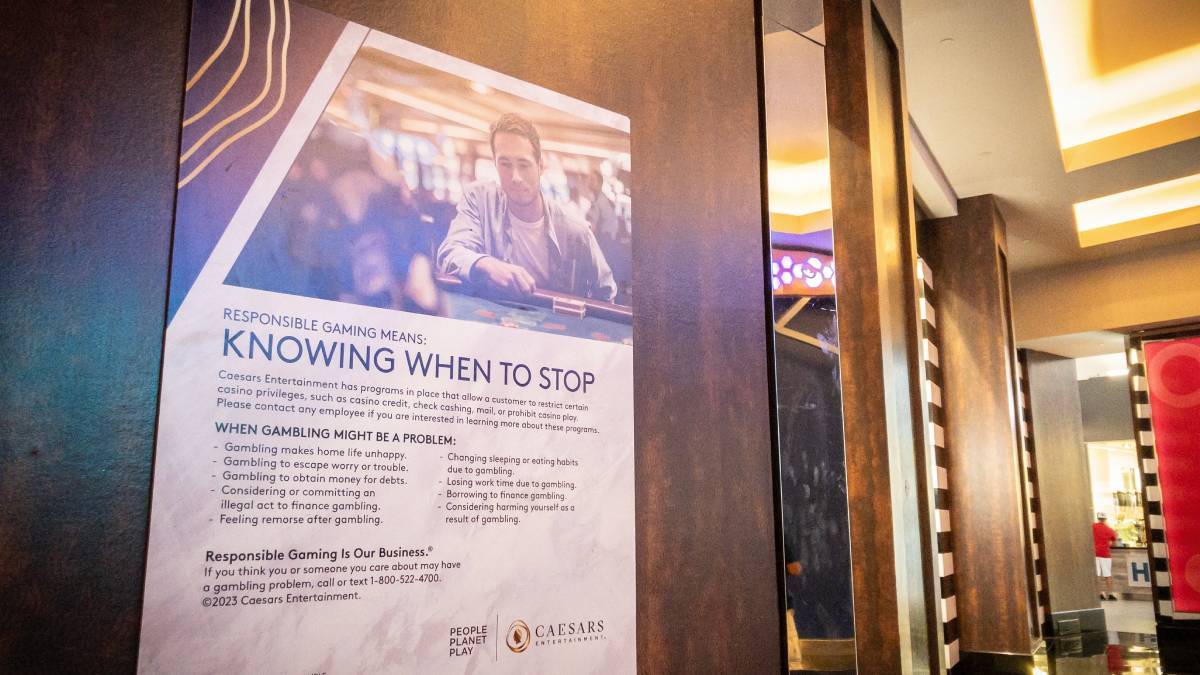
Responsible Gambling Resources
Pennsylvania offers support for individuals dealing with gambling problems. The state helpline is available at 1-800-426-2537 and provides confidential assistance.
The Hollywood Casino Grantville case highlights how strict Pennsylvania’s self-exclusion rules are, even when a player wins big.
Here at Action Network, we believe responsible gambling should be treated as entertainment, not a way to make money, and we encourage players to set clear limits before they bet. It also important to point out that you should use practical tools and resources such as deposit limits, spending limits, session timers, and self-exclusion, along with links to outside support organizations like the National Council on Problem Gambling and Gamblers Anonymous.


