


The decline in Las Vegas tourism is not hurting the Silver State's overall revenue.
In November, Nevada’s casinos showcased their resilience by achieving a remarkable $1.34 billion in gaming revenue, reflecting a 2.4% rise compared to the previous year.
This accomplishment not only ranks as the second-highest November on record but also underscores the industry's robust financial strength despite a dip in tourism.
Adding to this success is the impressive streak of 57 consecutive months where the state's gaming revenue has surpassed the $1 billion mark, highlighting the sector's enduring profitability even as tourism indicators show some softness.

The Strip Versus Submarkets
While the Las Vegas Strip remains a giant in the market, generating $784.3 million (58.2% of the statewide total), it saw a slight dip of 0.6% from last year. However, other areas in Clark County more than made up for this, exhibiting significant growth.
| Area | November 2025 win | YoY change | Note |
|---|---|---|---|
| Strip | $784.3M | -0.6% | Still 58.2% of state total. |
| Boulder Strip | $79.5M | +20.0% | Best-performing submarket. |
| Downtown LV | $87.2M | +10.3% | Strong downtown growth. |
| Laughlin | $38.0M | +11.6% | Double-digit increase. |
| Mesquite | $18.2M | +10.7% | Solid regional gain. |
| South Lake Tahoe | $13.8M | -4.6% | One of few declining markets. |
For example, the Boulder Strip soared with a 20% increase, pulling in $79.5 million, making it the best-performing submarket.
Similarly, Laughlin ($38 million), Mesquite ($18.2 million), and downtown Las Vegas ($87.2 million) all enjoyed double-digit growth, showcasing a vibrant local gaming ecosystem outside of the Strip.
Las Vegas Tourism Patterns Present A Mixed Bag
Despite the positive financial results, Las Vegas is facing a decline in visitation. In November 2025, visitor numbers dropped 5.2% from last year, continuing an 11-month trend of declining numbers.
Hotel occupancy fell slightly to 79.4%, and average daily rates (ADR) and revenue per available room (RevPAR) also saw declines, indicating less robust lodging profitability.
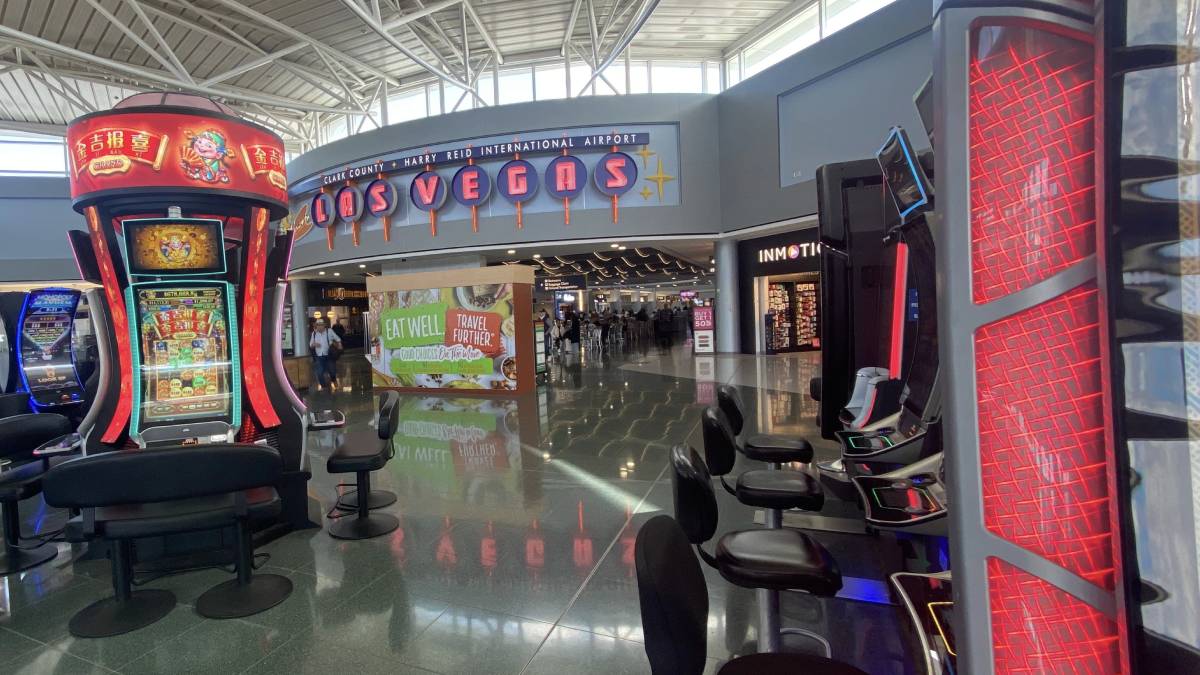
Furthermore, passenger numbers at McCarran Airport fell by 9.6%, marking the largest monthly decline of the year. However, traffic on highways into Las Vegas increased, suggesting a shift in travel preferences, with more visitors opting to drive rather than fly into the city.
Market Dynamics and Fiscal Impact
Analysts describe the Strip’s performance as "solid," with events like the Formula One Grand Prix providing a modest boost. However, a lower baccarat hold this year partly explains the Strip's slight revenue decline.
This is a little surprising since baccarat, a favorite card game, saw profits jump by 51% from the previous year as late as August.
Throughout November, statewide gaming win rose by 1.5% for the year to date, driven by Southern Nevada’s local and regional markets outperforming the Strip in growth percentage terms.
This financial success translated into $513.3 million in gaming tax collections for the fiscal year’s first half, marking a 4.9% increase and a substantial contribution to Nevada’s general fund. Despite the tourism struggles, Nevada’s casinos are proving to be a vital economic driver.
Overall, Nevada’s gaming sector continues to thrive despite a challenging tourism environment. While visitor numbers dwindle, the state's casinos are finding ways to attract more local and drive-in visitors, ensuring that gaming revenues remain solid, if not growing.
As the industry adapts to these changes, its sustained financial health remains a crucial contributor to the state's economy.


