


New Jersey Governor Mikie Sherrill is facing a heated debate that's been simmering for years: whether to prohibit smoking inside Atlantic City casinos.
Governor Sherrill recently visited Caesars Palace in Atlantic City. During an interview with The Press of Atlantic City, she urged the New Jersey Legislature to take decisive action and resolve this contentious issue.

New Jersey Governor's Stance on Smoking
Despite this battle brewing for almost a year, Governor Sherrill has consistently supported a smoke-free policy for casinos.
She has questioned why the industry clings to smoking, pointing out that smoking rates among younger people are much lower today. She believes that ending smoking on casino floors might even enhance Atlantic City's long-term appeal and business prospects.
“I’ve heard from workers on both sides, people who want the smoking ban, people who don’t and are worried about business," she told The Press of Atlantic City. "I think what we need to do first and foremost is make sure we’re protecting the safety of workers and at the same time ensuring that we have jobs and we’re continuing to grow the economy here.”
Groups like Casino Employees Against Smoking Effects (CEASE) have praised her position, urging her to make banning smoking a priority. Sherrill's recent call for legislative action is a push for progress, emphasizing that it is ultimately lawmakers' responsibility to pass a bill to resolve the issue.
A lawsuit challenging the exemption is ongoing, with recent court rulings pushing for a more thorough review. While no definitive ban is in place yet, the new administration and legislature are under pressure to act. The outcome of this debate could significantly affect thousands of casino workers and patrons.

Smoking Exemptions and Health Concerns
In 2006, New Jersey enacted the Smoke-Free Air Act, banning indoor smoking in most public spaces and workplaces to protect against secondhand smoke. However, casinos received an exemption, allowing smoking on gaming floors—a provision that has sparked controversy for years.
Casino workers, including advocacy groups like CEASE and the United Auto Workers, argue that the exemption forces employees to inhale harmful smoke daily, violating their right to a safe workplace. Studies have shown elevated toxin levels on casino floors, and anti-smoking advocates claim the exemption is an outdated loophole.
They argue that as smoking is banned in many other places, including beaches and boardwalks, casinos should not be an exception.
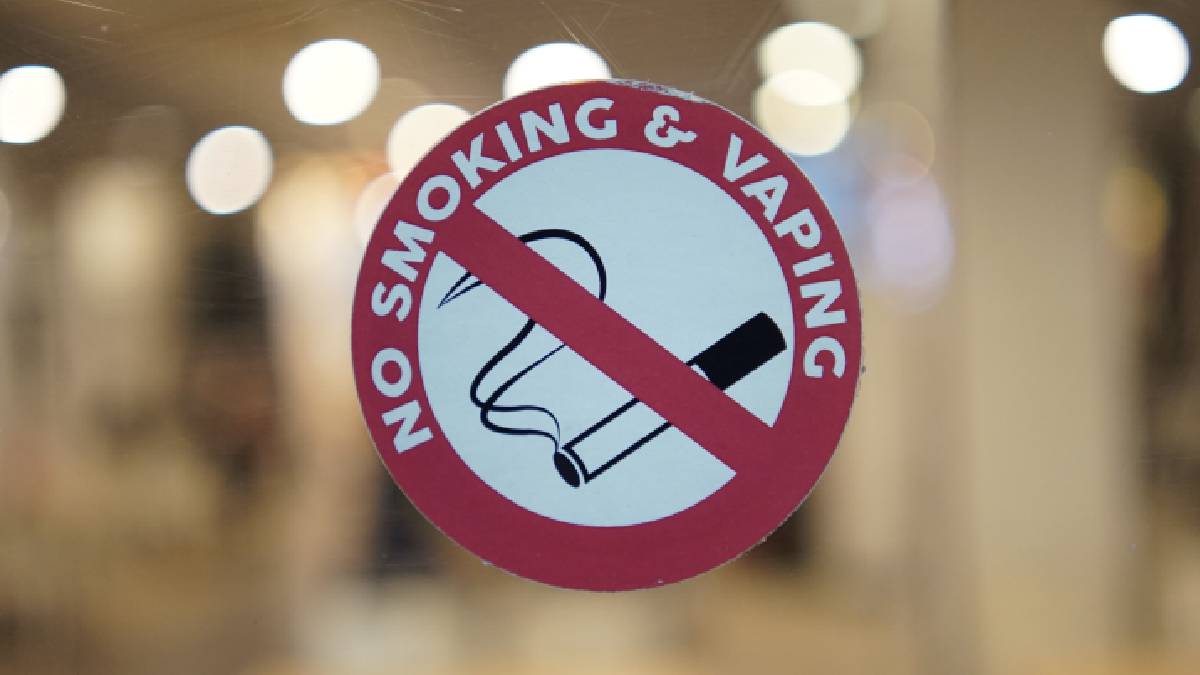
Casino operators counter with economic concerns.
They argue that a complete ban on smoking could hurt revenue, as many of their customers enjoy smoking while gambling. Operators fear that players might take their business elsewhere, potentially impacting Atlantic City's economy. This fear lingers despite temporary smoking bans during the COVID-19 pandemic, which were lifted in 2021.
Smoke-Free Laws in Other States
Across the United States, the approach to smoking in gaming facilities varies.
While many states with comprehensive indoor clean air laws still exempt casinos, a growing number are closing these loopholes. Notable examples of states that require 100% smoke-free indoor air in gambling venues include:
- States with 100% Smoke-Free Casinos:
- Colorado
- Illinois
- Maryland
- Massachusetts
- New York
- Ohio
However, some states still permit smoking or allow for designated smoking areas, including:
- States Allowing Smoking or Designated Areas:
- Kansas – but considering new legislation
- Iowa
- Louisiana
- Michigan
- Nevada
There's also a notable trend of tribal casinos voluntarily becoming smoke-free, although they are often exempt from state laws due to their sovereignty. The debate over smoking in casinos highlights ongoing tensions between public health concerns and economic arguments.

New Jersey Casinos Part of Growing Trend
Worker advocacy groups continue to push for smoke-free policies, emphasizing the health risks associated with secondhand smoke. Meanwhile, industry representatives worry about potential revenue loss, though studies offer mixed results regarding the economic impact of smoking bans.
Recent trends show a shift towards smoke-free environments, driven by health advocacy and shifting public attitudes. Rhode Island, for instance, is phasing in a full ban inside gaming facilities by 2027. As more states and properties adopt smoke-free policies, the potential for change in Atlantic City grows.
Governor Sherrill's leadership is pivotal as she nudges the New Jersey Legislature to make a definitive decision, moving beyond a debate that affects the health and safety of casino workers and the future of Atlantic City's gaming industry.


