


Kalshi and Polymarket—the two largest U.S.-based prediction market platforms—announced new self-imposed rules, often referred to as "guardrails."
They're aimed at curbing insider trading and conflicts of interest.
This move came hours after Democratic Sen. Adam Schiff of California and Republican Sen. John Curtis of Utah introduced bipartisan legislation called the "Prediction Markets are Gambling Act."
The timing suggests the platforms are trying to demonstrate proactive responsibility to regulators and lawmakers, potentially to soften or head off stricter federal regulations.
Both companies have been expanding rapidly, especially into sports-related contracts, which have driven much of their recent growth and volume.

The New Rules from Each Prediction Market Platform
Kalshi's Changes (More Targeted):
Political candidates are banned from trading on contracts related to their own campaigns or elections.
Anyone involved in college or professional sports (athletes, coaches, staff, referees, etc.) will be preemptively blocked from trading on markets tied to the sports or events they're part of. Previously, Kalshi investigated suspicious trades post-fact; now it aims to prevent them upfront.
The company also added new surveillance tools and emphasized alignment with existing CFTC guidance (the Commodity Futures Trading Commission oversees these platforms as event contracts).
Kalshi noted these ideas had been in development for months.
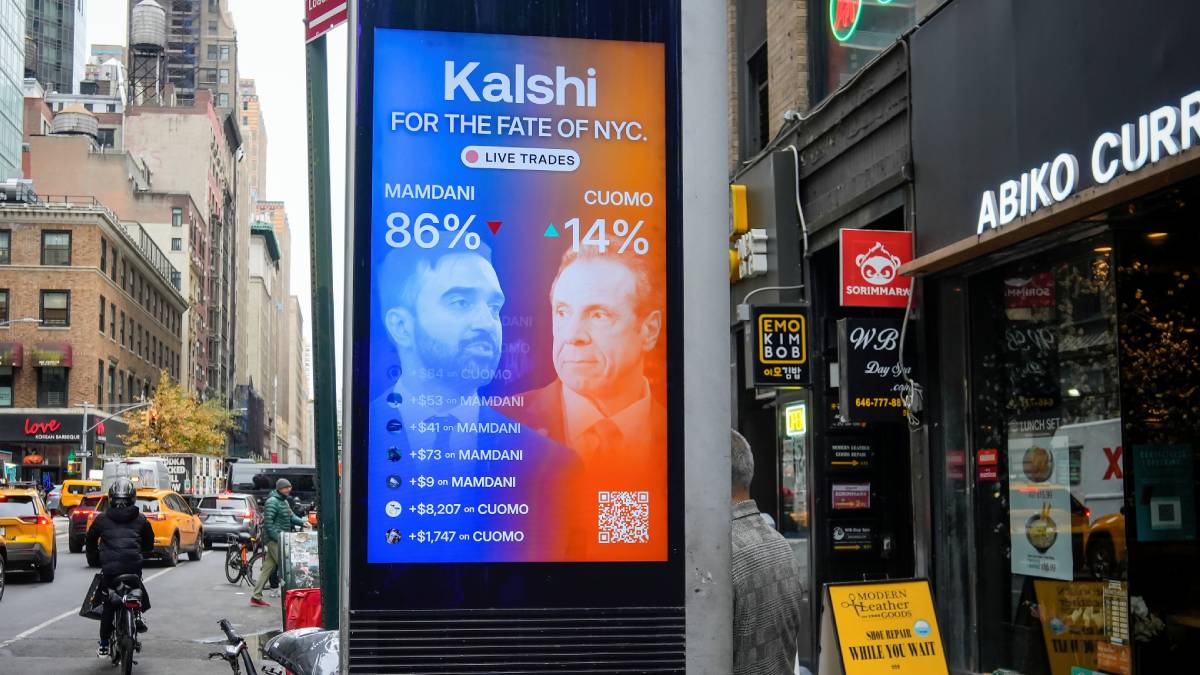
Polymarket's Changes (Broader):
Polymarket updated its rules to explicitly prohibit users from trading on any contract where they might have confidential or non-public information or could influence the event's outcome.
The platform also cracked down on the use of stolen information and illegal tips, enhancing monitoring and surveillance.
Polymarket's ban is described as wider in range than Kalshi's.
These moves address long-standing criticisms of prediction markets: the risk that insiders (politicians, athletes, insiders with early info) could manipulate or unfairly profit from outcomes they control or know about. Past issues include a political candidate trading on their own race and an editor using non-public info about a YouTube star.

The Triggering Legislation
The "Prediction Markets are Gambling Act" would amend the Commodity Exchange Act to ban CFTC-registered platforms, like Kalshi and Polymarket, from offering contracts on sports events or athletic competitions and casino-style games.
Why? Senators argue these function as unlicensed sports betting that bypasses state gambling laws, creates tribal sovereignty issues, and generates no public revenue, unlike regulated sportsbooks.
Prediction markets have seen explosive growth in sports wagering, and both companies have partnerships with sports teams and leagues for credibility. If passed, the bill could "substantially destroy" a significant portion of their business model.
Several bills have been introduced to address related issues. These included banning contracts on subjects like war, death, and terrorism (like Schiff's separate DEATH BETS Act). They also targeted political events, insider trading by officials, or delegating more authority to states.
But this bill is different.
This is the first bipartisan Senate bill specifically targeting sports on these platforms. Traditional sports betting is regulated at the state level following a 2018 Supreme Court ruling, but prediction markets operate under federal CFTC rules as "event contracts," akin to futures on real-world outcomes.

The Framework Behind Prediction Markets
Prediction markets allow people to buy or sell contracts on outcomes like elections, weather, or sports ("Will Team X win?").
They're often praised for efficiently aggregating information, like a "wisdom of crowds" mechanism, but criticized as thinly veiled gambling, especially when volumes are high and insider risks exist.
The platforms' response reflects classic industry self-regulation under regulatory pressure—demonstrating they're "cleaning house" while lobbying that outright bans, especially on sports, could push activity offshore or underground.
Kalshi has publicly argued (like in its battle with Maryland) that a sports ban would drive behavior to unregulated sites rather than eliminate it.
What's Next in the Prediction Markets Battle?
All in all, this is a fast-moving regulatory pushback against the booming prediction market sector.
The biggest players are acting quickly to limit obvious abuse cases (e.g., politicians on their races, athletes on their games) while lawmakers consider broader restrictions on sports gambling through this loophole. The bill's fate is uncertain—it would need to pass both chambers and be signed—but it signals growing bipartisan scrutiny.


