


When it comes to gambling, Alabama is one of the few U.S. states without a state lottery or broad legalized gambling options.
Currently, limited options include the Poarch Band of Creek Indians' Wind Creek casinos, charitable bingo, and pari-mutuel betting. Despite numerous attempts to expand these options over the years, moral, religious, political, and regulatory concerns have stalled progress.
This year is no different.
Lawmakers in the Yellowhammer State are critically evaluating two key proposals to expand gambling in Alabama. However, with the legislative session set to end in 9 days, time is running out.

Two Alabama Gambling Plans Being Considered
As the Alabama Legislature races against time to decide on gambling expansion, two distinct approaches have emerged as front-runners.
These plans represent different visions for the future of gambling in The Heart of Dixie, each with its own set of advantages and challenges.
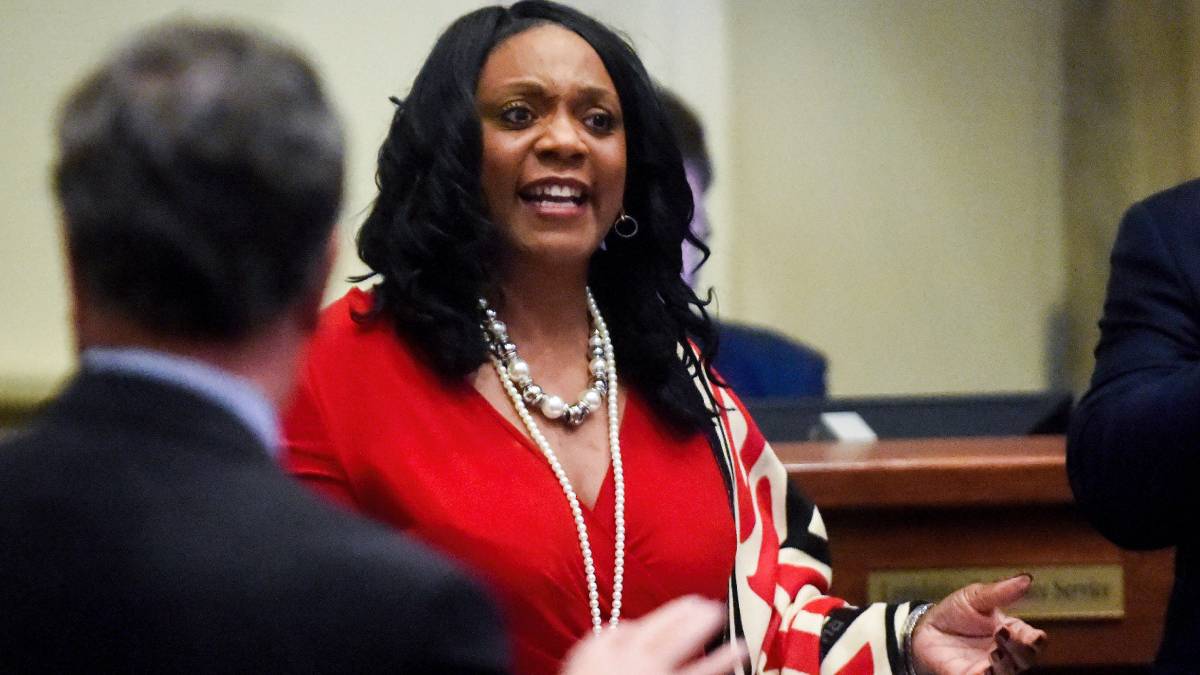
Comprehensive Gambling Expansion:
- Led by Sen. Merika Coleman with Senate Bill 257 (SB257).
- Proposes a state lottery, casino-style gaming, and sports betting.
- Requires a constitutional amendment and voter approval through a statewide referendum.
- Would establish a state gaming commission to oversee all activities.
The comprehensive plan aims to transform Alabama's gambling landscape significantly, opening up new avenues for economic growth and state revenue. However, its broader scope may face more formidable political hurdles.
Lottery-Only Plan:
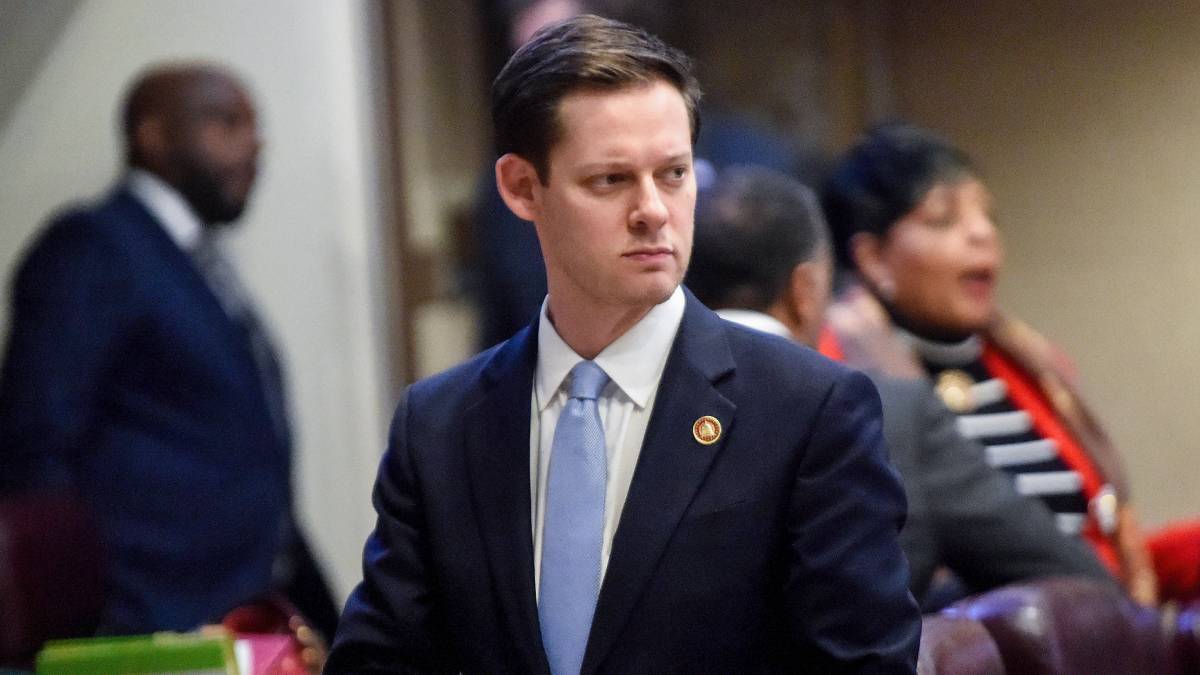
- Spearheaded by Rep. Phillip Ensler with the "Clean Lottery Act."
- Focuses solely on establishing a state lottery without additional gambling expansions.
- Designed to minimize political opposition and gain easier acceptance.
In contrast, the lottery-only proposal offers a more conservative step forward, targeting immediate financial benefits with fewer political complications. This streamlined approach might just provide the path of least resistance.
Political and Public Interest
With the legislative session rapidly approaching its end, neither proposal has made significant progress, both remaining stuck in committees. Key factors influencing this include:
- Bipartisan Support: Achieving a supermajority is crucial for advancing constitutional amendments, requiring strong bipartisan backing.
- Election Year Dynamics: Political caution is heightened in an election year, making it more challenging to pass such transformative legislation.
- Voter Sentiment: The potential for increased state revenue remains a pivotal point, as neighboring states currently benefit from Alabamians' gambling spend.
The state doesn't allow a lottery, commercial casinos, online casinos, sports betting, or Class III tribal casinos with Las Vegas-style games. The only types of gambling allowed are charitable gaming, parimutuel wagering, and Class II tribal gaming.
But revenue generation could eventually sway lawmakers' thinking.

Revenue Projections and Implications
The prospect of significant state revenue from establishing a lottery underscores the urgency:
- Estimates for Rep. Phillip Ensler's proposal cite approximately $300 million annually, with funding allocated to public education and other critical areas.
- Historical projections have ranged from $270 million to $438 million, highlighting valuable financial opportunities for the state.
Despite this potential, the battle wages on. But people in Alabama can play online sweepstakes casinos if they so choose.

Online Gambling and Sweepstakes Casinos
While traditional sports betting and online casinos remain prohibited, sweepstakes casinos offer a legal workaround:
- Sweepstakes Casinos:
- Use dual-currency models for gameplay and prize redemption.
- Operate in a legal gray area, without state regulation or taxation.
These platforms continue to offer Alabama residents online gaming alternatives while broader legislative changes are debated.
Alabama Lottery and Gambling Bills Face Uncertain Future
With the Alabama legislative session nearing its conclusion, the race against time to pass meaningful gambling expansion legislation is more pressing than ever.
The ongoing debate underscores the potential financial benefits to the state and the intricate socio-political dynamics at play.
As the deadline approaches, the fate of these proposals remains uncertain. Will Alabama choose a bold leap into comprehensive gambling, or take a measured step with a lottery-only focus? The decision could reshape the state's approach to gambling for years to come.


