


Underdog Sports is no longer just a daily fantasy sports platform. The company officially launched its own Commodity Futures Trading Commission (CFTC)-licensed prediction market exchange. It's a major shift in how users can engage with sports and real-world events on the Underdog App.
“We started this company with a clear belief – there is so much more to be built for sports fans in America. Despite incredible changes in the U.S. market in recent years, through the twisting journey from fantasy sports to regulated sports betting to prediction markets, we still see an industry that far too often simply misses in serving sports fans,” Jeremy Levine, CEO and co-founder of Underdog, said.
“Now with our own exchange, we’re going to unlock so much for more sports fans. Prediction markets are largely about sports, and Underdog is the best at sports.”
This move positions Underdog as a serious player in the fast-growing U.S. prediction markets space, alongside platforms like Kalshi and Polymarket.
It will also compete directly with online fantasy and sportsbook sites FanDuel.
What is the Underdog Sports?
Since 2020, the Underdog app built its reputation through daily fantasy sports (DFS) and pick’em contests. It quickly grew into a billion-dollar company, competing with major names like PrizePicks.
Today, Underdog Sports offers:
- DFS contests across multiple leagues
- Limited sports betting in select states
- A fully integrated prediction market platform
This expansion shows a clear shift toward offering more flexible and widely accessible products beyond traditional betting.
What Changed With the Underdog App?
Underdog became the first sports gaming platform to integrate sports prediction markets into its app last fall, initially acting as a partner that connected users to external exchanges.
Over the weekend, Underdog launched its own prediction market exchange under full CFTC regulation.
- This is a big deal because Underdog now controls its entire system, including:
- The exchange (where trades happen)
- The clearing system (which settles trades)
Before this, Underdog partnered with companies like Crypto.com and Kalshi. Now, it operates independently, giving it more control over pricing, features, and product rollout.
How Prediction Markets Work
Prediction markets on the Underdog app allow users to trade “event contracts.” These are simple yes-or-no outcomes tied to real-world events.
For example:
- Will the Cleveland Browns win Week 1?
- Will an NBA team make the playoffs?
Each contract typically ranges from $0 to $1:
- Buy “Yes” at $0.60 → win $1 if correct
- Sell before the event if the price rises
Prices move in real time based on what other users think will happen. This creates a live market similar to stock trading, but based on outcomes instead of companies.
Why CFTC Regulation Matters
Unlike traditional sportsbooks, Underdog Sports operates under federal regulation from the CFTC.
This has several key impacts:
- Nationwide access: Prediction markets can reach users in over 35 states, including places where sports betting is not legal.
- Age access: Typically available to users 18+, instead of 21+ for sportsbooks.
- Market integrity: Platforms must monitor for fraud, insider trading, and manipulation.
- Structured risk: Contracts are fully funded upfront, so users cannot lose more than they invest.
However, this model also creates tension. Some states argue these markets function like gambling, leading to ongoing legal challenges.
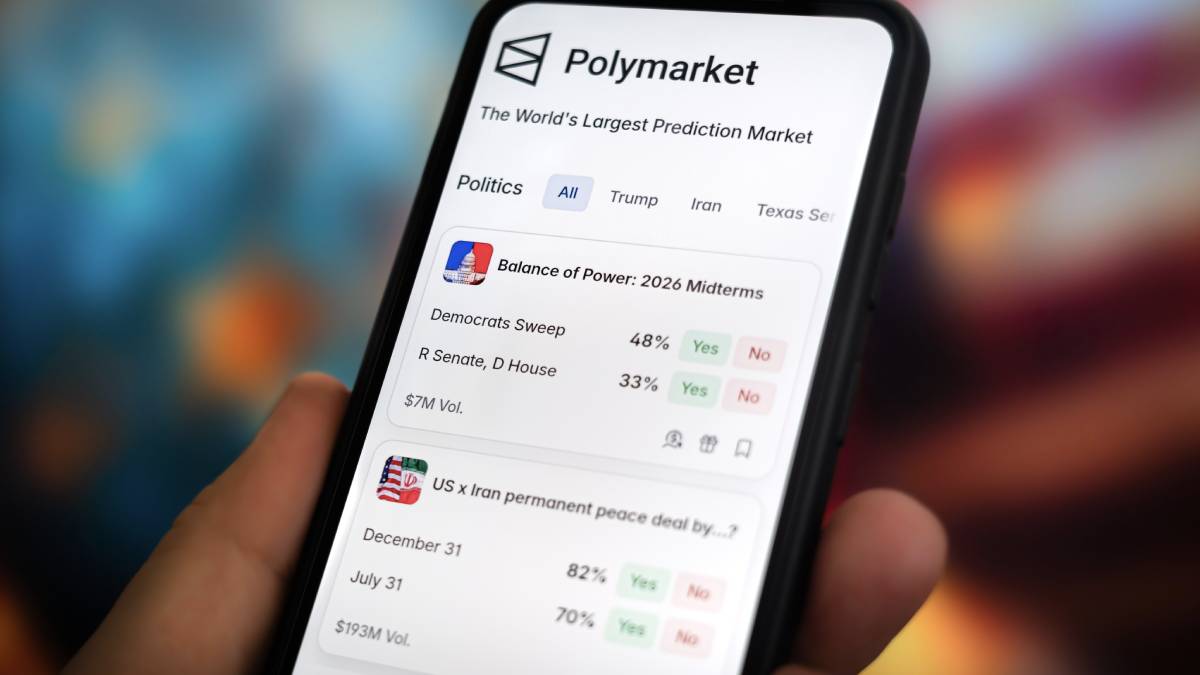
A Growing Industry Trend
The rise of prediction markets has accelerated since the 2024 election cycle. Platforms like Kalshi and Polymarket helped drive mainstream interest, and now sports-focused companies are entering the space.
Underdog's advantage is clear:
- Built-in user base from DFS
- Sports-focused contracts
- Full regulatory infrastructure (exchange + clearing)
As of now, Underdog reported roughly $6.49 billion in total trading volume, placing it among the top platforms in the U.S.
What’s Next for Underdog Sports?
While sports remain the core focus, Underdog plans to expand into:
- Cultural events
- Awards and entertainment markets
- Broader real-world outcomes
At the same time, the CFTC continues to refine its rules. New proposals in 2026 aim to limit contracts tied to things like player injuries or specific in-game actions, while allowing broader outcomes like final scores or season results.
This means the product will continue to evolve alongside regulation, and that the Underdog app will quickly become more than a DFS platform. By launching its own CFTC-licensed exchange, Underdog Sports is betting big on prediction markets as the future of interactive sports engagement.
For users, it offers a new way to participate in sports outcomes with more flexibility and wider access. For the industry, it signals a shift toward federally regulated, market-based alternatives to traditional betting.


