


Prediction markets are online platforms where people trade contracts tied to the outcomes of future real-world events.
These events can include elections, sports results, economic indicators (like inflation or job numbers), financial benchmarks, pop culture awards, weather, or even niche questions like whether a specific word will be mentioned in an earnings call.
How Prediction Markets Work
They're different from sports betting, legal online casinos, or even sweepstakes casinos in a number of ways.
At their core, prediction markets function like stock exchanges but for probabilities instead of company shares. They use event contracts, typically binary (yes/no) questions that resolve on a specific date. A contract usually has a nominal value of $1.
- You buy "Yes" shares if you think the event will happen or "No" shares if you think it won't.
- Shares trade between $0 and $1. The current market price directly reflects the crowd's collective estimate of the probability.
- For example: if a "Yes" share on "Will Candidate X win the election?" trades at $0.65, the market implies a 65% chance of that outcome.
Traders can buy and sell shares at any time before resolution (not just hold until the end), allowing the price to update in real-time as new information emerges.
When the event resolves:
- Correct shares pay out $1 each.
- Incorrect shares pay out $0.
Profit (or loss) comes from the difference between what you paid and the final $1 or $0 payout. If you buy at $0.40 and it resolves Yes, you gain $0.60 per share.
Trading happens via order books (buyers and sellers matching bids/asks) or automated market makers on some platforms.
The financial incentive—real money at risk—encourages people to research, reveal private information, and correct mispricings. This aggregation of beliefs often makes the market price a highly accurate forecast, frequently outperforming traditional polls or expert opinions because it rewards accuracy and punishes wishful thinking.

Why They Matter
Prediction markets are sometimes called "information markets" or "idea futures" because they harness the wisdom of crowds with skin in the game.
Key benefits include:
- Better forecasting: They have a strong track record in areas like elections and economic data, as participants weigh news, data, and incentives dynamically.
- Information discovery: Prices update quickly with new developments.
- Hedging and decision support: Businesses or individuals can use them to offset risks tied to events (e.g., an election outcome affecting markets).
- Democratic element: Anyone can participate; expertise is "flattened" by how much you're willing to risk on your view.
They differ from traditional sports betting or gambling in emphasis: sportsbooks set odds to balance books and guarantee a house edge, while prediction markets let the crowd set the probabilities through trading.
Popular Prediction Market Platforms
Major players in the prediction market industry include:
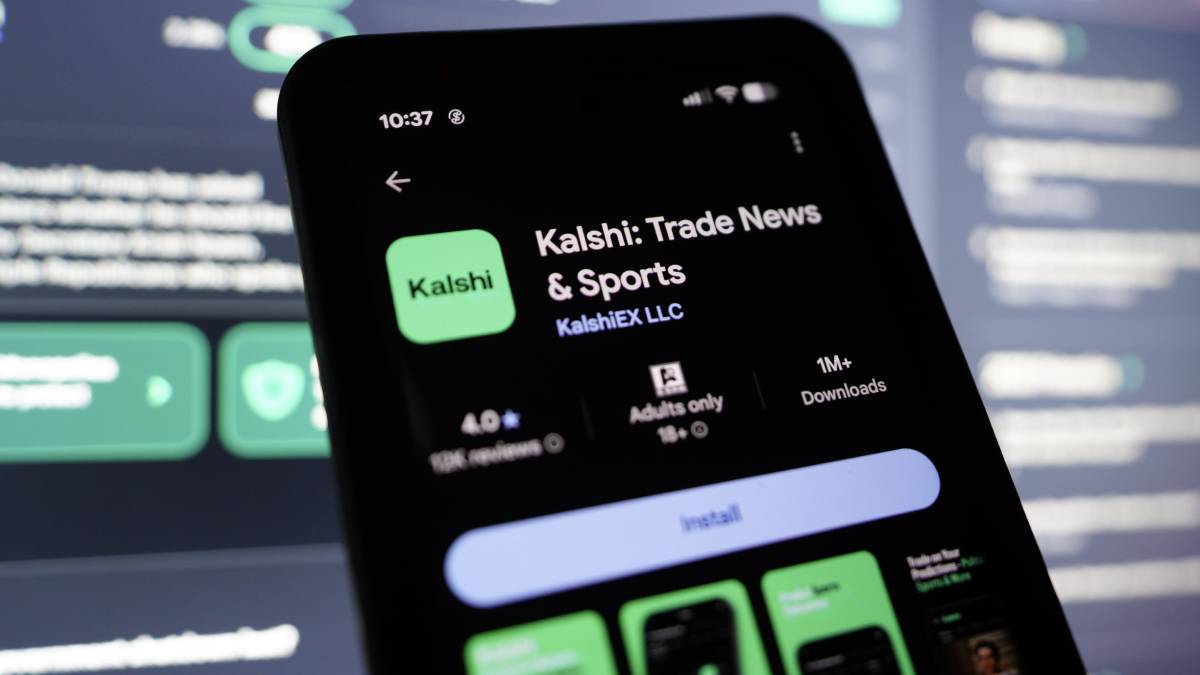
- Kalshi: CFTC-regulated, U.S.-focused, strong in politics, economics, and sports. Uses USD and has institutional interest.
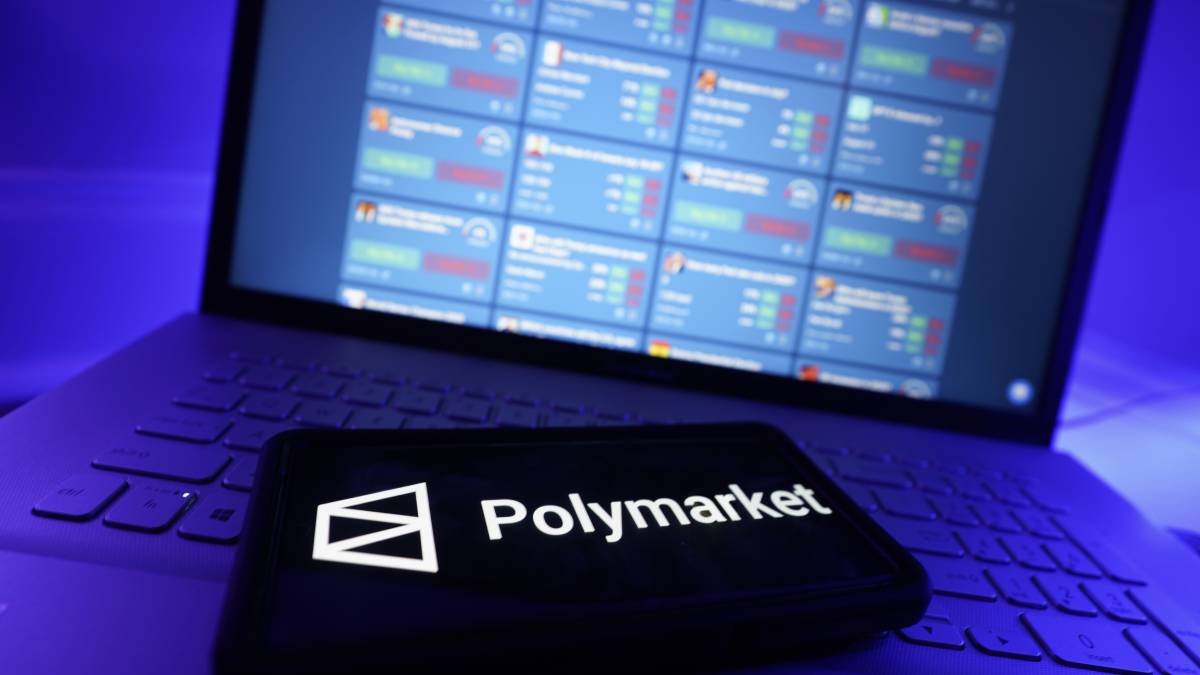
- Polymarket: Crypto-native (often uses USDC), high global liquidity and volume, popular for a wide range of events.
- Fanatics Markets: Trade event contracts on big outcomes in sports, finance and culture through a regulated futures setup instead
- FanDuel Predicts: Offers contract trading on sports and finance, with a focus on U.S. states that currently lack legal online sports betting.
- Novig: Flips the script on traditional sports betting, offering a social, peer-to-peer experience
- ProphetX: A social trading/sweepstakes model to let users play for free and compete for real money prizes.
- Underdog: Acquired the Aristotle Exchange to deliver prediction markets in-house.
Trading volumes have surged into the billions, especially around elections and major sports events.
Prediction Market Platforms: Risks and Criticisms
Prediction markets can be entertaining, but it's important to know about the risks and issues they might have."
- High risk: Like any speculative trading or betting, you can lose your entire stake. They're short-term, all-or-nothing instruments—not suitable for long-term investing.
- Addiction potential: Some view them as gambling due to the event-based, probabilistic nature.
- Manipulation or biases: Low-liquidity markets can be swayed; large traders or coordinated groups might influence prices temporarily. Regulatory scrutiny exists around whether they're truly investments or gambling.
- Legal/tax issues: Availability varies by country and platform (many are regulated by bodies like the CFTC in the U.S.). Profits are often taxable; losses may be deductible but with limits.
- Ethical debates: Betting on sensitive outcomes (e.g., geopolitical events) raises questions about profiting from misfortune.
Overall, prediction markets turn collective beliefs into actionable probabilities through market forces. They're powerful for forecasting but require caution—only risk what you can afford to lose, and treat them as high-risk speculation rather than guaranteed insight.
If you're interested in trying one, start small and research the specific platform's rules and resolution process. Just remember to always exhibit responsible gambling practices. Set limits and never spend more than you can afford.


