


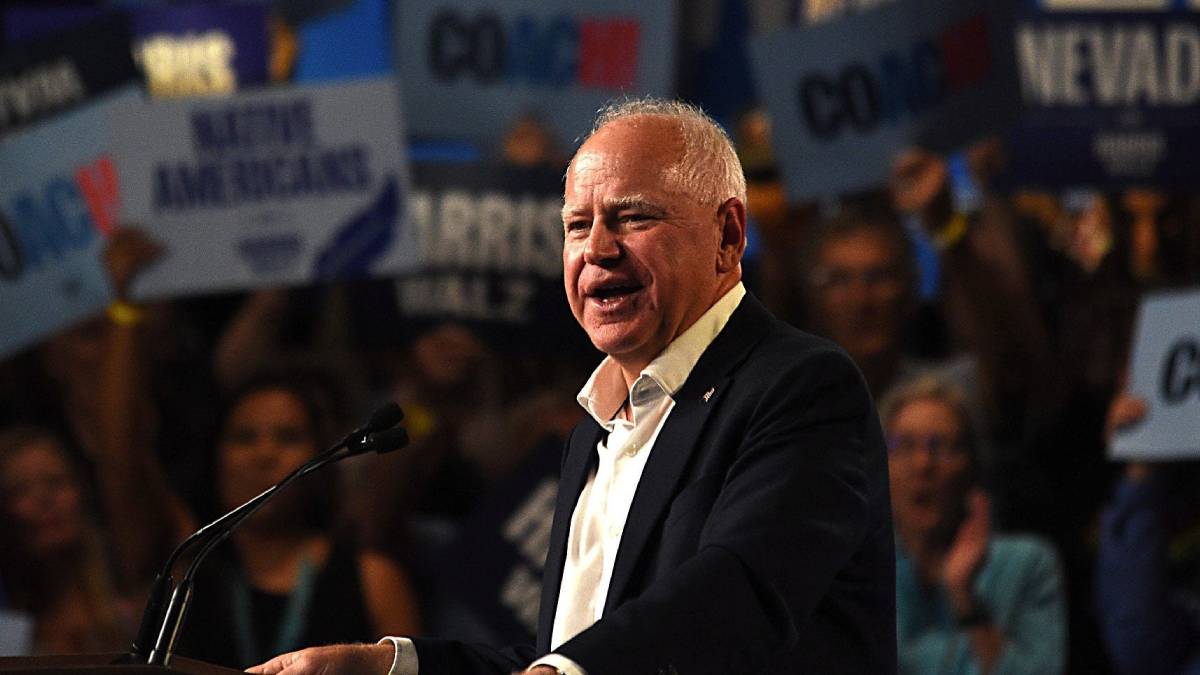
Minnesota has become the first U.S. state to ban prediction markets outright, setting off an immediate legal battle with federal regulators. Just one day after Governor Tim Walz signed the bill into law, the Commodity Futures Trading Commission (CFTC) filed a lawsuit to block it.
“This Minnesota law turns lawful operators and participants in prediction markets into felons overnight,” said CFTC Chairman Michael S. Selig. He added that the ban could also harm farmers who rely on weather- and crop-based contracts to manage risk.
The new law marks the most aggressive attempt yet by a state to shut down CFTC-regulated prediction markets (like Polymarket and Kalshi), raising questions about whether states can override a federal system that has governed derivatives trading for decades.
It also comes just a month after a Minnesota lawmaker was caught betting on his own race.

What Are Prediction Markets?
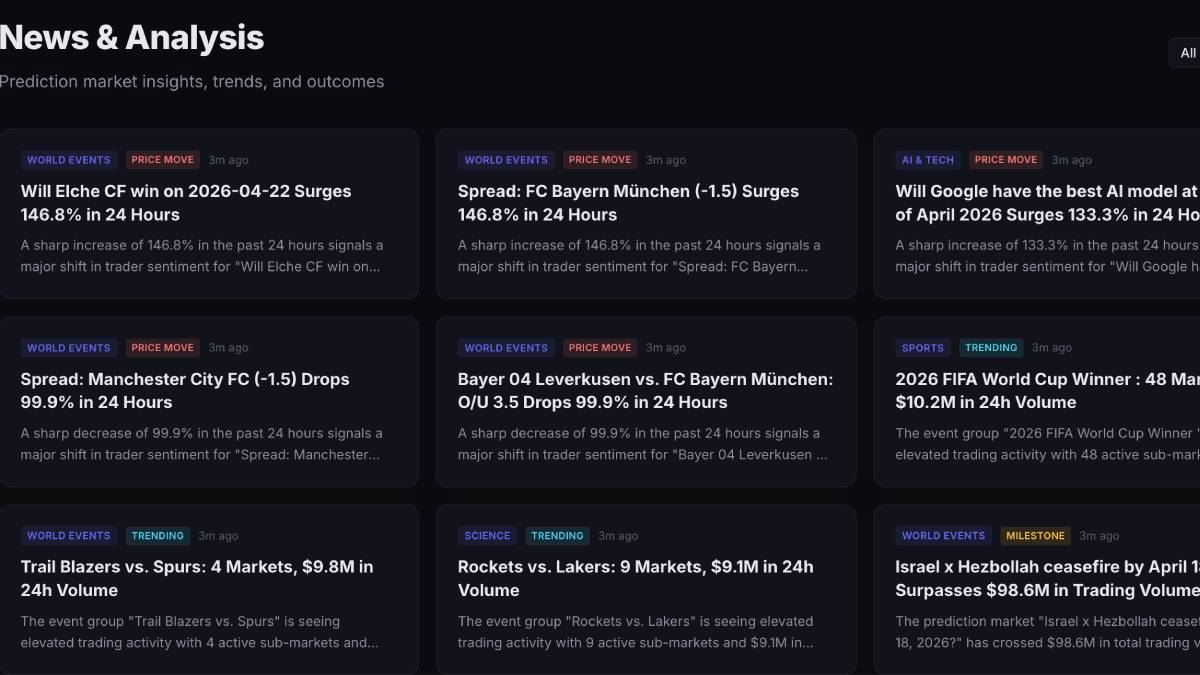
Prediction markets are online platforms where users buy and sell contracts based on the outcome of real-world events. These events can include elections, sports games, weather patterns, or even global conflicts. If a user correctly predicts the outcome, they earn a payout.
Supporters say prediction markets help forecast real-world events by pooling public opinion and data. Critics, however, argue that they resemble gambling, especially when tied to sensitive topics like politics or disasters.
Minnesota’s New Law
This week, Governor Tim Walz signed a public safety bill that includes strict rules targeting prediction markets. Starting August 1, 2026, it will be a felony to operate, promote, or assist these platforms within the state.
- The law applies broadly and covers:
- Sports betting-style event contracts
- Election-related predictions
- Weather and agricultural forecasts
- Global events such as wars or terrorism
- Pop culture outcomes
It even extends to tools like VPNs that could help users bypass the ban. Lawmakers say the goal is to protect residents from addiction and close what they see as a loophole around Minnesota’s existing ban on sports betting.
Federal Government Pushback
Just one day after the bill was signed, the CFTC filed its lawsuit. The agency argues that prediction markets fall under federal regulation, not state law.
According to the CFTC, these platforms operate as financial markets for “event contracts,” which are treated as derivatives under the Commodity Exchange Act. This means they are already regulated at the national level.
CFTC Chairman Michael Selig warned that Minnesota’s law could turn legal participants into criminals overnight.
The Core Legal Argument
At the center of the lawsuit is the idea of federal preemption. This legal principle means that federal law overrides conflicting state laws.
The CFTC makes several key claims:
- It has exclusive authority over derivatives markets, including prediction markets.
- Minnesota’s ban interferes with a national regulatory system.
- Allowing states to create their own rules could lead to a confusing patchwork of laws.
For example, a federally approved platform operating legally across the U.S. could suddenly become illegal in one state, disrupting users and businesses alike.

Why This Case Matters
This case could shape the future of prediction markets across the country. If the court sides with the CFTC, it would reinforce federal control and allow these platforms to operate nationwide under a single set of rules.
If Minnesota wins, other states may follow with their own bans, creating a fragmented market.
There are also broader concerns at play, including:
- The risk of insider trading or market manipulation
- Ethical questions around betting on elections or disasters
- The role of prediction markets in financial and agricultural planning
For instance, farmers sometimes use weather-based contracts to hedge against crop losses. A broad ban could limit these practical uses.
What Happens Next?
For now, Minnesota’s law is on hold while the court reviews the case. Legal experts expect a lengthy battle, possibly reaching higher courts due to its national importance.
In a recent lawsuit, a federal court in Arizona blocked the state from using its gambling laws to charge prediction market operators with crimes, according to the CFTC. The agency has also filed lawsuits against Connecticut, Illinois, and New York, and submitted legal briefs in higher courts, including federal appeals courts and Massachusetts’ top court.
This dispute(s) highlight a growing tension between state governments and federal regulators over emerging financial technologies. As prediction markets continue to evolve, the outcome of this case could define how they are regulated for years to come.


