


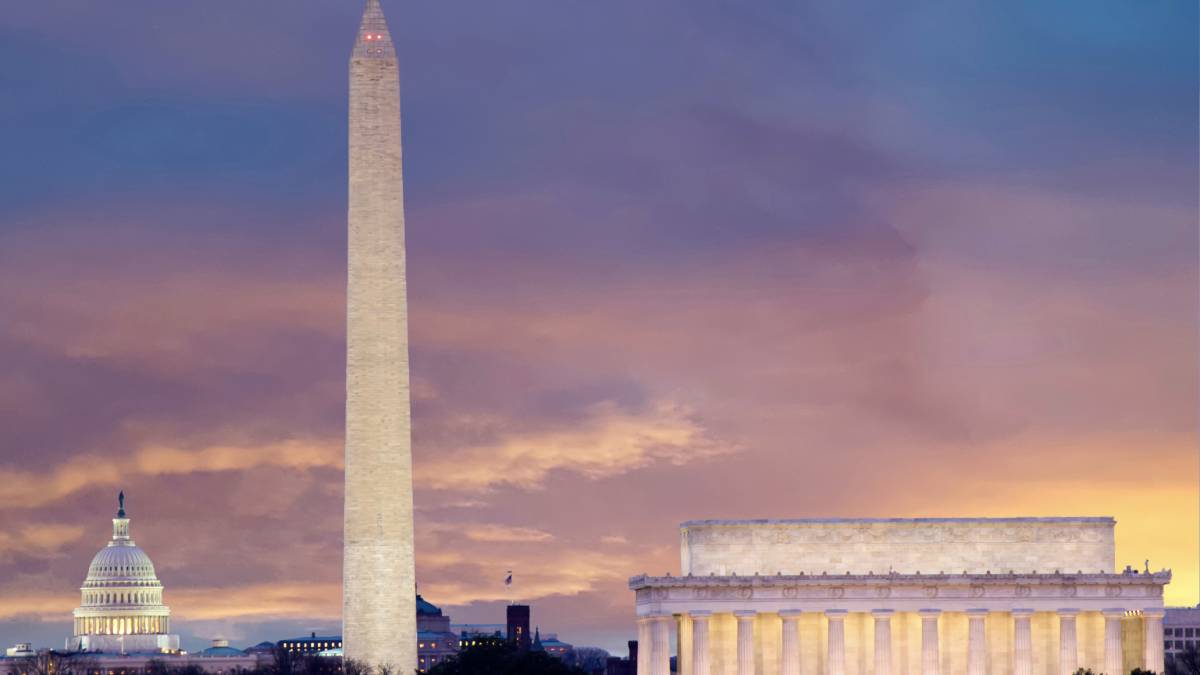
Washington DC, renowned for its iconic landmarks and deep-rooted history, is now turning heads for a different reason.
There's an increasing buzz about the city's potential venture into online casino gaming. Leading this charge is Councilmember Wendell Felder, a relatively new, yet influential figure in the political landscape of the District of Columbia.
Felder is already making waves in the Potomac with his latest legislative proposal: the Internet Gaming and Consumer Protection Act of 2026 (Council Bill B26-0656).
The announcement comes as work on the "Mini-Sphere," which is being built at National Harbor, continues. It will rival its big brother in Las Vegas, once the work is complete.

Council Bill 26-0656 at a Glance
Felder’s proposed legislation aims to accomplish two main objectives:
Legalize and regulate real-money online casino gaming (iGaming), including slots, table games, and poker. This represents a significant shift for DC, which has historically permitted only regulated lotteries and sports betting.
Ban unlicensed sweepstakes casinos (also known as dual-currency or "sweepstakes-style" platforms) that operate in a legal gray area by offering free play credits redeemable for cash prizes alongside paid options.
A key component of the bill is its focus on consumer protection.
With a $2 million initial license fee and a substantial renewal process, the bill doesn't simply open the floodgates to any operator. It requires stringent consumer safeguards and responsible gaming initiatives, underscoring the city's commitment to a safe and sustainable gaming environment.

Economic Implications and Social Responsibility
The economic potential for such an initiative is staggering. With a 25% tax on gross gaming revenue, initial estimates are optimistic about generating tens of millions in annual taxes. This isn't just about lining the city's coffers, though. A significant portion of this revenue is earmarked for essential services, including:
- Gambling addiction services
- Behavioral health programs
- Community reinvestments
In addition, by cracking down on unlicensed sweepstakes casinos, the bill would halt the flow of money to offshore platforms, which currently deprive the local DC economy of much-needed funds and regulatory oversight.
Addressing Challenges and Concerns
As with any major policy shift, the proposed bill has its challenges. While supporters highlight the economic and consumer protection benefits, potential critics might point to the risks of gambling addiction or the influence of the gaming industry. However, Felder's focus on community reinvestment and responsible gaming measures paints a picture of a balanced approach.
It's also important to note that DC's journey toward legalizing online casinos isn't happening in isolation.
It's part of a broader trend across the United States. States like New Jersey, Michigan, and Pennsylvania are already reaping the benefits of regulated online gaming. Felder's proposal positions DC to modernize its gaming laws, protect consumers, and keep pace with national developments.

What's Next for the Washington DC Online Casino Bill?
The Internet Gaming and Consumer Protection Act of 2026 is still in the early stages. It has been referred to the Committee on Human Services, with public hearings scheduled between April and May 2026. Its fate will depend on council discussions, stakeholder input, and alignment with broader city priorities.
As discussions continue, Felder remains a pivotal figure with his deep roots in DC and a strong commitment to economic and community development. His drive to bring about modern legislative changes in DC's gaming laws reflects his broader vision for a prosperous and equitable community.
The prospect of legalized online casino gaming in Washington DC is an exciting one for many residents. It holds the promise of modernized gaming legislation and bolstered economic growth, while also putting consumer protection at its forefront. As the city stands on the brink of this decision, all eyes will be on the DC Council to see if this progressive bill will transform from proposal to policy.


