


It's a tale as old as time, sort of.
In the past couple of months, a familiar controversy has reignited political tensions in New Jersey. Some people are proposing (once again) to expand casino operations beyond Atlantic City. It has been, and still is, a divisive issue.
South Jersey leaders, backed by local politicians and business stakeholders, are mounting a big campaign against the idea of allowing casinos in the northern and central regions, such as at the Meadowlands Sports Complex in Bergen County or Monmouth Park Racetrack.
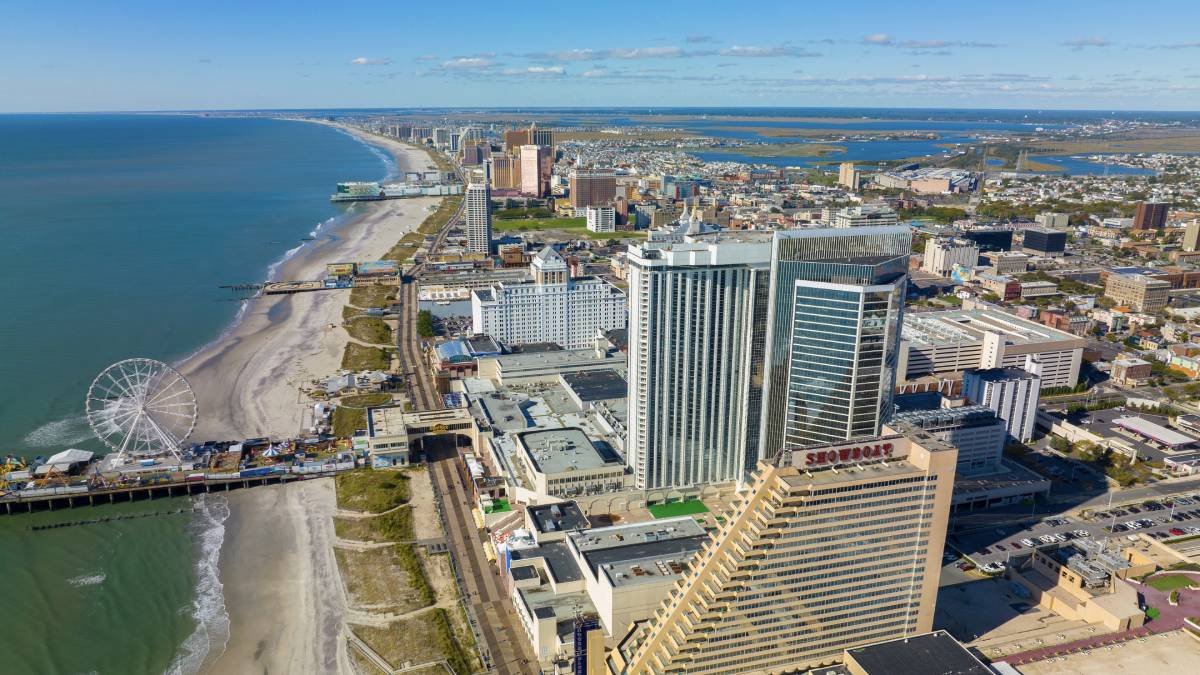
Right now, there are 9 casinos in Atlantic City.
But this time around, there's a new twist to the old argument. It comes in the form of downstate casinos in New York.

Why Are All New Jersey Casinos in Atlantic City?
Since New Jersey legalized casino gambling in 1976, all gaming operations have been restricted to Atlantic City.
This decision was made through a constitutional amendment aimed at using casino revenue to revitalize the city's economy. To shift this exclusivity, a new constitutional amendment would be required, necessitating approval by the state Legislature followed by a statewide voter referendum.
In 2016, a similar proposal to expand casino gambling to two additional counties was decisively rejected by voters, with approximately 77-80% voting against it. Many feared such an expansion would undermine Atlantic City's casino market rather than generate new growth.
What Current Proposals Could Change New Jersey Casino Law?
State Senators Vin Gopal and Paul Sarlo have introduced legislation that could place another constitutional amendment on the ballot as early as November 2026.
This amendment would allow for full casino gambling at locations like the Meadowlands and Monmouth Park.
Supporters argue that this move is crucial to maintaining New Jersey's competitive edge against upcoming casino developments in New York City, including those planned in the Bronx and Queens.
New York City Downstate Casinos Opening Timelines:
- Resorts World NYC: First phase (full casino with table games) targeted for spring/March 2026 (potentially as early as end of March or shortly after). This makes it the first operational full casino in NYC. Full build-out extends to around 2030–2031.
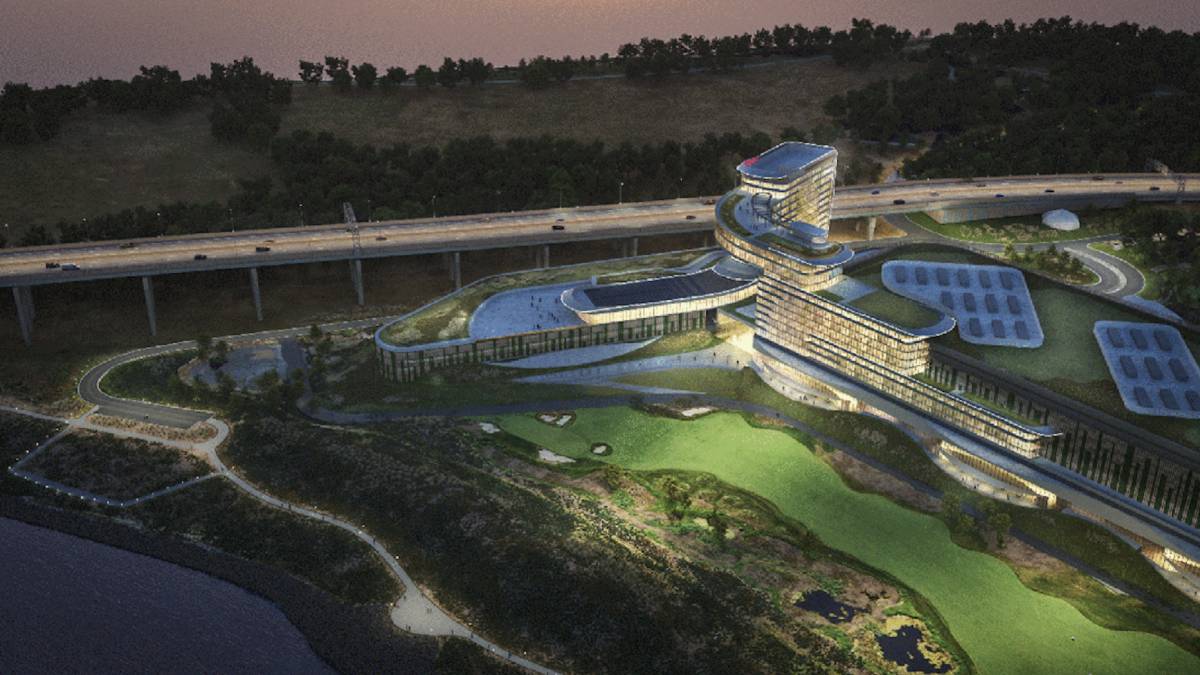
- Metropolitan Park (Hard Rock) and Bally’s Bronx:Both slated for around 2030 (full openings in mid-2030 or June 2030 range). Construction is expected to ramp up in 2026. Metropolitan Park will be built around Citi Field and Bally's Bronx will be at the site of the Ferry Point golf course.
There's also a push from New Jersey's online casinos as well.
Proposed revenue-sharing strategies have been discussed, potentially benefiting Atlantic City, horse racing, or state pensions, though no firm commitments have been made.
While New Jersey Governor Mikie Sherrill has acknowledged the discussions, her administration has yet to take a definitive stance. Atlantic City has faced various economic challenges since the mid-2000s, but recent recovery efforts and investments have shown promise, complicating the debate on expansion.
Why is South Jersey Opposed to Casinos?
In a show of united opposition, South Jersey political figures, business leaders, and Atlantic City stakeholders argue that new casinos outside their region would "cannibalize" Atlantic City's market. They emphasize that rather than expanding casinos northward, efforts should focus on enhancing Atlantic City's infrastructure, tourism appeal, and non-gaming attractions.
A bipartisan letter from three U.S. Representatives and 34 state lawmakers has been sent to Governor Sherrill and legislative leaders, urging them to oppose the expansion. Notable signatories include Assembly Majority Leader Louis Greenwald, along with key figures from districts encompassing Atlantic City.
Michael Suleiman, Atlantic County Democratic Committee chairman, has launched the "No North Jersey Casinos" campaign, emphasizing the existential threat posed by New York City's casino expansion.

What Happens Next With New Jersey Casinos?
The current debate is not just a state issue but part of a larger regional trend.
With New York advancing its casino-style gambling, particularly in the New York City metropolitan area, North Jersey interests see an economic opportunity. At the same time, South Jersey perceives a threat to Atlantic City's economic stability and job market.
In 2016, public opinion was heavily against casino expansion, but external pressures like New York's burgeoning gaming market could shift sentiments.
This classic North vs. South Jersey rivalry underscores how modern gaming competition is shaping regional economic strategies. South Jersey is moving swiftly to curtail momentum for the proposed amendment, highlighting the contentious and evolving nature of New Jersey's gaming landscape.


