


Everything is bigger in Texas, especially the talk about putting casinos there. But we may be starting to see a little less talk and a lot more action.
Texas casinos do not exist yet because the Lone Star State has some of the strictest gambling laws in the country.
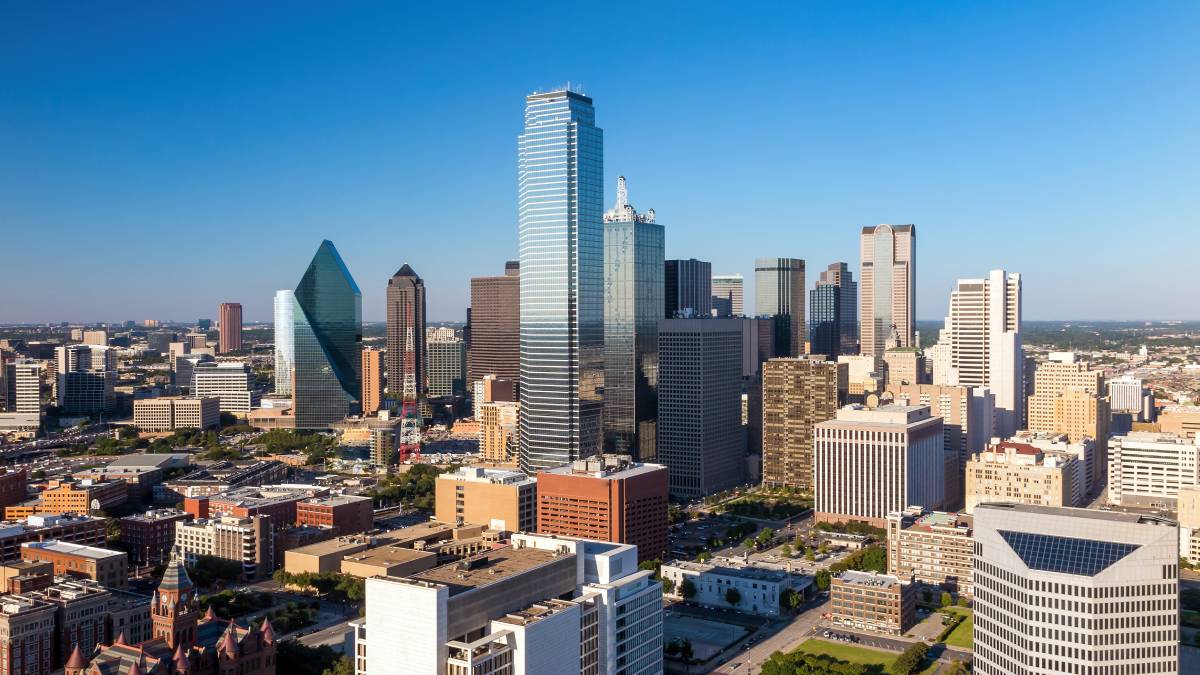
But one of the world’s biggest gaming companies is acting like they’re already on the way. Las Vegas Sands Corp. (LVS), the global resort operator behind properties like Marina Bay Sands in Singapore and The Venetian Macao, has been hiring dozens of technology workers in the Dallas–Fort Worth area.
This move has raised a big question: Why is a casino company investing so heavily in a state where casino gambling is still illegal?
The answer points to a long‑term strategy, major political spending, and a bet that Texas could eventually open the door to destination‑style casinos.

A Tech Hiring Surge in North Texas
Over the past several weeks, Sands has posted 9–13 new tech jobs in the Dallas area, including Plano. These roles focus on:
- Casino management systems — designing platforms “from inception to launch”
- Software architecture and full‑stack development
- Data engineering and analytics
- Site reliability engineering
- IT support for enterprise‑level systems
We've seen moves like this before. Last year, the Irving Zoning Commission approved a plan for the development of a casino resort. But that plan eventually changed.
Sands has also opened a North Texas software development office, citing the region’s strong tech talent, universities, and infrastructure. A company spokesperson said the office supports global software needs—not just gaming operations.
Still, the timing is hard to ignore. Texas casinos may not be legal today, but Sands is clearly preparing for a future where they could be.
Who Owns Las Vegas Sands?
Sands no longer owns Las Vegas properties. Instead, it focuses on:
- Macau — The Venetian Macao, The Londoner, and other large resorts
- Singapore — Marina Bay Sands, one of the most profitable casinos in the world
These properties have seen a strong financial recovery, giving Sands the resources to invest heavily in Texas.
Why Sands Is Targeting Texas
The company has spent millions of dollars on lobbying, political action committees, and advertising to push for legalized casino resorts. Their strategy includes:
- Supporting pro‑gaming candidates
- Funding PACs like the Texas Sands PAC
- Buying land near the former Texas Stadium site in Irving
- Building a tech presence in Dallas–Fort Worth
- Holding family ties to the Dallas Mavericks ownership group
This is not a short‑term play. Sands is positioning itself to build large integrated resorts—the kind that include hotels, restaurants, entertainment, and casino floors—if Texas ever allows them.

The Legal Roadblock: Texas Casinos Are Still Illegal
Texas has some of the strictest gambling laws in the country. To legalize casino resorts, lawmakers must:
- Pass a constitutional amendment with:
- 100 votes in the House
- 21 votes in the Senate
- Win approval from Texas voters on a statewide ballot
Right now, only limited forms of gambling are legal:
- The state lottery
- Charitable bingo
- A few tribal casinos with restrictions
Expanded casino gaming and most sports betting remain prohibited. Texas needs to change its state constitution for it to happen. This makes it much harder to expand gambling in the Lone Star State, even though there have been many attempts.

Recent Legislative Efforts (2023–2025)
Several bills tried to move Texas casinos forward:
- 2023: A casino amendment got 92 House votes—close, but not enough.
- 2025: Bills like HJR 137 and SJR 16 proposed 7–10 destination resorts and sports betting. They stalled without Senate support.
The biggest barrier has been opposition from:
- Lt. Gov. Dan Patrick
- Many conservative lawmakers
- Anti‑gambling Republican groups
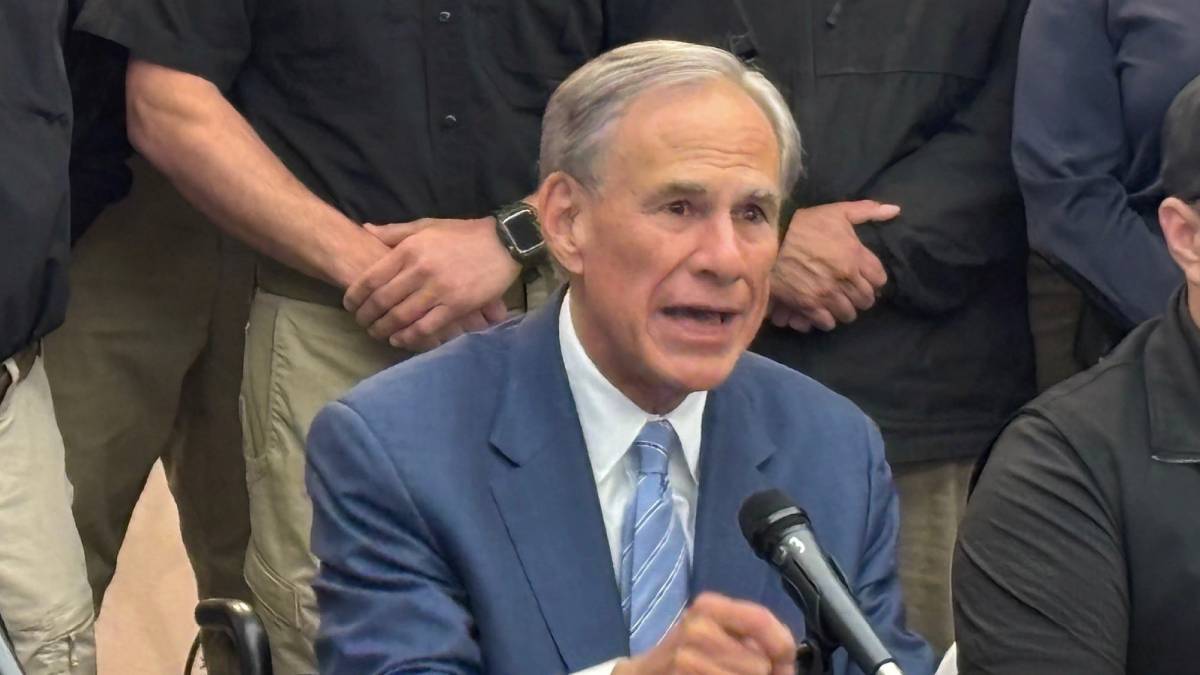
Governor Greg Abbott has said he’s “not there yet” on casinos.
Public polling shows 55–73% of Texans support casino resorts and sports betting, but Republican voters are more divided.
Where Things Stand Today (Mid‑2026)
Texas casinos are still not legal, and the next major chance for change will come in the 2027 legislative session. Sands and other supporters plan to keep pushing, but the political math remains tough.
Meanwhile:
- Sands continues hiring in North Texas
- Lobbying efforts remain strong
- Land purchases and planning continue
- Tribal casinos and the lottery remain the only legal options
In other words, the company is preparing for the long game.
Las Vegas Sands’ hiring wave in Dallas isn’t random—it’s a strategic move. The company is building the technology and talent it needs before Texas casinos become legal. If lawmakers eventually approve destination resorts, Sands wants to be first in line.
Until then, the debate continues, the lobbying grows, and Texans wait to see whether the state will finally join the rest of the country in allowing full‑scale casino gaming.


