


They say, “Everything is bigger in Texas.” And the November 2026 midterm elections brought big political changes.
Texas voters changed the state’s leadership. Now, the gambling industry is watching to see whether those results will also reshape the future of sports betting and casinos.
Vikki Goodwin defeated longtime Lt. Gov. Dan Patrick, while Gina Hinojosa defeated Gov. Greg Abbott. Those victories could give gambling proposals a better chance of moving through the Legislature, especially in the Texas Senate. But a better chance of passing legislation is not the same as legalization.
For anyone asking, “Is gambling legal in Texas?” the answer remains: most gambling is prohibited, with several specific exceptions. The election changed who will lead the debate—not what Texans can legally bet on today.
Is Gambling Legal in Texas Right Now?
Texas generally prohibits gambling. State law includes exceptions for activities such as the state lottery, qualifying charitable bingo and raffles, and certain regulated animal racing. Each exception comes with its own rules and limits.
But gambling in Texas remains one of the most debated issues in the U.S. gaming industry.
Online sports betting remains illegal in Texas. The state also has not approved the broad commercial casino expansion that gambling companies and some lawmakers have sought.
That distinction matters. A candidate’s support for gambling does not authorize sportsbooks to accept bets or allow developers to open commercial casino resorts. Those changes require additional legal steps.

Why Dan Patrick’s Defeat Matters for Texas Gambling
The lieutenant governor plays a powerful role in the Texas Senate. Under Patrick, that office became a major obstacle to proposals involving sports betting and casinos. His departure could give those measures a path to Senate consideration that they lacked for years.
The 2023 session shows why Senate leadership matters.
That year, the Texas House approved a proposed constitutional amendment on sports betting by a 101–42 vote. The measure cleared the House’s required threshold but did not advance through the Senate. A separate casino proposal fell short of the votes it needed in the House.
In other words, support in one chamber was not enough. Gambling supporters needed both chambers to act, and the Senate remained a roadblock.
Citizens gaming analyst Jordan Bender described Patrick’s defeat as the “most shocking outcome of the night,” according to industry reporting. His reaction reflected the importance of Senate leadership to the industry’s prospects—not a prediction that legalization was now certain.
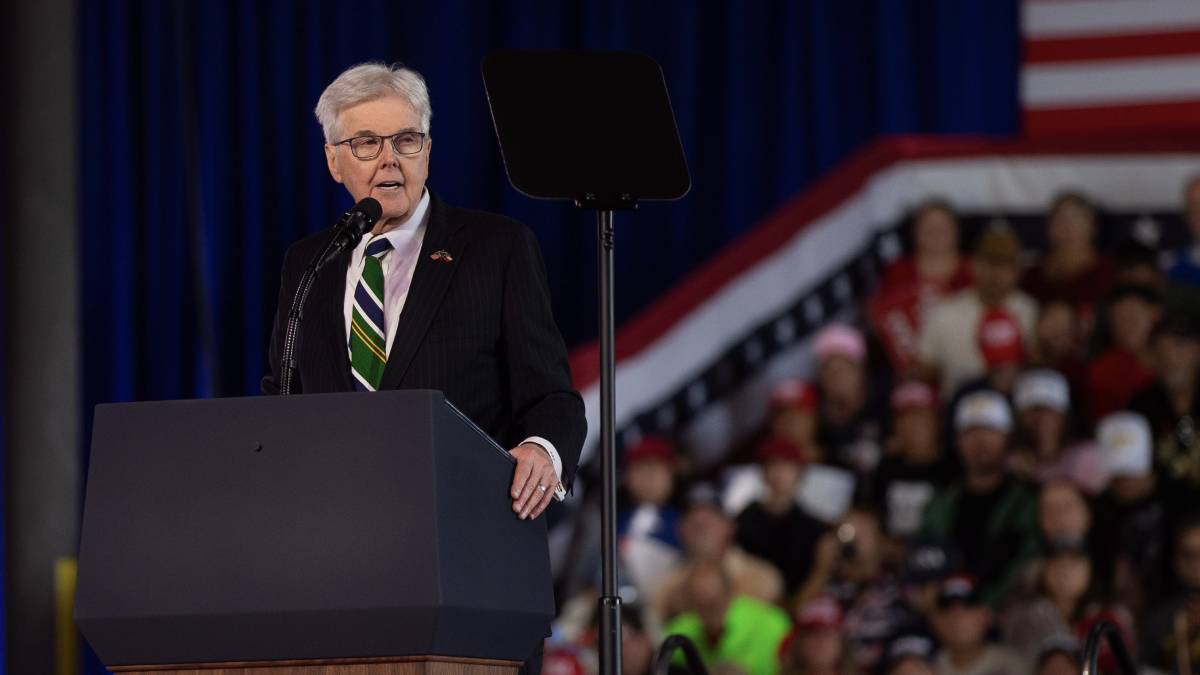
What Vikki Goodwin Could Change
Goodwin has supported allowing Texans to vote on casinos and sports betting. That position creates an opening for proposals that struggled under Patrick.
Her victory could shift the debate from whether a proposal receives consideration to whether supporters can assemble enough votes to pass it.
Still, allowing debate is only the first step. Goodwin cannot legalize sports betting by herself, and support for a public vote does not mean lawmakers agree on every detail. They would still need to settle questions about which forms of gambling to allow and how the state would regulate them.
The practical change is an improved opportunity to make the case—not an automatic win for gambling companies.
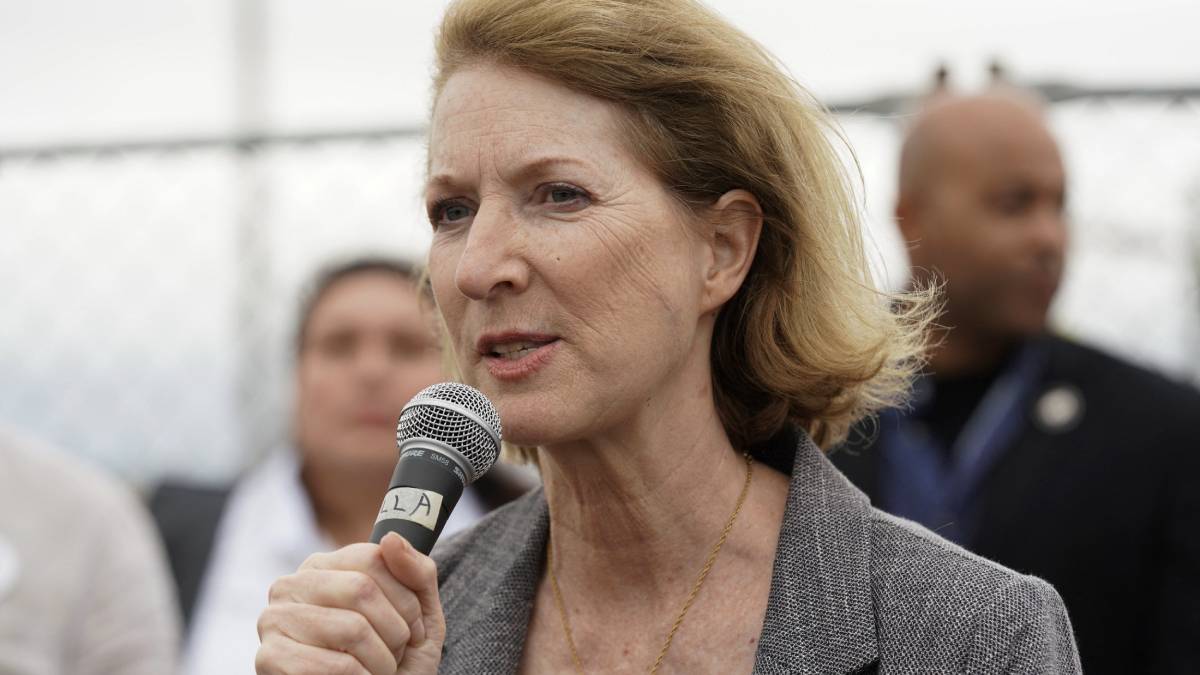
Where Gina Hinojosa Stands
Hinojosa’s victory adds a different kind of uncertainty.
As a state representative, she voted against the 2023 sports betting constitutional amendment. That record makes it difficult to describe the incoming administration as uniformly supportive of gambling expansion.
There is also an important difference between a constitutional amendment and an ordinary bill.
Texas’s amendment process requires legislative approval and a public vote. It does not give the governor the same approval-or-veto role that applies to ordinary legislation. However, separate bills establishing gambling licenses, taxes, oversight, and enforcement would generally go through the governor’s office.
That means Hinojosa’s position could still shape how an expanded gambling market would work, even if lawmakers and voters approved a constitutional change.

What Must Happen Before Texas Expands Gambling?
The proposals discussed for legal sports betting and commercial casinos require a constitutional amendment. That creates a higher hurdle than passing an ordinary bill.
The main steps are:
- The Texas House must approve the proposed amendment with at least 100 votes out of its 150 members.
- The Texas Senate must approve it with at least 21 votes out of its 31 members.
- A majority of voters voting on the amendment must approve it in a statewide election.
Those requirements explain why a leadership change matters without settling the outcome. Supporters still need a broad coalition in the Legislature and a successful statewide campaign.
Passing an amendment also would not necessarily mean immediate access to betting. The launch of any newly authorized market would depend on the amendment’s terms and the laws and regulations used to put it into effect.

Could the 2027 Session Bring a Breakthrough?
The 2027 legislative session gives gambling supporters another opportunity to pursue a statewide vote. Industry coverage describes Goodwin’s victory as improving that opportunity because it removes a longtime opponent from Senate leadership.
However, several hurdles remain:
- Supporters must reach two-thirds approval in both chambers.
- Lawmakers must agree on what a proposal would authorize.
- Voters must approve the constitutional change.
- Any resulting industry would need a workable legal and regulatory framework.
A referendum date is not guaranteed. The Texas Constitution allows the Legislature to specify the election date for a proposed amendment, so readers should not treat 2028—or any other year—as a settled deadline before lawmakers act.
What Texans Should Watch Next
The most useful signs of progress will be legislative actions, not predictions.
Watch for the filing of sports betting or casino proposals, Senate committee hearings, and evidence that supporters are approaching the required vote totals. Those developments will show whether the new political opening is producing actual movement toward a public vote.
For now, Texas gambling law remains restrictive. Goodwin’s election may make expansion easier to debate, while Hinojosa’s record and the constitutional voting requirements keep the outcome uncertain.
Texans looking for legal betting options should distinguish between what lawmakers may authorize in the future and what state law allows today.


