


Maricopa County has taken a major step to stay ahead of a fast-changing trend in online betting and forecasting. The Arizona county's Board of Supervisors approved a new ethics policy that directly addresses prediction markets and how government employees can interact with them.
The rule is simple but important. County employees are now prohibited from using non-public government information to make money on prediction markets. This decision was unanimous and affects an estimated 10,000 to 13,000 workers under the Board’s authority.
Minnesota banned prediction markets outright last May. It happened after a lawmaker in The Land of 10,000 Lakes was caught betting on his own race.
A recent survey highlighted the concerns people have in relation to prediction markets and how they work. They even caused a bit of a controversy with actor Timothée Chalamet during the NBA playoffs.
Although this new policy in The Grand Canyon State is not as strict as Minnesota's, it is still considered by many to be an eye-opening move.

What Changed in Maricopa County
The new Maricopa County policy focuses on preventing unfair advantages. Employees often have early access to sensitive information tied to elections, court cases, public safety, and emergency responses. Using that knowledge to place bets or trades on prediction platforms would create a serious conflict of interest.
Under the new rule:
- Employees cannot use insider or confidential information for personal profit in prediction markets.
- Violations can lead to disciplinary action, including job termination.
- Serious cases may be referred to law enforcement.
County leaders made it clear that this is not a reaction to wrongdoing. Instead, it is a proactive move designed to protect public trust before any issues arise.
How Do Prediction Markets Work?
To understand why this matters, it helps to answer a key question: How do prediction markets work?
Prediction markets are platforms where users trade on the outcome of future events. These events can include elections, economic data, sports results, or even weather patterns.
Here is a simple example:
If a prediction market asks, “Will a candidate win an election?” users can buy shares that say “Yes” or “No.” The price of each share reflects what the market believes will happen. If “Yes” shares are trading at 70 cents, the market is suggesting a 70% chance of that outcome.
If the prediction is correct, those shares pay out at full value, usually $1. If not, they become worthless.
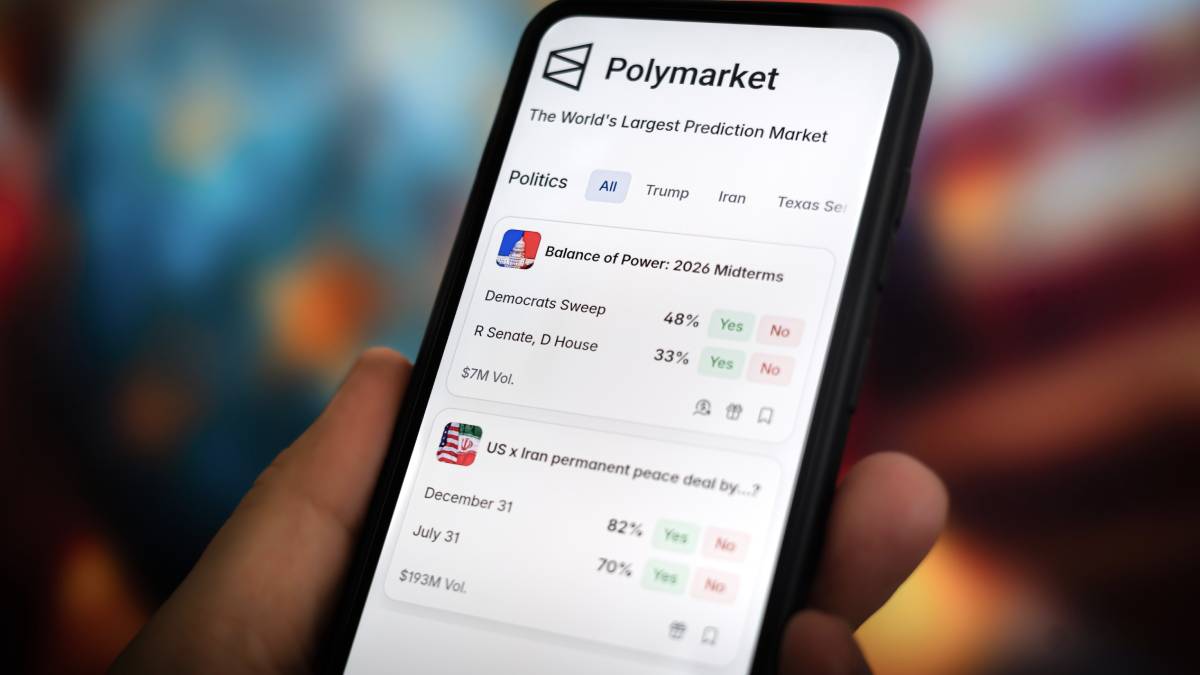
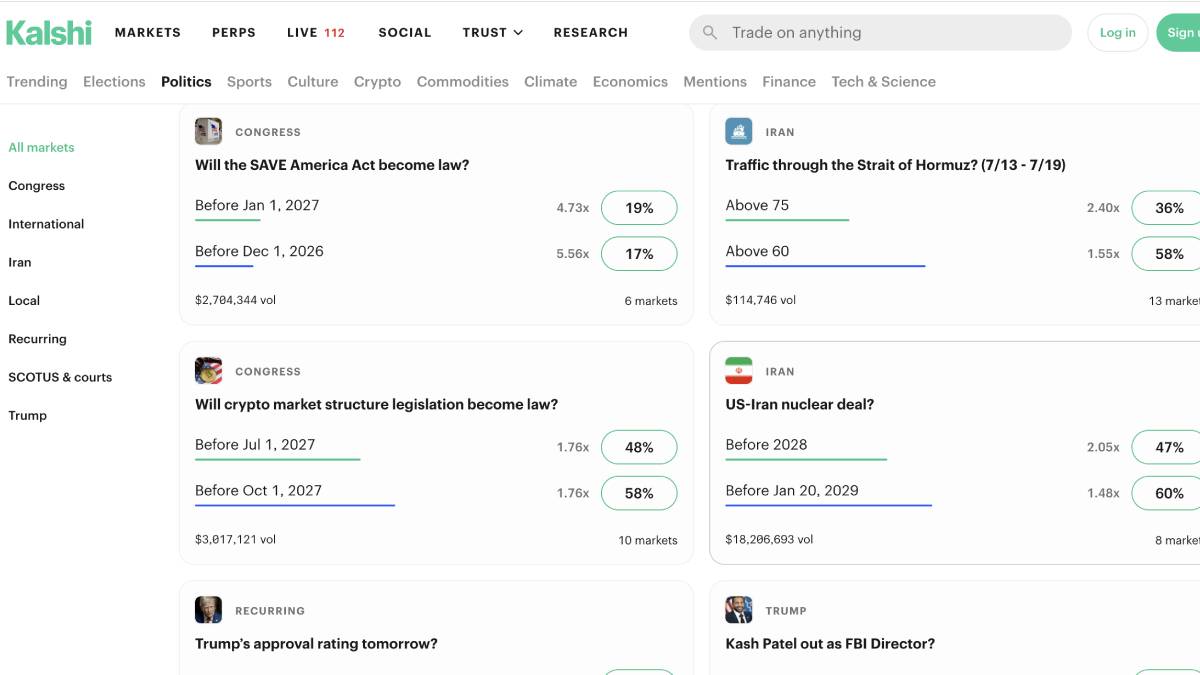
Platforms like Polymarket and Kalshi have helped drive the rapid growth of these markets in recent years. As more people participate, concerns about fairness and insider information have increased.
Why Maricopa County Took Action
Maricopa County plays a critical role in Arizona, especially when it comes to elections. As the most populous county in the state, it handles large volumes of sensitive data and decision-making.
Supervisor Thomas Galvin, who supported the policy, emphasized the importance of avoiding even the appearance of misconduct. For example, if an election worker had early insight into vote counts and placed a prediction market trade, it could damage public confidence—even if no laws were broken.
The policy also covers other scenarios, such as:
- Early knowledge of court rulings
- Inside information on emergency responses
- Advance notice of major government actions
By addressing these risks now, Maricopa County aims to maintain transparency and credibility.
How It Compares to Federal Rules
The Maricopa County policy aligns closely with existing federal ethics standards but takes a more direct approach.
Federal regulations already prohibit government employees from using non-public information for financial gain. These rules are part of broader ethics laws and include frameworks like:
- Standards of Ethical Conduct for Executive Branch employees
- The STOCK Act, which targets insider trading
- Commodity trading rules enforced by the CFTC
However, most federal laws do not specifically name prediction markets. Instead, they apply general principles to a wide range of financial activities.
Maricopa County stands out because it clearly identifies prediction markets as a risk area. This makes the rule easier to understand and enforce at the local level.
A Growing Trend Across Government
This move is part of a larger trend. Just one week earlier, Arizona Governor Katie Hobbs signed an executive order that placed similar restrictions on state employees.
At the federal level, lawmakers are also exploring stricter rules. Some proposals aim to ban certain officials from participating in prediction markets altogether, not just from using insider information. In France, someone manipulated temperature readings to win two big sums of money.
The Prediction Markets Are Gambling Act was introduced several months ago, while tribal gaming operators are in their own battle to try to slow the prediction markets craze down. In addition to limiting government employees other states, like New Jersey, are pushing for high taxes on prediction market apps.
Experts say this is a natural response to the rapid growth of these platforms. As prediction markets become more popular, governments are working to close gaps that could lead to misuse.
Prediction Markets Creating Ethical Challenges
The rise of prediction markets has created new opportunities, but also new ethical challenges. When public employees have access to valuable information, even the possibility of misuse can raise concerns.
Maricopa County’s decision shows how local governments can adapt to new technology while protecting public trust. By setting clear boundaries now, the county is helping ensure that its employees remain focused on serving the public—not profiting from inside knowledge.
As prediction markets continue to evolve, more states and counties are likely to follow this example.


