


The Indian Gaming Association (IGA), which represents tribal governments operating casinos and gaming facilities across the U.S., opened its 2026 annual tradeshow and convention (held in San Diego) with a strong focus on opposing sports-related prediction markets.
Tribal leaders described these markets as an existential threat to the regulated tribal gaming industry, which generates tens of billions in annual revenue and funds essential tribal government services, jobs, and community programs.
They're also planning to fight back.

What Are Prediction Markets in This Context?
Prediction markets, like Kalshi, Polymarket, and those offered by sports betting companies such as DraftKings and FanDuel, let people buy and sell contracts based on what they think will happen in real-world events.
These events can include sports games, elections, and entertainment awards, among others. Supporters say these markets are financial instruments called "event contracts," which are regulated by the federal Commodity Futures Trading Commission (CFTC) under the Commodity Exchange Act. They argue these are not the same as regular gambling.
However, critics claim that these prediction markets are very similar to sports betting. In these markets, people are betting on who will win a game, by how much, and on player performance, but with less strict oversight. Many do not require state or tribal licenses, and they are available online across the whole country, avoiding local restrictions.
These platforms have grown quickly since the CFTC started allowing a wider range of event contracts in recent years, with billions of dollars being traded.

Tribal Concerns Over Prediction Market Platforms
Tribes see prediction markets as a threat to their control and income:
- Under the Indian Gaming Regulatory Act (IGRA) of 1988, tribes have the right to run Class III gaming, such as casino games and sports betting, on their lands in states where it is allowed. These activities are usually part of agreements called tribal-state compacts. These compacts often include sharing revenue with the state, strict licensing rules, age limits (usually 21 and over), consumer protections, and safeguards to help with problem gambling. In many cases, they also give tribes exclusive rights to offer these games.
- The tribes believe that prediction markets seem to bypass all of these rules. That they don't need any compacts, can be accessed anywhere (even near reservations), might have lower taxes and fees, and have fewer restrictions. Tribal leaders are concerned about this because it takes away customers and money from their casinos and sportsbooks. For many tribes, these gaming operations have been crucial for their economic growth since the IGRA was passed.
- There are particular concerns about losing tax revenue for both tribes and states, an increase in gambling problems without enough protections, risks like insider trading, especially in sports, and the chance that prediction markets could start offering other types of casino games like slots and table games in the future.
- Leaders from organizations like the California Nations Indian Gaming Association and the Oklahoma Indian Gaming Association have described this situation as a major threat in recent times. Some have already noticed an impact on their revenue.
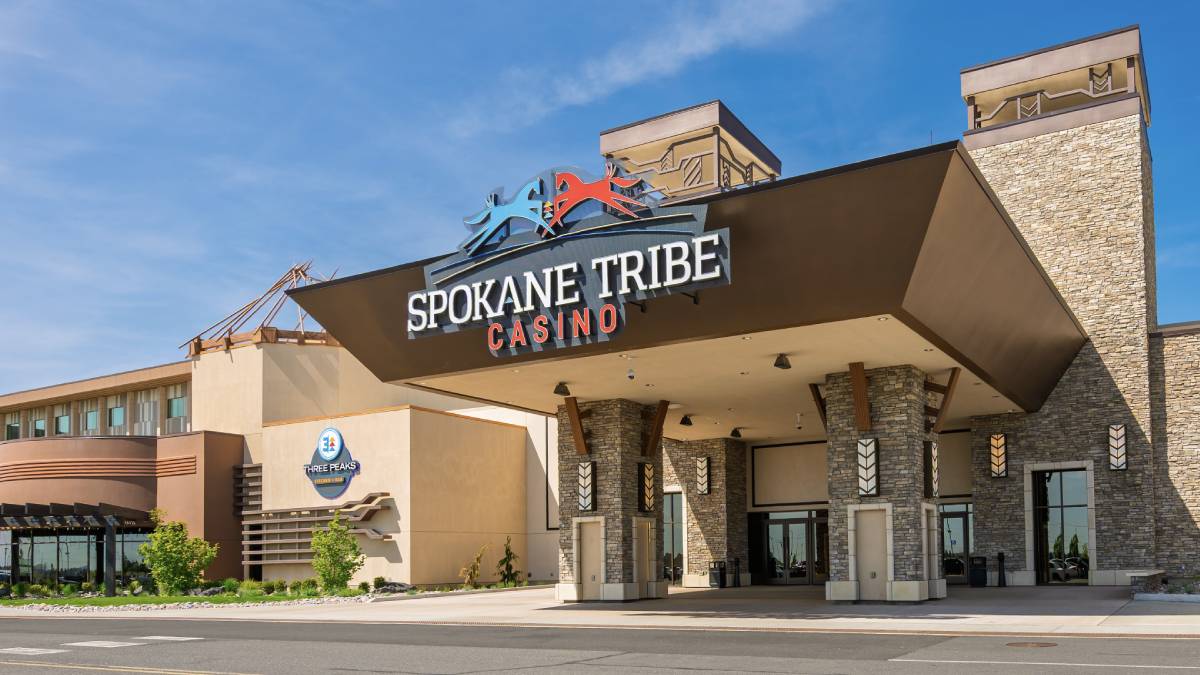
Planned Lawsuit and Broader Actions
Court Cases: The IGA plans to file or support written statements (amicus briefs) in ongoing federal court cases. There are multiple lawsuits involving companies like Kalshi and different states and tribes, with mixed results so far. Some courts have agreed that the CFTC has the right to overrule state gaming laws, while others have favored state laws.
Lawsuits by Tribes: Some tribes, like those in California, are directly suing companies like Kalshi and Robinhood for operating unauthorized gaming on tribal lands.
Lobbying Congress: The IGA is pushing Congress to make it clear that sports event contracts should be considered gambling, not commodities. A bipartisan bill called the "Prediction Markets Are Gambling Act" has been introduced to ban sports and casino-style contracts on CFTC platforms, which the IGA supports.
Collaboration: The IGA is working with groups like the American Gaming Association, which represents commercial casinos, and states that are fighting back with legal measures or laws.
This effort isn't new—tribal groups have been voicing their concerns since at least early 2025. They’ve filed comments against CFTC rules and teamed up with states.
Some courts have blocked or limited these platforms in places like Nevada, but others have allowed them to operate. The legal fight is still ongoing and could eventually reach higher courts, including the possibility of involvement by the Supreme Court if different courts continue to disagree.

What Happens Next?
Tribal gaming is a big industry in the U.S., making about $40–50+ billion a year even before sports betting became popular. It was built on the tribes' hard-fought independence after many years of federal rule.
After a 2018 Supreme Court decision (Murphy v. NCAA) got rid of a law called PASPA, many tribes started offering sports betting through agreements called compacts. This brought in new income but also meant more competition with other commercial companies.
Prediction markets are now seen by tribes as a threat because they add a federal layer that might weaken the system of compacts. The current leadership of the CFTC tends to support more of these event contracts, viewing them as new and innovative markets rather than traditional gambling. Platforms claim they offer ways to manage risk and gather information, saying they’re not really "betting" like people usually think.
This disagreement underscores tensions between federal rules about commodities, state and tribal control over gaming, and new types of financial and gambling mixes. It also leads to unusual partnerships: tribes and commercial casinos, which usually compete with each other, are working together against what they see as unregulated interference.
This situation is still changing, with tribes seeing it as a fight to protect their independence and their ability to manage their own economic futures.


