


There's an old saying that goes: "A racehorse is the only animal that can take several thousand people for a ride at the same time." It can also take millions of dollars along for the ride.
New York’s gambling industry is facing a major dispute over who should pay to support the state’s horse racing sector. At the center of the issue is Resorts World New York City (RWNYC), a newly expanded casino in Queens, and how much it must contribute to racing subsidies.
A temporary law passed on Friday keeps money flowing to racetracks—but it does not settle the bigger disagreement.

Background: Why Casinos Fund Horse Racing
For years, New York has required gambling operators to help fund horse racing. These payments support the New York Racing Association (NYRA), which runs major tracks like Belmont Park, Saratoga, and Aqueduct.
When New York approved new full-scale casinos in the downstate region, lawmakers kept this rule in place. Casinos are expected to contribute roughly $150 million per year (adjusted over time) to support racing.
The Dispute: Who Pays and How?
The conflict comes down to how these payments are calculated.
Resort World New York City’s position is that its high tax rates—56% on slot machines and 30% on table games—already include the required racing support. The casino has been subtracting those payments from what it owes in taxes and sending the rest to the state.
On the other side, the New York State Gaming Commission argues that racing support payments must be made on top of those taxes, not included within them.
This disagreement creates a huge financial gap. If regulators are correct, RWNYC could owe an additional $150 million per year until other casinos open, likely around 2030.

The Temporary Fix
To avoid immediate disruption, New York lawmakers passed a one-year measure that:
- Requires casinos to send tax payments to the Gaming Commission
- Allows the Commission to distribute funds to NYRA
- Ensures horse racing continues to receive funding
However, the law does not resolve the core issue of whether the payments are included in taxes or must be added on top.
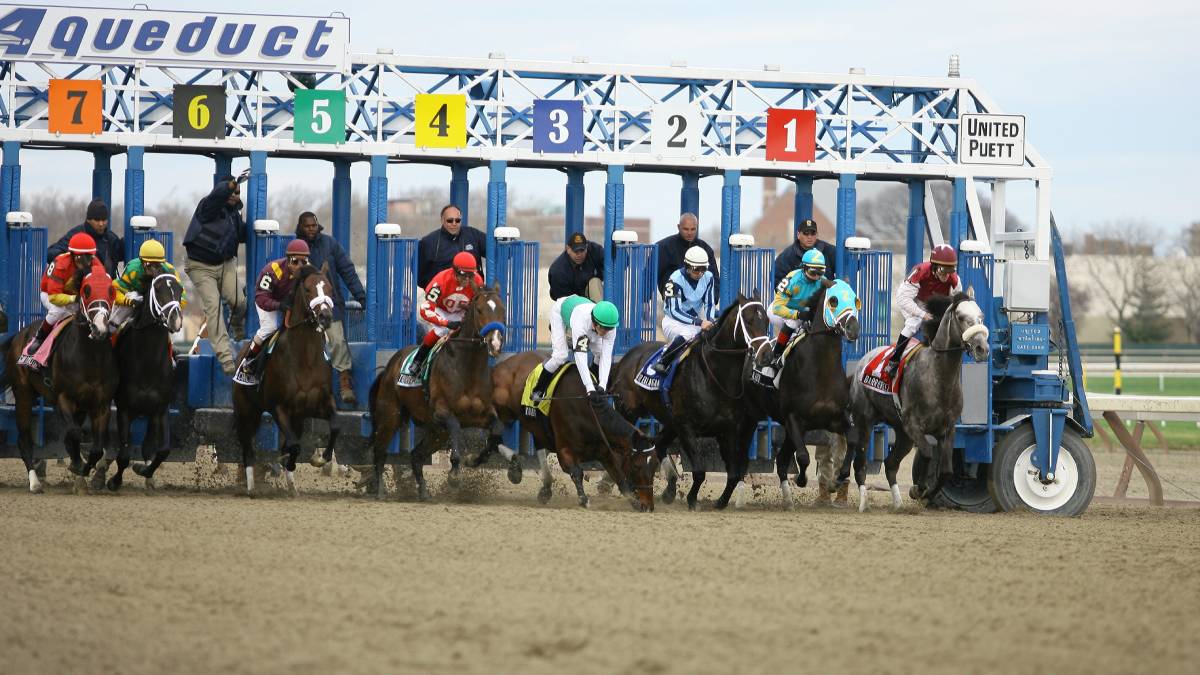
NYRA operates Belmont Park, Saratoga Race Course, and Aqueduct, which is scheduled to shut down June 28.
Both sides have accepted the temporary solution. RWNYC says it supports its interpretation, while state officials emphasize stability for the racing industry.

Why This Matters
This dispute affects several key groups:
- Horse racing industry: The temporary law guarantees funding for now, helping tracks stay operational. Without it, NYRA could face serious financial problems.
- Resorts World NYC: The casino avoids immediate financial strain and uncertainty while it continues to grow its operations.
- New York taxpayers: The outcome could influence how billions in gambling revenue are distributed, including funding for education and public transit.
There is also a larger debate about whether horse racing should continue to rely on casino subsidies at all.
What Happens Next?
The law expires in one year, meaning the issue is far from settled. Lawmakers, regulators, and casino operators will need to agree on a long-term solution.
Possible outcomes include:
- A negotiated agreement on how payments are calculated
- Changes to casino tax structures
- Legal action to clarify the original licensing terms
Until then, the situation remains a classic example of a political compromise—protecting a long-standing industry while delaying a difficult financial decision.


